
Splendid
Isolation
Big Bend National Park is located in southwestern Texas. This remote national park is one of the most popular places for outdoor recreation in the Lone Star State.
Home to many distinct ecosystems, exploring this park will inspire each visitor to learn more about its diversity. It’s also home to more bird species than any other national park in America.
In addition to outdoor activities, you can also learn about geologic history by learning about fossils. The park is also teeming with wildlife you wouldn’t find in big cities like Dallas and Houston.
For an adventure unlike any other, we strongly recommend a trip to Big Bend.
This post may contain affiliate links. If you make a purchase, I may earn a small commission at no additional cost to you. For more information, view my privacy policy.
Big Bend National Park Overview

Entrance Fee: $30 per vehicle, $25 per motorcycle, or $15 per person/cyclist (valid for 7 days)
Established: June 12, 1944
Location: Texas
Nearby Communities: Terlingua, Marathon, Alpine, Marfa
Park Size: 801,163.21 acres (3,242.19 km²)
Reservations: While reservations are not required to enter the park, they may be required for certain activities, such as camping.
Visitor Centers: Panther Junction serves as the main visitor center. Permits for backcountry access and rive use are given here. There are also visitor centers in Chisos Basin, the Catalon Historic District (open winters only), Persimmon Gap (open winters only), and Rio Grande Village (open winters only).
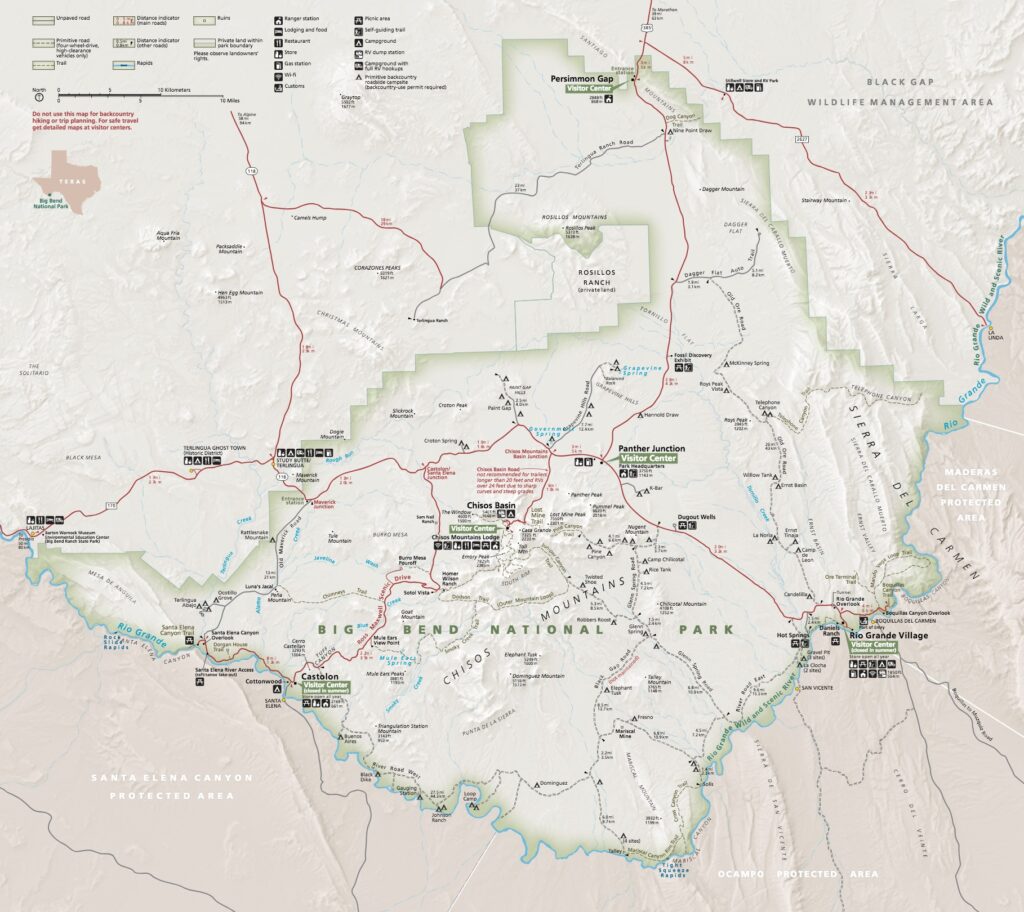
Big Bend National Park Map
Plan Your Trip to Big Bend National Park


Best Time to Visit Big Bend National Park
Winter: From November through April, crowds descend on Big Bend National Park. It’s especially busy during the holidays, including Thanksgiving and Christmas. That said, winters are mild and provide some of the best weather in the park.
Spring: This is a pleasant time to visit the park with comfortable temperatures. Spring break is a very busy time to visit the park.
Summer: Big Bend is known for hot summers, typically from May through September. By mid-morning, temperatures exceed 100 degrees Fahrenheit and can be as high as 110 degrees near the Rio Grande. Afternoon thunderstorms are common.
Fall: The autumn season is very brief as summer quickly turns to winter. Snow is rare, but freezing temperatures do occur. The months of October through January provide the coolest temperatures.

Big Bend National Park Weather

 79°F
79°F
How to Get to Big Bend National Park
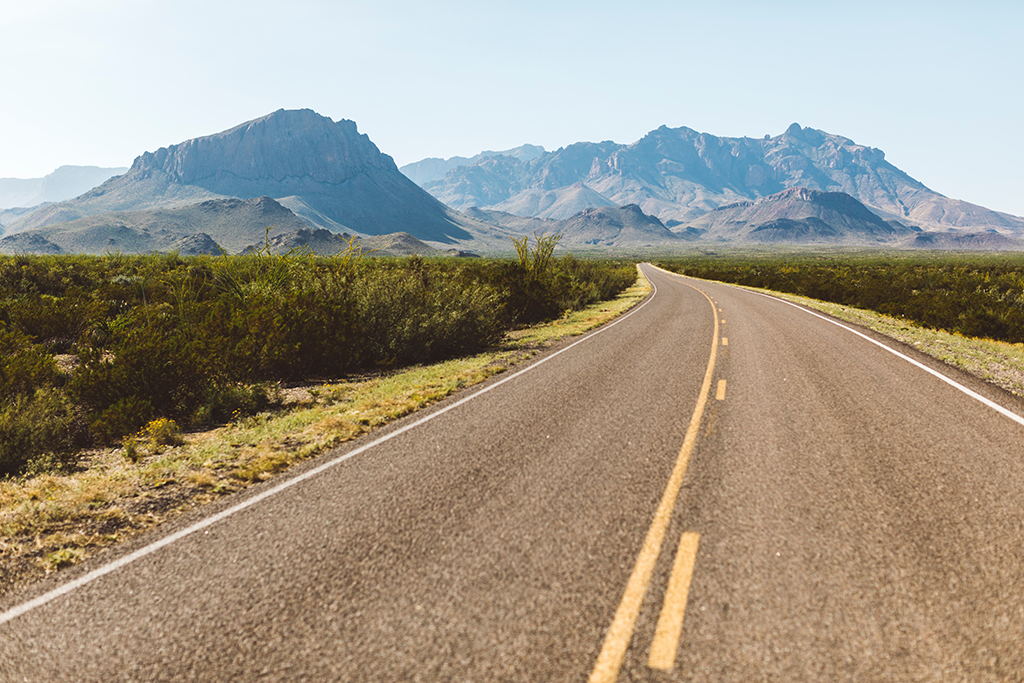

Big Bend National Park is a very remote park that isn’t easy to get to. Careful planning is essential as services are extremely limited. Make sure you have plenty of gas, food, and water before you visit.
The closest airports to Big Bend National Park are Midland International Air and Space Port (MAF) and El Paso International Airport (ELP).
You can also get to Alpine (72 miles from the park) via Amtrak or Greyhound bus.
There is no public transportation to the park. No matter which gateway city you arrive in, you will need to rent a vehicle.
The closest cities to Big Bend National Park are Midland (202 miles, 4 hours) and El Paso (292 miles, 4.5 hours). Large and small towns near the park include Marathon (42 miles, 40 minutes), Alpine (72 miles, 1 hour), Marfa (99 miles, 1.5 hours), and Fort Stockton (99 miles, 1.5 hours).
Highways leading to Big Bend National Park include TX 118 from Alpine to Study Butte, FM 170 from Presidio to Study Butte, and US 90 or US 385 to Marathon.
Where to Stay Near Big Bend National Park
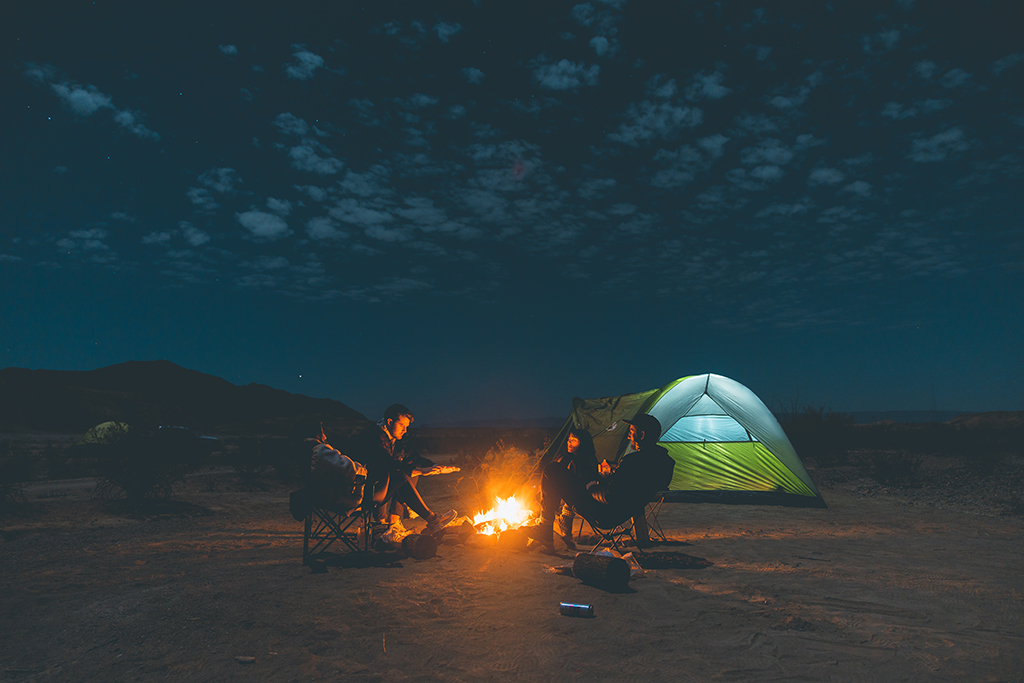
Camping in the Park: Chisos Basin Campground, Cottonwood Campground, Rio Grande Village Campground, Rio Grande Village RV Park, and backcountry camping
Camping Near the Park: BJ’s RV Park, Rancho Topanga Campground, Maverick Ranch RV Park, Roadrunner Travelers RV Park, Longhorn Ranch, Terlingua Ranch Resort, Eco Ranch Rustic Camping Area, Stillwell’s RV Park, Marathon Motel and Trailer Court, Big Bend Ranch State Park, Big Bend Resort and Adventures
Lodging in the Park: Chisos Mountain Lodge
Lodging Near the Park: Terlingua Ranch Resort, Lajitas Golf Resort, Hotel Saint George, Riata Inn, Holiday Inn Express, Hampton Inn
Unique Things to Do at Big Bend National Park
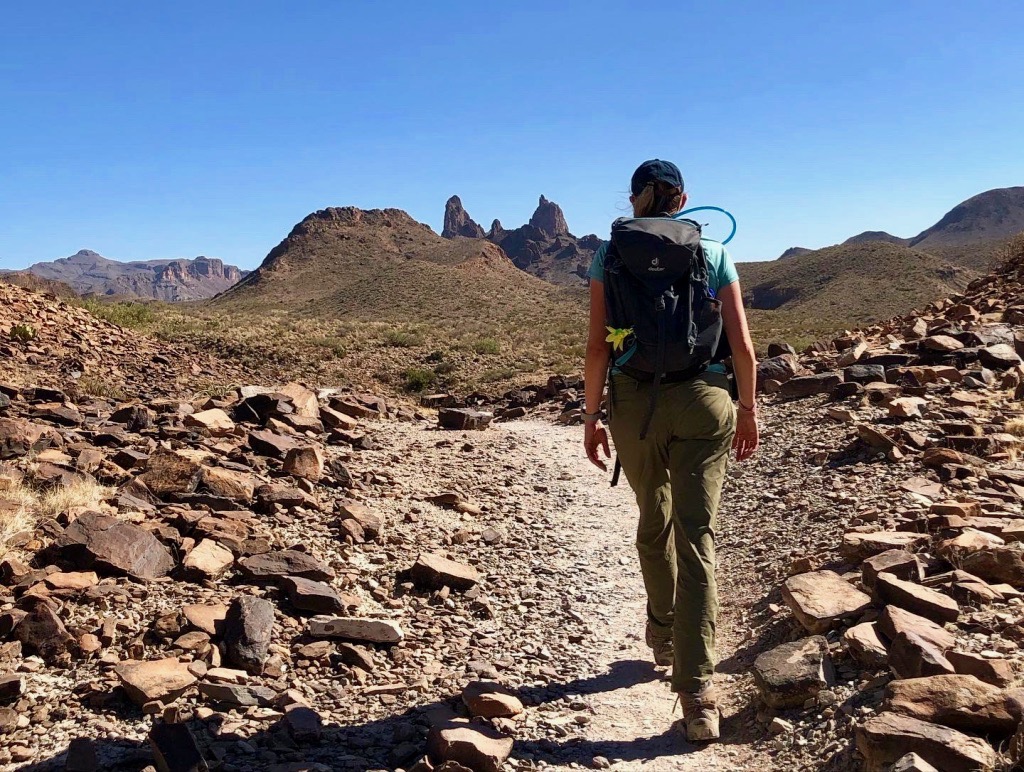
Since Big Bend National Park is along the Rio Grande, it’s easy to legally cross into Mexico. Visiting the quaint and colorful town of Boquillas is a favorite activity for many visitors.
Big Bend is home to some amazing wild animals, most notably birds. Some of the best birdwatching is near the Cottonwood Campground or the Rio Grande Village Nature Trail.
The Ross Maxwell Scenic Drive will give you a taste of the fantastic scenery the park has to offer.
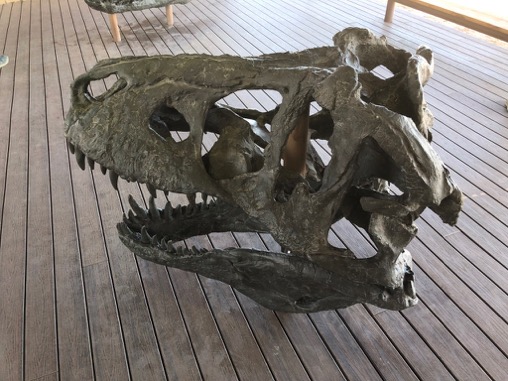
Big Bend National Park has a fascinating geologic history. Discover some of the creatures that once called the park home at the roadside Fossil Discovery Exhibit.
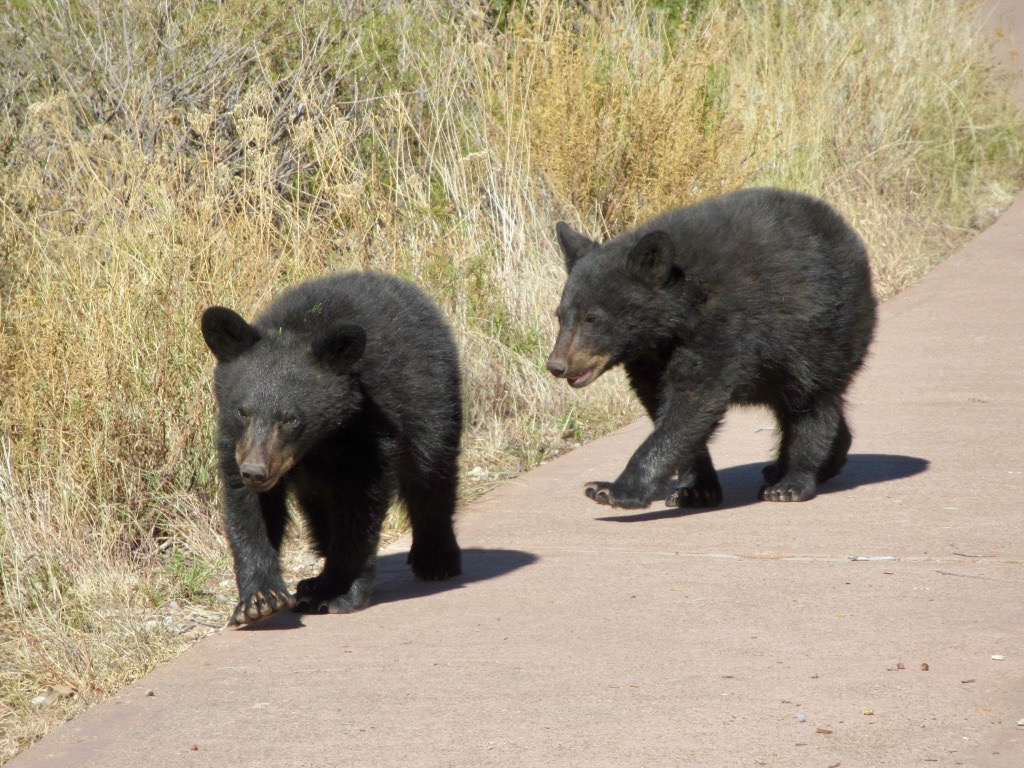
Visit the Chisos Mountains district to cool off on hot days, potentially see black bears, and hike some of the park’s popular trails.
Is Big Bend National Park Dog Friendly?
Bringing pets or dogs will limit your ability to explore Big Bend National Park to its fullest.
Generally, your pet can only go where cars can go. This means pets are not permitted on any trails, on the river, inside public buildings, or off roads. They also cannot enter Mexico via Boquillas.
When visiting with your pet, they are required to be on a leash no longer than 6 feet at all times. Owners must promptly dispose of all pet waste. Pets may not be left unattended at any time.
Service animals, however, may accompany their owners anywhere the park doesn’t have specific restrictions for your animal’s safety. NPS policy defines a service animal as a dog that has been individually trained to do work or perform tasks for the benefit of an individual with a disability, including a physical, sensory, psychiatric, intellectual, or other mental disability. The tasks performed by the animal must be directly related to the person’s disability.

Shop Big Bend National Park Products

Big Bend National Park Pennant

Fodor’s Guide to the 63 National Parks

Women’s National Parks Checklist T-Shirt

Women’s National Parks Checklist T-Shirt

Map of National Parks T-Shirt

Big Bend National Park Sticker

Big Bend National Park Patch

63 National Parks Water Bottle

Big Bend National Park Sticker

Big Bend National Park Hiking Guide
