Article Summary: Checklist of National Parks by Size
In total, the 63 United States national parks add up to over 50 million acres of preserved public land. Additionally, the entire national park system protects over 84 million acres of land! But how big is each park?
Below, you’ll find a complete list of the 63 national parks by size. We’ll start with the largest and work our way down to the smallest. Then, keep reading for some frequently asked questions and facts about the national parks.
This post may contain affiliate links. If you make a purchase, I may earn a small commission at no additional cost to you. For more information, view my privacy policy.
Table of Contents
All 63 National Parks by Size

Note: Some of our national parks also protect national preserve land. The listed sizes include both. For Redwood National Park, which includes a state park system, we’ve also included state land.
Park sizes were taken from this document and other official National Park Service sources.
Here’s a brief list of the 63 national parks from largest to smallest. For more information about each, we invite you to keep reading.
- Wrangell-St. Elias National Park & Preserve, Alaska: 13,175,799 acres (53,320.57 km²)
- Gates of the Arctic National Park & Preserve, Alaska: 8,472,506 acres (34,287.02 km²)
- Denali National Park & Preserve, Alaska: 6,075,030 acres (24,584.77 km²)
- Katmai National Park & Preserve, Alaska: 4,093,066.82 acres (16,564.1 km²)
- Lake Clark National Park & Preserve, Alaska: 4,030,130.17 acres (16,309.36 km²)
- Death Valley National Park, California: 3,408,395.63 acres (13,793.3 km²)
- Glacier Bay National Park & Preserve, Alaska: 3,284,500 acres (13,291.9 km²)
- Yellowstone National Park, Wyoming: 2,219,790.71 acres (8,983.17 km²)
- Kobuk Valley National Park, Alaska: 1,750,716.16 acres (7,084.9 km²)
- Everglades National Park, Florida: 1,508,975.57 acres (6,106.61 km²)
- Grand Canyon National Park, Arizona: 1,218,375 acres (4,930.6 km²)
- Glacier National Park, Montana: 1,013,324.23 acres (4,100.78 km²)
- Olympic National Park, Washington: 922,650.1 acres (3,733.83 km²)
- Big Bend National Park, Texas: 801,163.21 acres (3,242.19 km²)
- Joshua Tree National Park, California: 795,156 acres (3,218 km²)
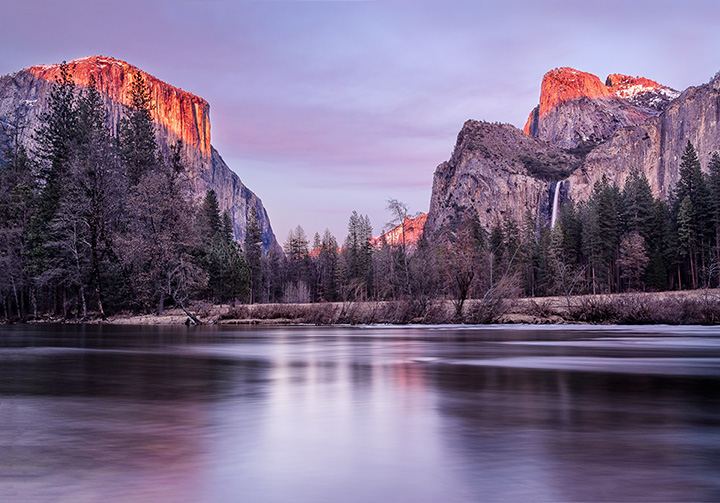
- Yosemite National Park, California: 759,620.05 acres (3,074.07 km²)
- Kenai Fjords National Park, Alaska: 669,650 acres (2,710 km²)
- Isle Royale National Park, Michigan: 571,790.11 acres (2,313.95 km²)
- Great Smoky Mountains National Park, Tennessee and North Carolina: 522,426.88 acres (2,114.19 km²)
- North Cascades National Park, Washington: 504,780.94 acres (2,042.78 km²)
- Kings Canyon National Park, California: 461,901 acres (1,869.25 km²)
- Sequoia National Park, California: 404,063 acres (1,635.18 km²)
- Canyonlands National Park, Utah: 337,597.83 acres (1,366.21 km²)
- Hawaii Volcanoes National Park, Hawaii: 335,259 acres (1,356.75 km²)
- Grand Teton National Park, Wyoming: 310,043.96 acres (1,254.7 km²)
- Rocky Mountain National Park, Colorado: 265,807.25 acres (1,075.68 km²)
- Channel Islands National Park, California: 249,561 acres (1,009.9 km²)
- Badlands National Park, South Dakota: 242,755.94 acres (982.4 km²)
- Capitol Reef National Park, Utah: 241,904.26 acres (978.95 km²)
- Mount Rainier National Park, Washington: 236,381.49 acres (956.6 km²)
- Petrified Forest National Park, Arizona: 221,415.74 acres (896.04 km²)
- Voyageurs National Park, Minnesota: 218,200.15 acres (883.02 km²)
- Shenandoah National Park, Virginia: 197,438.76 acres (799 km²)
- Crater Lake National Park, Oregon: 183,224.05 acres (741.48 km²)
- White Sands National Park, New Mexico: 176,000 acres (442 km²)
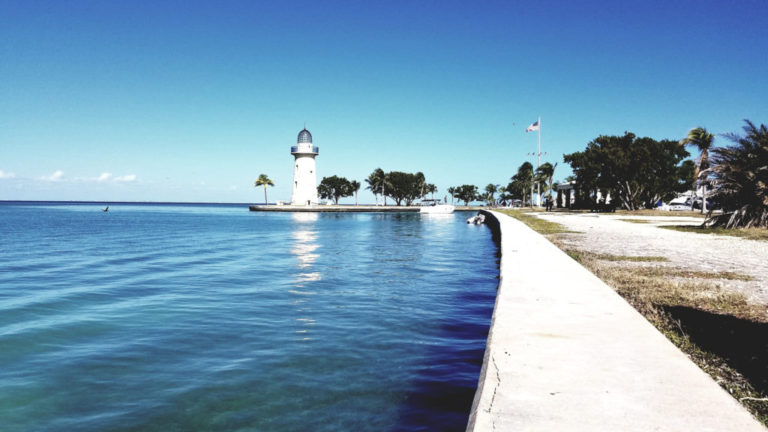
- Biscayne National Park, Florida: 172,971.11 acres (700 km²)
- Great Sand Dunes National Park & Preserve, Colorado: 148,987.87 acres (603.93 km²)
- Zion National Park, Utah: 147,237.02 acres (595.85 km²)
- Redwood National and State Parks, California: 138,999.37 acres (562.51 km²)
- Lassen Volcanic National Park, California: 106,589.02 acres (431.35 km²)
- Saguaro National Park, Arizona: 91,442.42 acres (370.05 km²)
- Guadalupe Mountains National Park, Texas: 86,367.1 acres (349.52 km²)
- Great Basin National Park, Nevada: 77,180 acres (312.34 km²)
- Arches National Park, Utah: 76,678.98 acres (310.31 km²)
- New River Gorge National Park & Preserve, West Virginia: 72,185.76 acres (292.13 km²)
- Theodore Roosevelt National Park, North Dakota: 70,446.89 acres (285.1 km²)
- Dry Tortugas National Park, Florida: 64,701.22 acres (261.84 km²)
- Mammoth Cave National Park, Kentucky: 52,830.19 acres (213.8 km²)
- Mesa Verde National Park, Colorado: 52,485.17 acres (212.34 km²)
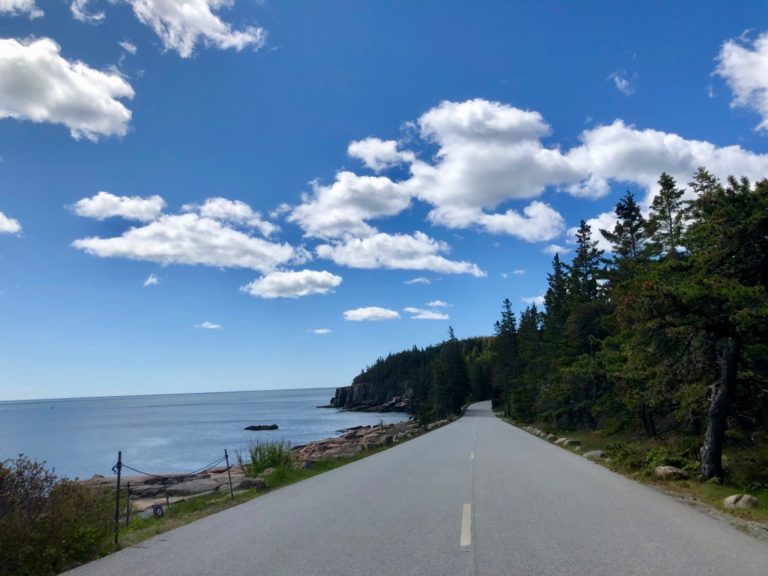
- Acadia National Park, Maine: 48,995.91 acres (198.28 km²)
- Carlsbad Caverns National Park, New Mexico: 46,766.45 acres (189.26 km²)
- Bryce Canyon National Park, Utah: 35,835.08 acres (145.02 km²)
- Wind Cave National Park, South Dakota: 33,923.68 acres (137.28 km²)
- Haleakala National Park, Hawaii: 33,264.62 acres (134.62 km²)
- Cuyahoga Valley National Park, Ohio: 32,571.48 acres (131.81 km²)
- Black Canyon of the Gunnison National Park, Colorado: 30,749.75 acres (124.44 km²)
- Pinnacles National Park, California: 26,685.73 acres (108 km²)
- Congaree National Park, South Carolina: 26,275.82 acres (106.33 km²)
- Indiana Dunes National Park, Indiana: 15,349 acres (62.12 km²)
- Virgin Islands National Park, U.S. Virgin Islands: 14,948.46 acres (60.5 km²)
- National Park of American Samoa, American Samoa: 9,103 acres (36.84 km²)
- Hot Springs National Park, Arkansas: 5,549.1 acres (22.5 km²)
- Gateway Arch National Park, Missouri: 192.83 acres (0.78 km²)
1. Wrangell-St. Elias National Park and Preserve, Alaska

Size: 13,175,799 acres (53,320.57 km²)
Wrangell-St. Elias National Park and Preserve is the largest national park in the United States. It’s located in southeastern Alaska. The park is home to stunning landscapes, including glaciers, mountains, and valleys. Visitors can enjoy a wide variety of activities here, including hiking, fishing, camping, and skiing. Our favorite trail is Root Glacier in Kennecott.
2. Gates of the Arctic National Park and Preserve, Alaska

Size: 8,472,506 acres (34,287.02 km2)
Gates of the Arctic National Park and Preserve is located in northern Alaska. It is mostly above the Arctic Circle. It’s difficult to reach; there are no roads that lead to it, as is the case with many Alaska national parks. To find out more about visiting this remote wilderness, read our travel guide.
3. Denali National Park and Preserve, Alaska

Size: 6,075,030 acres (24,584.77 km²)
Denali National Park and Preserve is located in central Alaska. The park is home to Denali (previously known as Mt. McKinley), the tallest mountain in North America. The park also contains a large section of the Alaska Range. Visitors can enjoy hiking, camping, and wildlife watching here.
4. Katmai National Park and Preserve, Alaska

Size: 4,093,066.82 acres (16,564.1 km2)
Katmai National Park is located in southwestern Alaska. It is home to the Valley of Ten Thousand Smokes, a 100 km wide valley filled with ash from a 1912 volcanic eruption. There are plenty of things to do in Katmai, including a visit to Brooks Falls, a popular area for viewing fishing grizzly bears.
5. Lake Clark National Park and Preserve, Alaska

Size: 4,030,130 acres (16,309.36 km2)
Lake Clark National Park & Preserve is located in southwestern Alaska. It is known for its spectacular scenery, which includes mountains, glaciers, forests, and lakes. Visitors can enjoy a variety of activities here, including hiking, fishing, camping, and kayaking.
6. Death Valley National Park, California

Size: 3,408,395.63 acres (13,793.3 km2)
Death Valley National Park is located in southeastern California. It is known for its hot, dry climate and for being home to the lowest point in North America (Badwater Basin). The park contains a variety of landscapes, including mountains, canyons, and deserts.
7. Glacier Bay National Park and Preserve, Alaska

Size: 3,284,500 acres (13,291.9 km2)
Glacier Bay National Park & Preserve is located in southeastern Alaska. It is known for its glaciers, which have been receding rapidly since the Little Ice Age ended in the early 1800s. The park also contains a variety of landscapes, including mountains, forests, and waterways.
8. Yellowstone National Park, Wyoming

Size: 2,219,790.71 acres (8,983.2 km2)*
Yellowstone National Park is located in Wyoming, Montana, and Idaho. It is known for its geothermal features, such as geysers and hot springs. It was the first national park established anywhere in the world.
9. Kobuk Valley National Park, Alaska

Size: 1,750,716.16 acres (7,084.9 km2)
Kobuk Valley National Park is located in northwestern Alaska. It is known for its sand dunes, which were formed by glaciers grinding against the rocks over millions of years. The park also contains a variety of landscapes, including mountains, tundra, and forests.
10. Everglades National Park, Florida

Size: 1,508,975.57 acres (6,106.61 km²)
Everglades National Park is located in southern Florida. It is known for its wetland ecosystems, which are home to a variety of plants and animals. The park also contains a variety of landscapes, including marshes, estuaries, and pine forests.
11. Grand Canyon National Park, Arizona

Size: 1,218,375 acres (4,930.6 km²)
Grand Canyon National Park is located in northwestern Arizona. It is known for its grandiose canyon, which has been carved by the Colorado River over millions of years. Visitors love taking in the view from the rim, especially at sunset.
12. Glacier National Park, Montana

Size: 1,013,324.23 acres (4,100.78 km²)
Glacier National Park is located in northwestern Montana. It is known for its glaciers, which have been receding rapidly since the Little Ice Age ended in the early 1800s. Popular things to do include driving the famous Going-to-the-Sun Road and hiking to Cracker Lake.
13. Olympic National Park, Washington

Size: 922,650.1 acres (3,733.83 km²)
Olympic National Park is located in northwestern Washington. It is known for its diverse landscapes, which include rainforests, mountains, and coastlines. Popular activities include hiking, camping, and wildlife watching.
14. Big Bend National Park, Texas

Size: 801,163.21 acres (3,242.19 km²)
Big Bend National Park is located in southwestern Texas. It is known for its big bend in the Rio Grande, which forms a boundary between the United States and Mexico. It’s especially popular in the winter months.
15. Joshua Tree National Park, California

Size: 795,156 acres (3,218 km²)
Joshua Tree National Park is located in southeastern California. It is known for its Joshua trees, which are actually a type of yucca. While the park is especially popular for rock climbers, we love hiking in Joshua Tree.
16. Yosemite National Park, California

Size: 759,620.05 acres (3,074.07 km²)
Yosemite National Park is located in central California. It is known for its waterfalls, cliffs, and giant sequoias. Visitors love hiking in Yosemite Valley and driving through the Tunnel View. People also flock here for the Firefall event.
17. Kenai Fjords National Park, Alaska

Size: 669,650 acres (2,710 km²)
Kenai Fjords National Park is located in southcentral Alaska. It is known for its glaciers, boat tours, and hiking trails. Popular hikes include Exit Glacier and the Harding Icefield.
18. Isle Royale National Park, Michigan

Size: 571,790.11 acres (2,313.95 km²)
Isle Royale National Park is located in northwestern Michigan. It is known for its remote location, as it is only accessible by boat or seaplane. The park is popular with backpackers and canoeists, who come to enjoy the solitude and wilderness.
19. Great Smoky Mountains National Park, Tennessee and North Carolina

Size: 522,426.88 acres (2,114.19 km²)
Great Smoky Mountains National Park is located in eastern Tennessee and western North Carolina. It is known for its mountains, forests, and wildlife. Popular activities include hiking, camping, and fishing. The Appalachian Trail goes straight through it, including its tallest point: Clingmans Dome.
20. North Cascades National Park, Washington

Size: 504,780.94 acres (2,042.78 km²)
North Cascades National Park is located in northwestern Washington. It is known for its mountains, forests, and lakes. Popular activities include hiking, camping, and climbing. The park also contains the North Cascades Highway, which is a popular scenic drive.
21. Kings Canyon National Park, California

Size: 461,901 acres (1,869.25 km²)
Kings Canyon National Park is located in central California. It is known for its canyon, mountains, and sequoias. Popular activities in Kings Canyon include hiking, camping, and backpacking. The park also contains the General Grant Tree, which is the second largest tree in the world.
22. Sequoia National Park, California

Size: 404,063 acres (1,635.18 km²)
Sequoia National Park is located in central California. It is known for its sequoias, which are the largest trees in the world. Popular activities include hiking, camping, and backpacking. The park also contains Mount Whitney, the highest peak in the contiguous United States.
23. Canyonlands National Park, Utah

Size: 337,597.83 acres (1,366.21 km²)
Canyonlands National Park is located in southeastern Utah. It is known for its canyons, mesas, and rivers. Popular activities include hiking, camping, and four-wheeling. The park also contains the Needles District, which is popular with rock climbers, and The Maze, great for backpacking.
24. Hawaii Volcanoes National Park, Hawaii

Size: 335,259 acres (1,356.75 km²)
Hawaii Volcanoes National Park is located on the Big Island of Hawaii. It is known for its volcanoes, lava flows, and rainforests. Popular activities include hiking, camping, and backpacking. The park also contains the Kilauea Caldera, which is one of the most active volcanoes in the world.
25. Grand Teton National Park, Wyoming

Size: 310,043.96 acres (1,254.7 km²)
Grand Teton National Park is located in northwestern Wyoming. It is known for its mountains, forests, and wildlife. Popular activities include hiking, boating, camping, and climbing.
26. Rocky Mountain National Park, Colorado

Size: 265,807.25 acres (1,075.68 km²)
Rocky Mountain National Park is located in northern Colorado. It is known for its mountains, forests, and wildlife. Popular activities include hiking, camping, fishing, and climbing. The park also contains Longs Peak, which is the tallest mountain in the park at 14,259 feet (4,346 m).
27. Channel Islands National Park, California

Size: 249,561 acres (1,009.9 km²)
Channel Islands National Park is located off the coast of southern California. It is known for its islands, sea caves, and marine life. Popular activities include hiking, camping, kayaking, and snorkeling. The park also contains Anacapa Island, known for its lighthouse and the nearby sea arch.
28. Badlands National Park, South Dakota

Size: 242,755.94 acres (982.4 km²)
Badlands National Park is located in southwestern South Dakota. It is known for its badlands, which are a type of landscape characterized by steep hills and ravines. Popular activities include hiking, camping, and backpacking. The park also contains the White River Badlands, which are home to bison and other wildlife.
29. Capitol Reef National Park, Utah

Size: 241,904.26 acres (978.95 km²)
Capitol Reef National Park is located in south-central Utah. It is known for its scenic drives, canyons, and hiking routes. Popular activities include hiking, camping, and backpacking. The park also contains the only orchard in any of the national parks, so don’t forget to save room for pie.
30. Mount Rainier National Park, Washington

Size: 236,381.49 acres (956.6 km²)
Mount Rainier National Park is located in western Washington. It is known for its mountains, forests, and waterfalls. Popular activities include camping, hiking, and backpacking. The park also contains Mount Rainier, the tallest mountain in the Cascade Range at 14,411 feet (4,392 m).
31. Petrified Forest National Park, Arizona

Size: 221,415.74 acres (896.04 km²)
Petrified Forest National Park is located in northeastern Arizona. It is known for its petrified wood, which is wood that has been turned to stone by the process of fossilization. Popular activities at Petrified Forest include hiking, camping, and backpacking. The park also contains the Painted Desert, a colorful landscape of badlands.
32. Voyageurs National Park, Minnesota

Size: 218,200.15 acres (883.02 km²)
Voyageurs National Park is located in northwestern Minnesota. It is known for its lakes, forests, and wildlife. Popular activities include camping, boating, fishing, and canoeing. The park also contains the Kabetogama Peninsula, which is a popular spot for birdwatching. Sometimes, you can see the northern lights here!
33. Shenandoah National Park, Virginia

Size: 197,438.76 acres (799 km²)
Shenandoah National Park is located in northwestern Virginia. It is known for its mountains, forests, and waterfalls. Popular activities include hiking, camping, and backpacking. The park also contains Skyline Drive, a scenic road that runs for 105 miles (169 km) through the park.
34. Crater Lake National Park, Oregon

Size: 183,224.05 acres (741.48 km²)
Crater Lake National Park is located in southern Oregon. It is known for its namesake lake, which is the deepest lake in the United States at 1,949 feet (594 m). Popular activities include hiking, camping, and fishing. The park also contains Wizard Island, a volcanic island in the middle of the lake.
35. White Sands National Park, New Mexico

Size: 176,000 acres (442 km²)
White Sands National Park is located in southern New Mexico. It is known for its white sand dunes, which are made of gypsum crystals. Popular activities at White Sands include hiking, camping, and sledding down the dunes. The park is home to the world’s largest gypsum dunefield, which covers an area of 275 square miles.
36. Biscayne National Park, Florida

Size: 172,971.11 acres (700 km²)
Biscayne National Park is located in southeastern Florida. It is known for its coral reefs, mangrove forests, and marine life. Popular activities include snorkeling, diving, and fishing. Taking boat tours to nearby islands, snorkeling above shipwrecks, and viewing manatees are also visitor favorites.
37. Great Sand Dunes National Park and Preserve, Colorado

Size: 148,987.87 acres (603.93 km²)
Great Sand Dunes National Park and Preserve is located in southern Colorado. It is known for its sand dunes, which are the tallest in North America at 750 feet (229 m). Popular activities include hiking, camping, and sledding down the dunes. The park also contains Medano Creek, a popular spot for tubing and splashing around.
38. Zion National Park, Utah

Size: 147,237.02 acres (595.85 km²)
Zion National Park is located in southwestern Utah. It is known for its red rock cliffs, canyons, and rivers. Popular activities include hiking, camping, and backpacking. The park also contains the Narrows, a popular spot for canyoneering. Angels Landing, a strenuous hike with breathtaking views, is also a must-do.
39. Redwood National and State Parks, California

Size: 138,999.37 acres (562.51 km²)
Redwood National Park is located in northwestern California. It is known for its coastal redwood forests. These trees can grow to be over 350 feet (107 m) tall! Popular activities include camping, hiking, and backpacking. The park also contains the tallest tree in the world, which is a coast redwood named Hyperion.
40. Lassen Volcanic National Park, California

Size: 106,589.02 acres (431.35 km²)
Lassen Volcanic National Park is located in northeastern California. It is known for its volcanoes, hot springs, and hydrothermal features. Popular activities include hiking, camping, and backpacking. The park also contains the largest plug dome volcano in the world, Lassen Peak.
41. Saguaro National Park, Arizona

Size: 91,442.42 acres (370.05 km²)
Saguaro National Park is located in southern Arizona. It is known for its desert landscapes and saguaro cacti, which can grow to be over 80 feet (24 m) tall! Popular activities include hiking, camping, and birdwatching. The park also contains the Rincon Mountain District, which is a popular spot for backpacking.
42. Guadalupe Mountains National Park, Texas

Size: 86,367.1 acres (349.52 km²)
Guadalupe Mountains National Park is located in western Texas. It is known for its mountains, which include Guadalupe Peak, the highest point in Texas at 8,749 feet (2,667 m). Popular activities include hiking, backpacking, and horseback riding.
43. Great Basin National Park, Nevada

Size: 77,180 acres (312.34 km²)
Great Basin National Park is located in eastern Nevada. It is known for its mountains, caves, and alpine lakes. Popular activities include hiking, camping, and backpacking. The park also contains Lehman Caves where you can take ranger-guided tours.
44. Arches National Park, Utah

Size: 76,678.98 acres (310.31 km²)
Arches National Park is located in southeastern Utah. It is known for its sandstone arches, which are formed by erosion. Popular activities include hiking, camping, and backpacking. The park also contains the Delicate Arch, which is one of the most popular spots in the park.
45. New River Gorge National Park & Preserve, West Virginia

Size: 72,185.76 acres (292.13 km²)
New River Gorge National Park & Preserve is located in southern West Virginia. It is known for the New River, which is one of the oldest rivers in the world. Popular activities include whitewater rafting, hiking, and rock climbing. The park also contains the largest steel arch bridge in the world, which is the New River Gorge Bridge.
46. Theodore Roosevelt National Park, North Dakota

Size: 70,446.89 acres (285.1 km²)
Theodore Roosevelt National Park is located in southwestern North Dakota. It is known for its badlands landscapes and bison herds. Popular activities include hiking, camping, and backpacking. The park also contains the Theodore Roosevelt Memorial Ranch, which was the former home of President Theodore Roosevelt.
47. Dry Tortugas National Park, Florida

Size: 64,701.22 acres (261.84 km²)
Dry Tortugas National Park is located in southwestern Florida. It is known for its coral reefs, shipwrecks, and birdwatching. Popular activities include snorkeling, SCUBA diving, and camping. The park also contains Fort Jefferson, a 19th-century fort that was used as a prison during the Civil War.
48. Mammoth Cave National Park, Kentucky

Size: 52,830.19 acres (213.8 km²)
Mammoth Cave National Park is located in central Kentucky. It is known for its cave system, which is the longest in the world. Popular activities include cave tours, hiking, and camping. The park also contains the Mammoth Cave Hotel, which was built in the early 1900s.
49. Mesa Verde National Park, Colorado

Size: 52,485.17 acres (212.34 km²)
Mesa Verde National Park is located in southwestern Colorado. It is known for its cliff dwellings, which were built by the Pueblo people. Popular activities include hiking, camping, and backpacking. The park also contains the Mesa Verde Visitor Center, which has exhibits about the history of the area.
50. Acadia National Park, Maine

Size: 48,995.91 acres (198.28 km²)
Acadia National Park is located in eastern Maine. It is known for its mountains, cliffs, and ocean views. Popular activities include hiking, camping, and birdwatching.
51. Carlsbad Caverns National Park, New Mexico

Size: 46,766.45 acres (189.26 km²)
Carlsbad Caverns National Park is located in southeastern New Mexico. It is known for its cave system, which includes the Carlsbad Cavern. Popular activities include cave tours, hiking, and camping. The park also contains the Bat Flight Amphitheater, where you can see bats fly at night.
52. Bryce Canyon National Park, Utah

Size: 35,835.08 acres (145.02 km²)
Bryce Canyon National Park is located in southwestern Utah. It is known for its hoodoos, which are rock formations that were created by erosion. Popular activities include hiking, camping, and backpacking. The park also contains the Bryce Canyon Lodge, which was built in the early 1900s.
53. Wind Cave National Park, South Dakota

Size: 33,923.68 acres (137.28 km²)
Wind Cave National Park is located in southwestern South Dakota. It is known for its cave system, which includes the Wind Cave. Popular activities include cave tours, hiking, and camping.
54. Haleakala National Park, Hawaii

Size: 33,264.62 acres (134.62 km²)
Haleakala National Park is located on the island of Maui in Hawaii. It is known for its volcano, which is the tallest mountain in the state. Haleakala’s most popular activities include hiking, camping, and birdwatching. Watching the sunrise from the Haleakala Summit is another attraction.
55. Cuyahoga Valley National Park, Ohio

Size: 32,571.48 acres (131.81 km²)
Cuyahoga Valley National Park is located in northeastern Ohio. It is known for its waterfalls, hiking trails, and scenic views. Popular activities include hiking, camping, and canoeing. The park also contains the Cuyahoga Valley Scenic Railroad, which offers scenic rides through the valley.
56. Black Canyon of the Gunnison National Park, Colorado

Size: 30,749.75 acres (124.44 km²)
Black Canyon of the Gunnison National Park is located in western Colorado. It is known for its canyon, which is one of the deepest in North America. Popular activities include hiking, camping, and rock climbing. The park also contains the Gunnison River, which is popular for rafting and canoeing.
57. Pinnacles National Park, California

Size: 26,685.73 acres (108 km²)
Pinnacles National Park is located in central California. It is known for its rock formations, which were created by volcanic activity. Popular Pinnacles activities include hiking, camping, and birdwatching. The park also contains the Pinnacles Visitor Center, which has exhibits about the history of the area.
58. Congaree National Park, South Carolina

Size: 26,275.82 acres (106.33 km²)
Congaree National Park is located in central South Carolina. It is known for its old-growth forest, which is the largest in the eastern United States. Popular activities include hiking, camping, and canoeing. The park also contains the Congaree River, which is popular for rafting and kayaking.
59. Indiana Dunes National Park, Indiana

Size: 15,349 acres (62.12 km²)
Indiana Dunes National Park is located in northwestern Indiana. It is known for its dunes, which were created by wind and water. Popular activities include hiking, camping, and birdwatching. The park also contains the Indiana Dunes Visitor Center, which has exhibits about the history of the area.
60. Virgin Islands National Park, U.S. Virgin Islands

Size: 14,948.46 acres (60.5 km²)
Virgin Islands National Park is located on the island of St. John in the U.S. Virgin Islands. It is known for its beaches, which are popular for snorkeling and swimming. Popular activities also include hiking, camping, and birdwatching. The park also contains the Annaberg Sugar Mill, which was built in the 18th century.
61. National Park of American Samoa, American Samoa

Size: 9,103 acres (36.84 km²)
National Park of American Samoa is located on the island of Tutuila in American Samoa. It is known for its rainforest, which is home to many bird species. Popular activities include hiking, camping, and birdwatching. The park also contains the village of Siufaga, which is a traditional Samoan fishing village.
62. Hot Springs National Park, Arkansas

Size: 5,549.1 acres (22.5 km²)
Hot Springs National Park is located in central Arkansas. It is known for its hot springs, which are popular for bathing. Popular activities also include hiking, camping, and picnicking. The park also contains the Hot Springs Mountain Tower, which offers views of the surrounding area.
63. Gateway Arch National Park, Missouri

Size: 192.83 acres (0.78 km²)
Gateway Arch National Park is located in downtown St. Louis, Missouri. It is known for its Gateway Arch, which is the tallest monument in the United States. Popular activities include walking, biking, and taking the tram to the top of the arch. The park also contains the Museum of Westward Expansion, which has exhibits about the history of the area.
Frequently Asked Questions
What is the largest national park in the United States?
That would be Wrangell-St. Elias National Park & Preserve in Alaska. It protects a whopping 13.2 million acres.
What is the smallest national park in the United States?

Of the 63 national parks, Gateway Arch National Park is the smallest.
However, the smallest unit in the national park system is actually Thaddeus Kościuszko National Memorial in Philadelphia. Protecting an apartment he once lived in, that site is only 0.2 acres.
What is the largest national park in the contiguous United States?

While many people think Yellowstone is the largest, this title actually belongs to Death Valley.
Read More National Park Lists
For more, check out our lists of national parks by state, national parks by popularity, national parks by designation, and national parks in alphabetical order.
Pin Our List of National Parks by Size
We hope you were able to find what you were looking for. Be sure to leave any questions in the comments below!