

Article Summary: How Many National Parks in Alaska, Alaska National Parks, Alaska National Parks Map, National Parks in Alaska
Alaska has more than just its eight most famous national parks. In fact, in total, there are 23 national parks in Alaska. This includes national parks, rivers, monuments, preserves, and historical parks. Each is unique, distinct, and gorgeous.
A visit to any of the Alaska national parks will take your breath away. Here is a complete list of all the national parks in Alaska, how to reach them, things to do there, and more.
This post may contain affiliate links. If you make a purchase, I may earn a small commission at no additional cost to you. For more information, view my privacy policy.
Table of Contents
Map of National Parks in Alaska
Click the image below to view or download a larger version of the map.

List of Alaska National Parks
- Denali
- Gates of the Arctic
- Glacier Bay
- Katmai
- Kenai Fjords
- Kobuk Valley
- Lake Clark
- Wrangell-St. Elias
List of All National Parks in Alaska (every National Park Service unit)
- Alagnak Wild River
- Aniakchak National Monument
- Aniakchak National Preserve
- Bering Land Bridge National Preserve
- Cape Krusenstern National Monument
- Denali National Park
- Denali National Preserve
- Gates of the Arctic National Park
- Gates of the Arctic National Preserve
- Glacier Bay National Park
- Glacier Bay National Preserve
- Katmai National Park
- Katmai National Preserve
- Kenai Fjords National Park
- Klondike Gold Rush National Historical Park
- Kobuk Valley National Park
- Lake Clark National Park
- Lake Clark National Preserve
- Noatak National Preserve
- Sitka National Historical Park
- Wrangell-St. Elias National Park
- Wrangell-St. Elias National Preserve
- Yukon-Charley Rivers National Preserve
PARKS EXPERT FUN FACT: Since some national parks and national preserves are managed differently, they count as two national park units despite having the same name.
Tips for Visiting the National Parks in Alaska
Prepare for the Weather
Any time of year, it can snow in Alaska. Parts of the state are also located in rainforest climates, so expect wet conditions and fog.
With climate change, many summers also include horrific wildfires.
For an idea of what to pack, check out my post on what to wear in Alaska. You may also find my post on the best outdoor gear helpful in planning.
Most National Parks in Alaska are not Accessible by Road
Visiting these parks can be incredibly expensive, as many require air travel to remote parts of Alaska. Extensive planning and preparation are required to visit these parks.
This also means that help can be very far away. Be sure to read through how to report an incident in case of an emergency. Do not expect to have cell phone service.
Many Alaska National Parks Include Native Corporation Lands
It’s important to be respectful to those who still utilize these parks for their lifestyle and heritage. Taking photos of Native villages is frowned upon, and visiting cemeteries is incredibly disrespectful.
Be courteous and remember that you are a visitor in their home. Support the villages as much as possible.
Understand Alaska’s Wildlife and Wildlands
Many animals, particularly in remote areas, have never encountered humans. It’s important to do your research and learn how to behave around wild animals in the state.
Furthermore, many of the national parks in Alaska do not have roads or trails. You should prepare to be completely self-sufficient and always carry maps, a compass, a GPS unit, and a satellite phone in case of an emergency.
Pack extra food in case poor weather interrupts your travel plans.

How to Get to the National Parks in Alaska

Alagnak Wild River
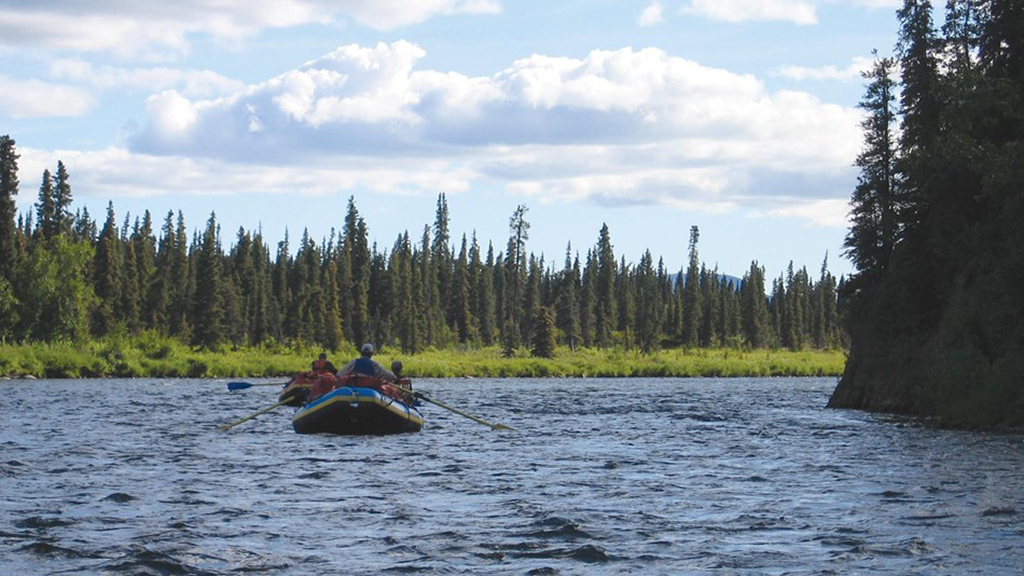
The Alagnak River corridor runs from neighboring Katmai National Park to the Bering Sea along the Alaska Peninsula. By floating the river, you’ll witness unparalleled beauty.
Furthermore, you’ll have a unique opportunity to experience the cultural heritage of the region. Native Alaskans here have depended on the river and nearby lands for thousands of years, and you’ll find yourself in the same situation as you travel.
How to Get There: The main visitor center and headquarters are located in King Salmon, Alaska. The same visitor center also services Katmai, Lake Clark, Aniakchak, and the NPS-affiliated Aleutian World War II Heritage Area. Flights to King Salmon leave daily from Homer and Anchorage. From there, multiple air taxis can fly you to multiple drop-off points along the Alagnak River.
Map: download here
Things to Do: Boating, camping, fishing, hunting
Park Entrance Fee: None
Where to Stay: Gold Creek Lodge
Official Website: click here
Speak to a Park Ranger: Call (907) 246-3305
Aniakchak National Monument and Preserve
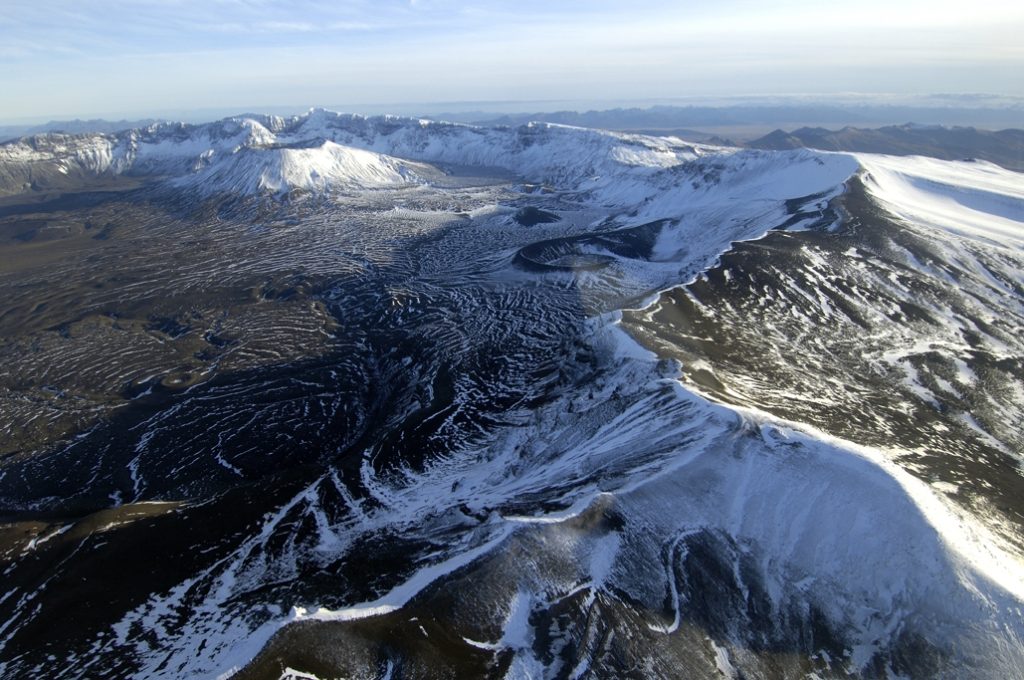
In 2018, this was the least-visited of all 400+ national park sites with only 100 visitors.
Its main attraction, the 6-mile wide caldera pictured above, formed during a volcanic eruption over 3,500 years ago. While that seems like it was a long time ago, the park remains a constant reminder of Alaska’s position along the Ring of Fire.
While getting there remains the biggest challenge, the visit will certainly be rewarding.
How to Get There: Most air taxis depart from King Salmon and drop you off in remote areas of the park. You can reach King Salmon by daily commercial flights from Anchorage or Homer. Keep in mind that the weather in this region is very unpredictable and makes traveling to Aniakchak extremely difficult.
Map: download here
Things to Do: Backpacking, boating, camping, hiking, hunting
Park Entrance Fee: None
Where to Stay: Gold Creek Lodge
Official Website: click here
Speak to a Park Ranger: Call (907) 246-3305
Bering Land Bridge National Preserve

Long ago, Russia and the United States were connected by a massive land bridge called Beringia. Today, the area is preserved as Bering Land Bridge. The preserve interprets the history of this important link and the impacts it has had on our lives today.
Furthermore, an expansive natural wildland is located here with incredible wildlife and unique plants. Located about 100 miles from Nome, this is arguably one of the easier remote national parks in Alaska to visit.
How to Get There: The visitor center is located at 214 Front St. in Nome. To reach Nome, take a commercial flight from Anchorage. From Nome, you’ll need to charter a plane to fly into the official parklands. It can also be reached on foot, by boat, or on a snowmobile. There are no roads from Nome to the preserve.
Map: download here
Things to Do: Backpacking, berry picking, birding, camping, fishing, flightseeing, hiking, hunting, ranger programs, snowmobiling, wildlife viewing
Park Entrance Fee: None
Where to Stay: There are three hotels in Nome.
Official Website: click here
Speak to a Park Ranger: Call (907) 443-2522
Cape Krusenstern National Monument
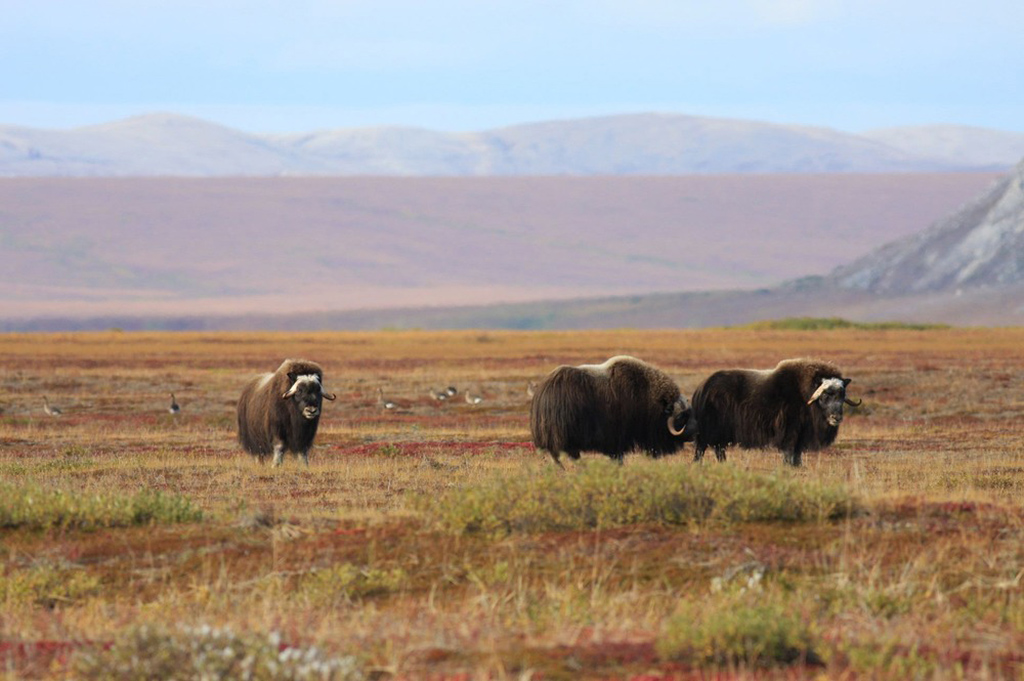
Sharing 70 miles of coastline with the Chukchi Sea, Cape Krusenstern National Monument protects both beaches and mountainous terrain. Here, you can find evidence of humans dating back 5,000 years.
Frolicking through fields of wildflowers will divulge unique shorebirds, some making their way north all the way from South America, and the qiviut (inner wool layer) of muskoxen.
Furthermore, there are many activities for visitors to enjoy in this remote Alaskan national park.
How to Get There: Air services to Cape Krusernstern depart from Kotzebue, Alaska. The visitor center in Kotzebue, officially called the Northwest Arctic Heritage Center, also serves Kobuk Valley, Gates of the Arctic, Bering Land Bridge, and Noatak. Flights to Kotzebue leave daily from Anchorage.
Map: download here
Things to Do: Backpacking, birding, camping, flightseeing
Park Entrance Fee: None
Where to Stay: There are no lodges within the park. The closest lodging is found in Kotzebue, Alaska.
Official Website: click here
Speak to a Park Ranger: Call (907) 442-3890
Denali National Park and Preserve
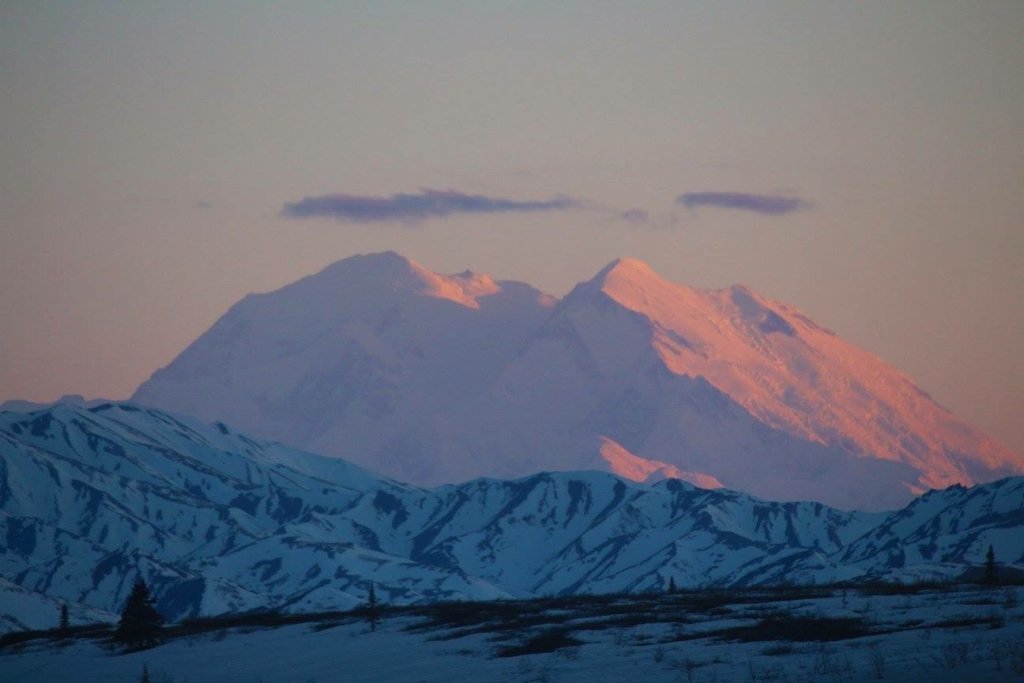
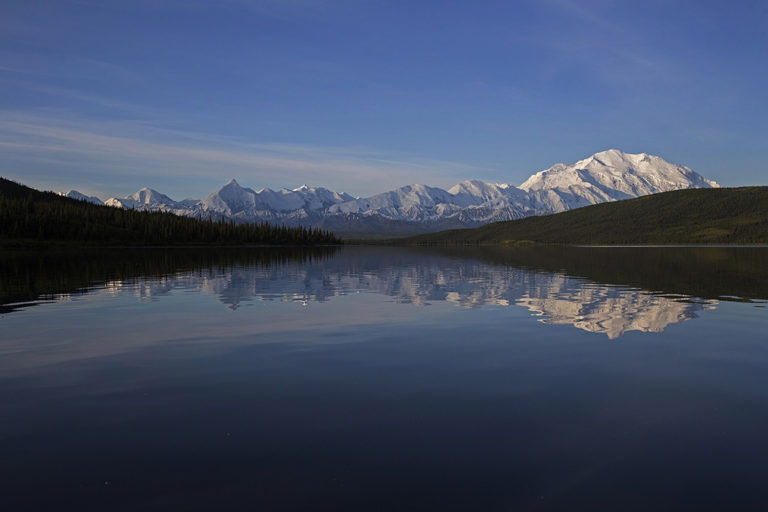
Denali National Park is my favorite national park in the country.
It is arguably the most accessible of all the national parks in Alaska because it is on the road system and there is a road going into the park. This single road covers only 92 miles of the park’s 6.2 million acres, and most of the road can only be traveled by bus.
While the other national parks in Alaska might break the bank, visiting Denali can be much more affordable and it is less of a logistical headache.
IMPORTANT: As of August 2021, Denali Park Road is partially closed due to a massive landslide. It’s expected to reopen in 2026. Learn more here.
How to Get There: Denali National Park is about five hours from Anchorage and two hours from Fairbanks by car. Anchorage and Fairbanks are the closest major airports. The Alaska Railroad also runs between Seward and Fairbanks with a stop in Denali National Park.
Map: download here
Things to Do: Backpacking, birding, boating, camping, cycling, fishing, flight-seeing, hiking, mountaineering, mushing, skiing, sled dog kennels, snowmobiling, snowshoeing, stargazing, wildlife viewing
Park Entrance Fee: $15 per person, valid for 7 days
Where to Stay: McKinley Chalet, Denali Bluffs, Grizzly Bear Resort, Grande Denali Lodge, Touch of Wilderness
Official Website: click here
Speak to a Park Ranger: Call (907) 683-9532
Read More About Denali National Park:
Gates of the Arctic National Park and Preserve
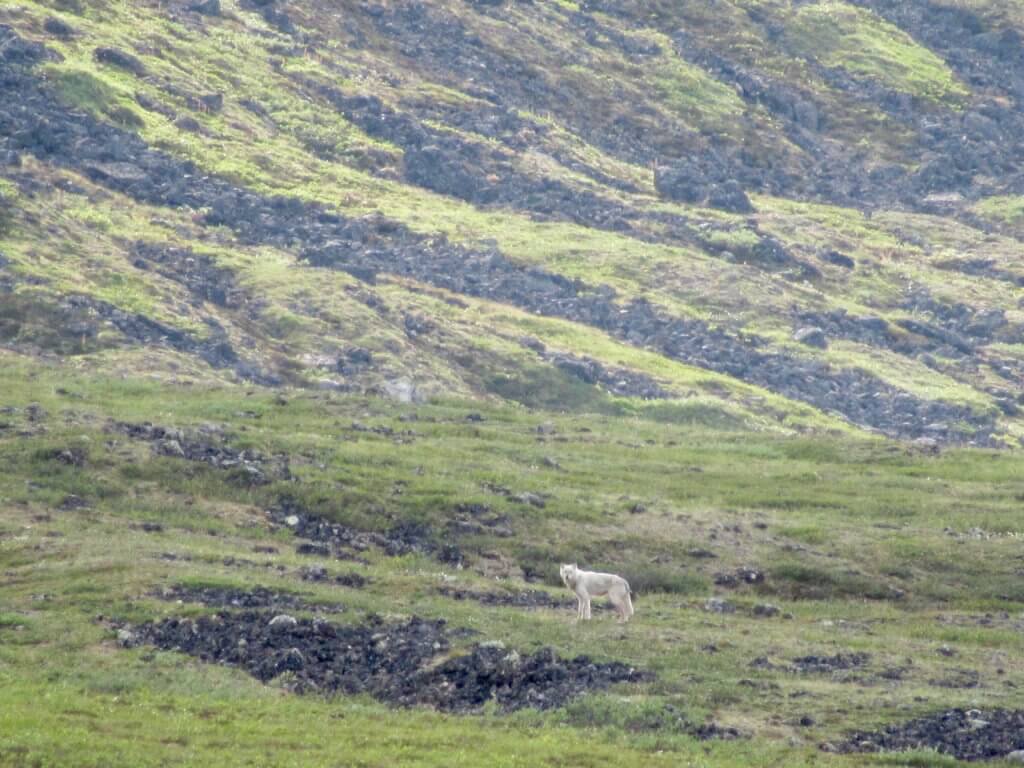
Gates of the Arctic National Park is easily one of the wildest places I have ever been to.
This astounding wild sanctuary lies entirely above the Arctic Circle, making it the northern-most national park in America. You never know what to expect on a journey to this untamed land.
On my backpacking trip, we saw hundreds of caribou antlers, two wolves (one pictured poorly above), two foxes, long-tailed jaegers, and much more.
Gates of the Arctic is teeming with life trying to survive before the next winter arrives, and that includes human beings.
Two main villages serve as access points to the park. Remember to respect Native Alaskans, their heritage, and their land.
How to Get There: Flights depart from Fairbanks to Anaktuvuk Pass daily. From here, you can arrange for an air taxi to drop you off in a more remote location or set off on foot into the wilderness. Another popular access point is Bettles, also serviced by daily flights from Fairbanks. Bettles itself is not located within the national park, so an additional flight will be required to enter its boundaries. You can also access the park by boat via multiple rivers, though this will also require an initial flight. Lastly, if you drive the Dalton Highway you can walk into the park. At the closest point, the highway is about 4 miles from the park boundary. Coldfoot, a town you will drive through along the Dalton Highway, also offers air taxi services.
Map: download here
Things to Do: Backpacking, birding, boating, camping, hiking, hunting, wildlife viewing
Park Entrance Fee: None
Where to Stay: There are no lodges inside the park. The closest accommodations are in Fairbanks, Alaska.
Official Website: click here
Speak to a Park Ranger: Call (907) 459-3730 or visit the Morris-Thompson Cultural Center in downtown Fairbanks.
Glacier Bay National Park and Preserve
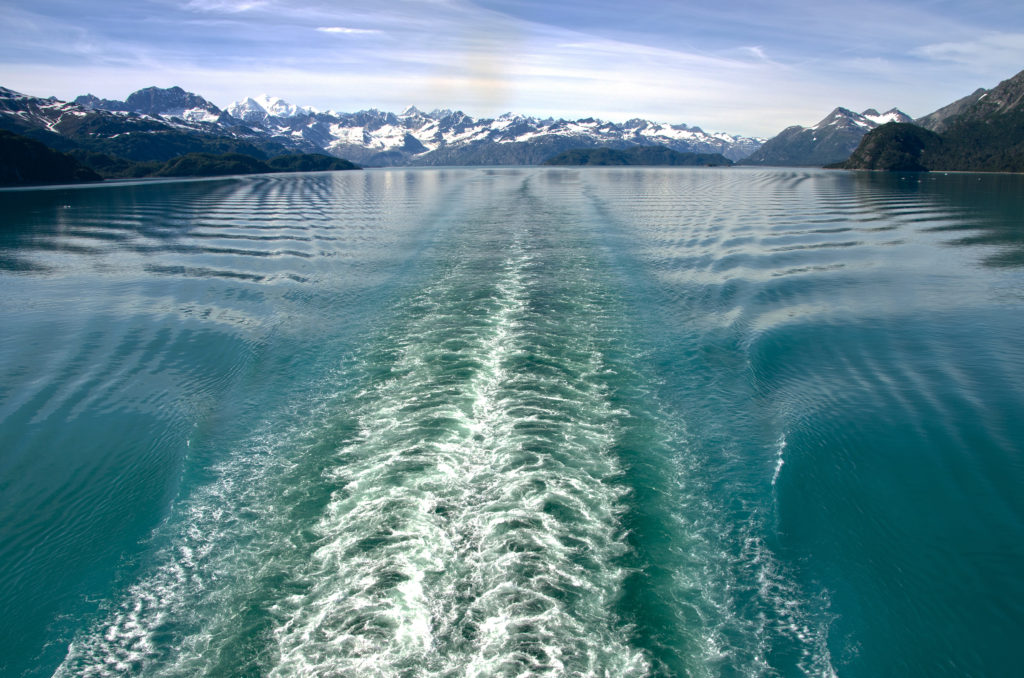
Part of one of the world’s largest internationally protected areas, Glacier Bay protects striking scenery.
Here you’ll find massive mountains that shoot straight up from the ocean, rugged rainforests, diverse wildlife, stunning fjords, and giant glaciers.
While most access the park via cruise ship, flying into Gustavus and planning your own visit can be extremely rewarding. This is especially true if you hope to get up-close-and-personal with these ice sheets before it’s too late.
How to Get There: Most visitors take an Alaskan cruise through the Inside Passage. If you hope to spend more time here, fly or take a ferry to Gustavus. Flights leave daily from Juneau, which you will also need to fly to. Ferries depart from Juneau as well.
Map: download here
Things to Do: Birding, camping, fishing, flight-seeing, hiking, hunting, kayaking, rafting
Park Entrance Fee: None
Where to Stay: Glacier Bay Lodge, Annie Mae Lodge, Gustavus Inn at Glacier Bay
Official Website: click here
Speak to a Park Ranger: Call (907) 697-2230 or visit the Visitor Center located on the second floor of the Glacier Bay Lodge in Bartlett Cove.
Katmai National Park and Preserve
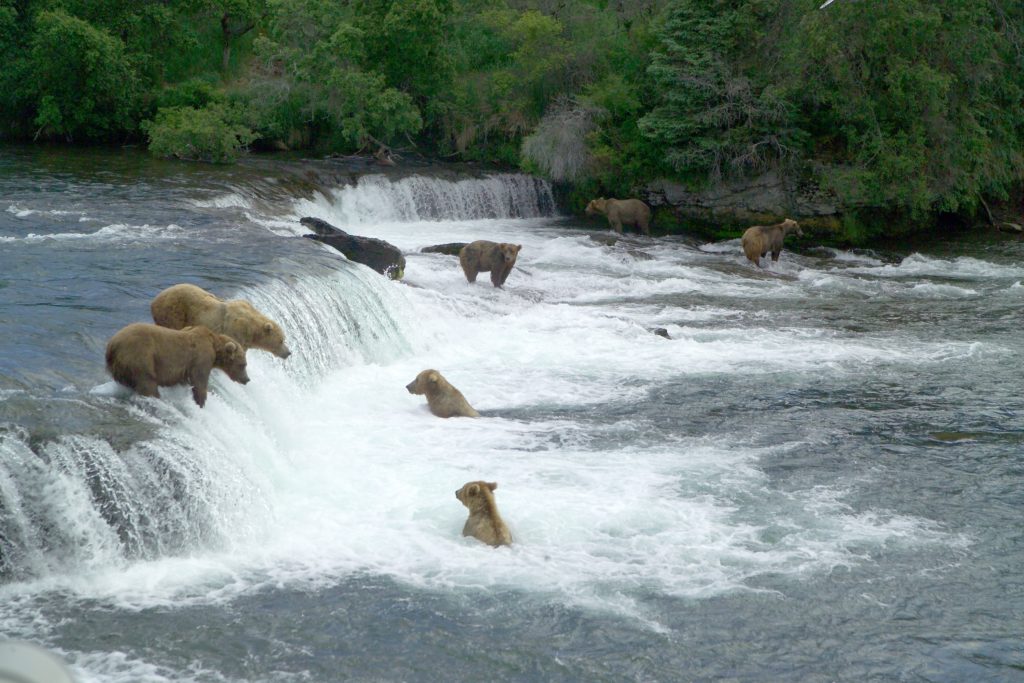
Famous for its grizzly bears, Katmai National Park and Preserve has so much more to offer. Think diverse wildlife, expansive wilderness, fascinating culture, and ancient volcanoes.
Getting there may be a chore, but your experience in this incredible national park will be worth every minute (and dollar spent).
Visit in July or September for the best bear viewing.
Viewing the bears at Brooks Falls (pictured above) is extremely popular. Therefore, the viewing platform has a maximum of 40 people at a time and a one-hour time limit for viewing. Park rangers are on-site to maintain a waiting list.
You can take a bus from Brooks Camp to the Valley of Ten Thousand Smokes, the site of a volcanic eruption. Reserve your lodging or campground spaces as early in advance as possible.
How to Get There: Most air taxis depart from King Salmon and drop you off in remote areas of the park. You can reach King Salmon by daily commercial flights from Anchorage or Homer. There are also boats from King Salmon to Katmai’s famous Brooks Camp.
Map: download here
Things to Do: Backpacking, bear viewing, boating, camping, fishing, flight-seeing, hiking, hunting, trapping
Park Entrance Fee: None
Where to Stay: Gold Creek Lodge, Brooks Camp, Brooks Lodge
Official Website: click here
Speak to a Park Ranger: Call (907) 246-3305
Kenai Fjords National Park
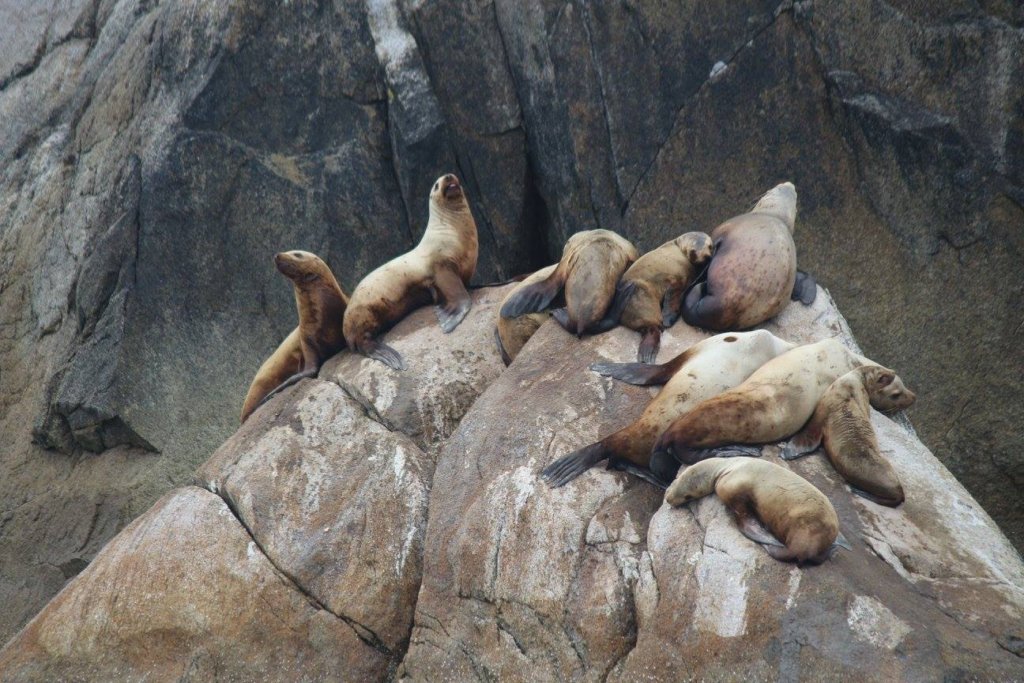
Kenai Fjords National Park protects a unique area in Alaska. The beautiful fjords found here are impeccably preserved with no development.
You could see bald eagles, mountain goats, puffins, and a variety of marine life as you travel through the park by boat. I highly recommend the tour to Fox Island, which includes a sea kayaking excursion.
Boat tours in the park will take you through the fjords to see wildlife and glaciers, but the best way to reach the remote areas of the park is by kayak.
You can also hike to Exit Glacier and Harding Icefield, both located just outside the town of Seward.
How to Get There: Kenai Fjord is one of the few national parks in Alaska you can drive to. From Anchorage, it is about 2.5 hours to Seward by car. You can also take the Alaska Railroad from Anchorage to Seward.
Map: download here
Things to Do: Boat tours, fishing, flight-seeing, hiking, kayaking, mountaineering
Park Entrance Fee: None
Where to Stay: Seward Windsong, Wilderness Lodge, Exit Glacier Lodge, Box Canyon Cabins
Official Website: click here
Speak to a Park Ranger: Call (907) 422-0500
Klondike Gold Rush National Historical Park
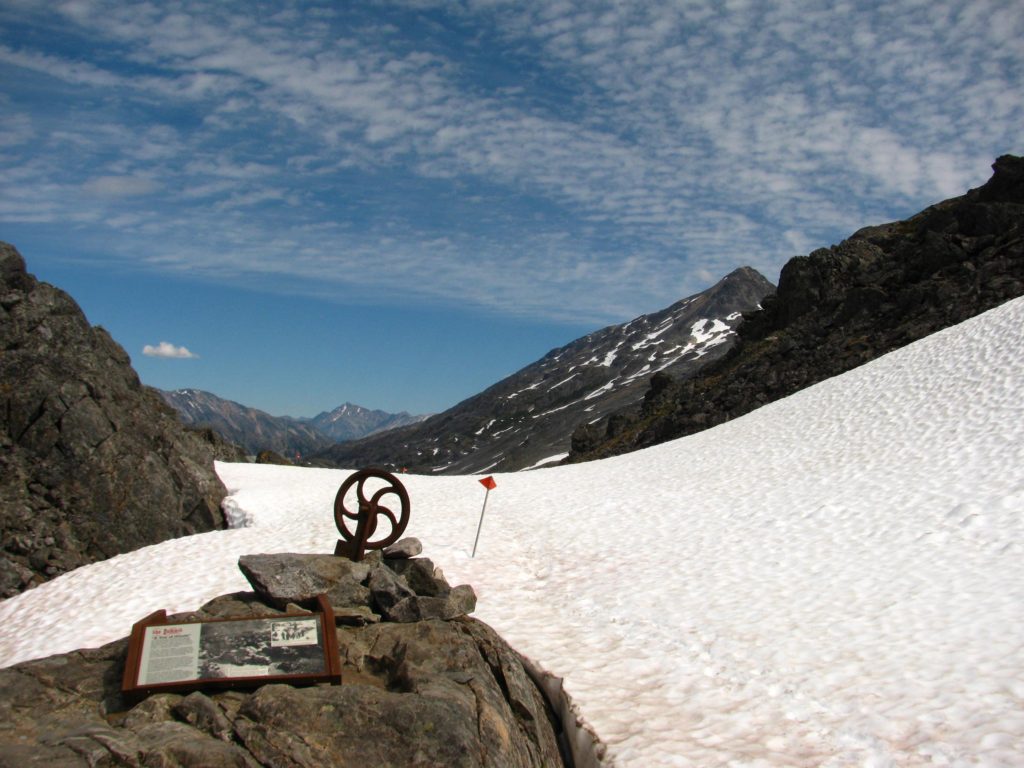
This historical park showcases the history of the Klondike Gold Rush in Alaska and Canada. Thousands of people came here in search of gold and riches, and only a handful of lucky travelers achieved their dream.
To see what these adventurers experienced, you can hike the Chilkoot Trail into Canada and trace their footsteps. Steeped in history, the extremely challenging hike also showcases incredible scenery.
How to Get There: You can drive to Skagway by driving from Alaska or the Lower 48 through Canada via the Alaska Highway and the Klondike Highway. Most visitors arrive in Skagway on cruise ships. You can also take a ferry to Skagway from various ports.
Map: download here
Things to Do: Backpacking, hiking, museum
Park Entrance Fee: None
Where to Stay: Westmark, White House, Skagway Inn
Official Website: click here
Speak to a Park Ranger: Call (907) 983-9200
Kobuk Valley National Park
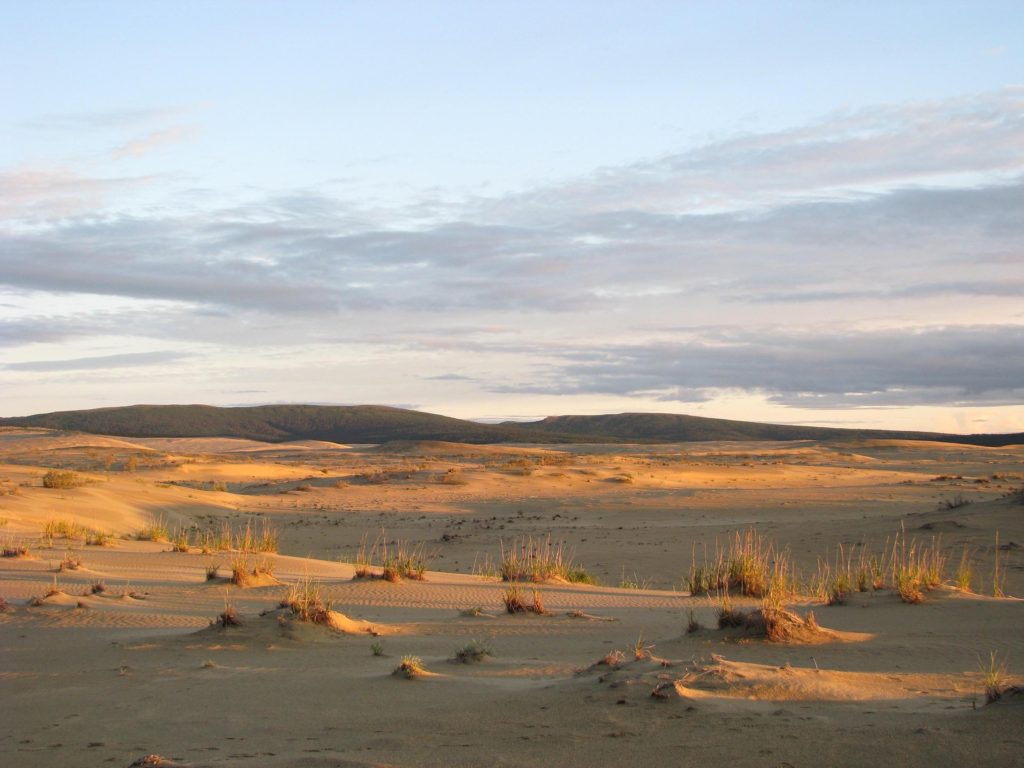
Kobuk Valley National Park is one of the most unique national parks in Alaska as well as the United States.
This isolated park protects the continent’s northernmost sand dunes. They were formed during two periods of glaciation when large tracts of ice compounded rock to sand and left the remnants. Strong winds continue to bring sand to the current location.
If you visit in June or July, prepare for large quantities of mosquitoes and other insects. The best time to visit is from June to September.
If you’re floating the Kobuk River, call and ask about conditions before you arrive. Some years, the river is still frozen in June!
How to Get There: You can fly to Kobuk Valley from Kotzebue or float in on the Kobuk River. Flights depart from Anchorage to Kotzebue daily. Only authorized companies may operate in the park. Planes with the appropriate wheels can land directly on the dunes. Alternatively, you can take a floatplane, land in the river, and hike two miles to the sand dunes.
Map: download here
Things to Do: Backpacking, boating, camping, fishing, flight-seeing, hiking
Park Entrance Fee: None
Where to Stay: There are no lodges within the park. The closest lodging is found in Kotzebue, Alaska.
Official Website: click here
Speak to a Park Ranger: Call (907) 442-3890
Lake Clark National Park and Preserve
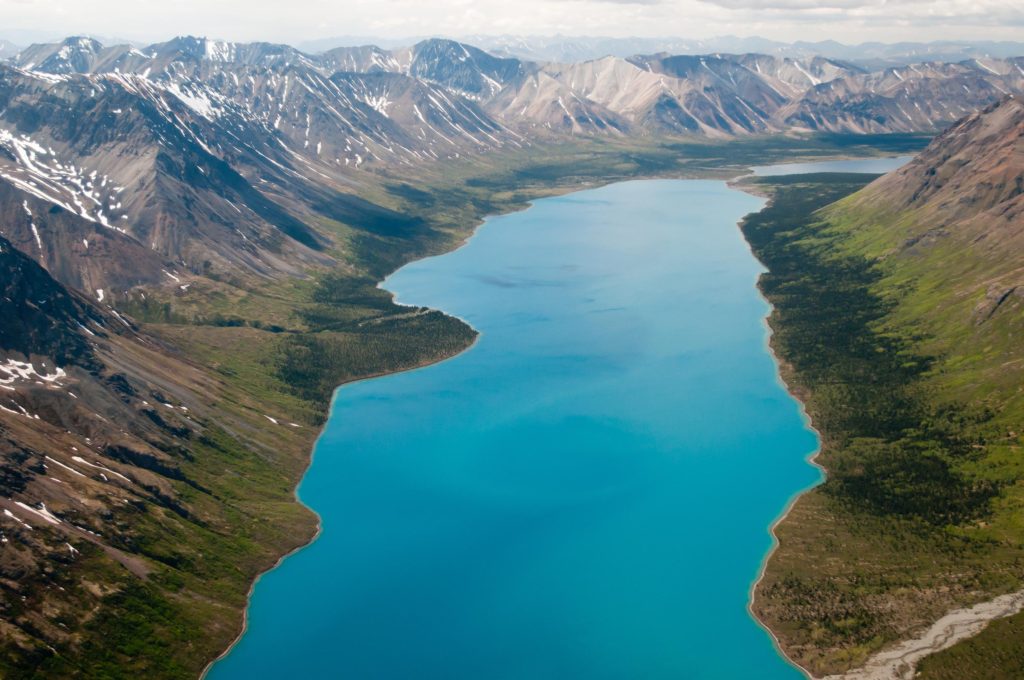
According to its official website, “Lake Clark preserves the ancestral homelands of the Dena’ina people, an intact ecosystem at the headwaters of the largest sockeye salmon fishery in the world, and a rich cultural wilderness.”
Residents still depend on the land here to survive, as do the local wild animals.
One of the highlights is stunning mountains reflected in the bright turquoise lakes you can find throughout the park’s wilderness.
Furthermore, travel into the backcountry and stay in a public use cabin for true solitude.
How to Get There: There are no roads to Lake Clark. Visiting requires flying from Anchorage to a nearby village such as King Salmon, then take another flight to Port Alsworth or the park’s backcountry.
Map: download here
Things to Do: Backpacking, bear viewing, birding, biking, camping, fishing, hiking, hunting, kayaking, rafting
Park Entrance Fee: None
Where to Stay: Lake Clark maintains multiple public use cabins.
Official Website: click here
Speak to a Park Ranger: Call (907) 644-3626
Noatak National Preserve
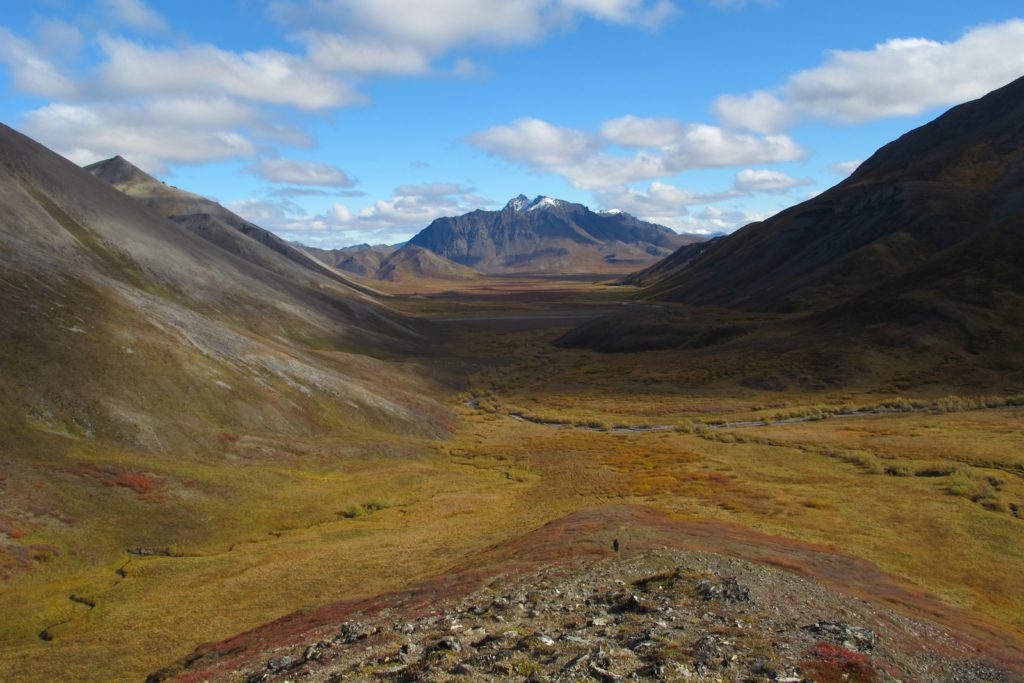
Noatak National Preserve is a backpacker’s dream. The preserve features one of the largest mountain-ringed river basins and some of the Arctic region’s most diverse plants and animals.
The Noatak River is also a Wild and Scenic River, leading from the Brooks Range through the preserve to the Chukchi Sea. The river is a prime territory for outdoor enthusiasts seeking a true wilderness experience.
How to Get There: You can fly to Noatak National Preserve from Kotzebue or Bettles. Daily flights are available from Anchorage to Kotzebue or Fairbanks to Bettles. From one of these villages, you’ll need to reserve an authorized air taxi.
Map: download here
Things to Do: Backpacking, camping, fishing, flight-seeing, floating, hiking, hunting
Park Entrance Fee: None
Where to Stay: There are no lodges within the park. The closest lodging is found in Kotzebue, Alaska.
Official Website: click here
Speak to a Park Ranger: Call (907) 442-3890
Sitka National Historical Park
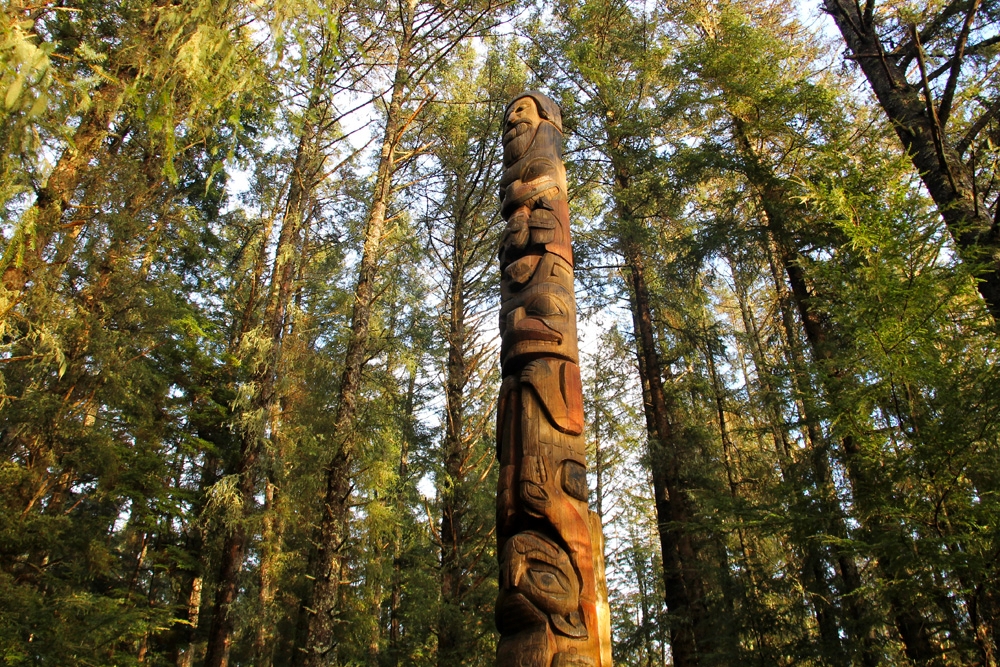
The grand elements of Sitka National Historical Park transport you back in time to a world colonialized by Russians. While attempting to force out the Tlingit people who called the island home, a horrific battle took place.
The park’s main attraction is the totem poles built by the Tlingit and Haida peoples. They line the scenic coastal trail leading you through historic Sitka’s stunning seaside views.
How to Get There: Sitka is located on Baranof Island in Alaska’s southeast archipelago, also known as the Inside Passage. You have to fly or take a boat to get there. Multiple ferries service the island and you can take flights from Juneau, Anchorage, and Seattle daily. Some cruise ships also stop here.
Map: download here
Things to Do: Fishing, hiking, totem pole viewing, view artists’ works
Park Entrance Fee: None
Where to Stay: Westmark, Aspen Suites, Sitka Hotel, Totem Square, Longliner Lodge
Official Website: click here
Speak to a Park Ranger: Call (907) 747-0110
Wrangell-St. Elias National Park and Preserve
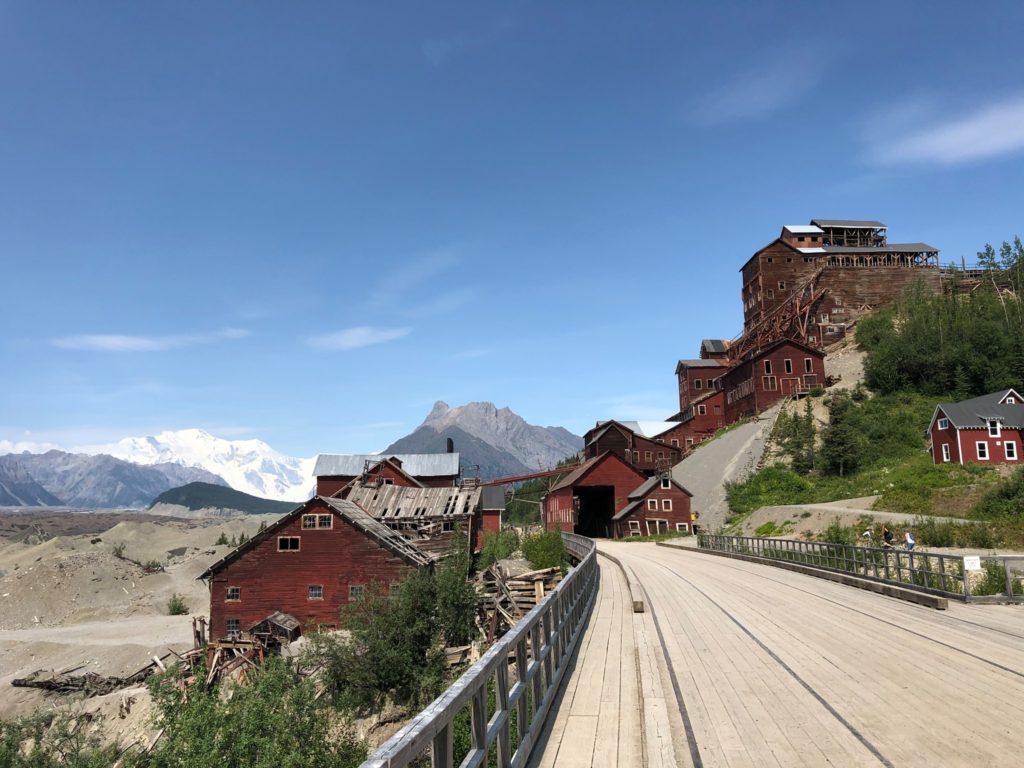
Wrangell-St. Elias is the largest national park in the country, and together with Glacier Bay and two Canadian parks, it forms one of the largest internationally protected areas. It is a truly special place of awe and wonder.
Here, you’ll find incredible wilderness paired with a unique history. The town of Kennecott hosted a large copper mining operation, pictured above. Today, some of the park’s best hiking trails lead you to the old mines.
How to Get There: Portions of Wrangell-St. Elias National Park are on Alaska’s road system. You can drive to Copper Center, the park’s headquarters, from Anchorage or Fairbanks. From there, you can drive further into the park on one of its two dirt roads to Nabesna or McCarthy. There are shuttle bus companies operating in the park to help you get around.
Map: download here
Things to Do: Backpacking, day tours, fishing, floating, hiking, hunting, mountaineering, wildlife viewing, winter activities
Park Entrance Fee: None
Where to Stay: McCarthy Cabins, Sawing Logzz, Klutina Kate’s, Caribou Cabin
Official Website: click here
Speak to a Park Ranger: Call (907) 822-5234
Yukon-Charley Rivers National Preserve
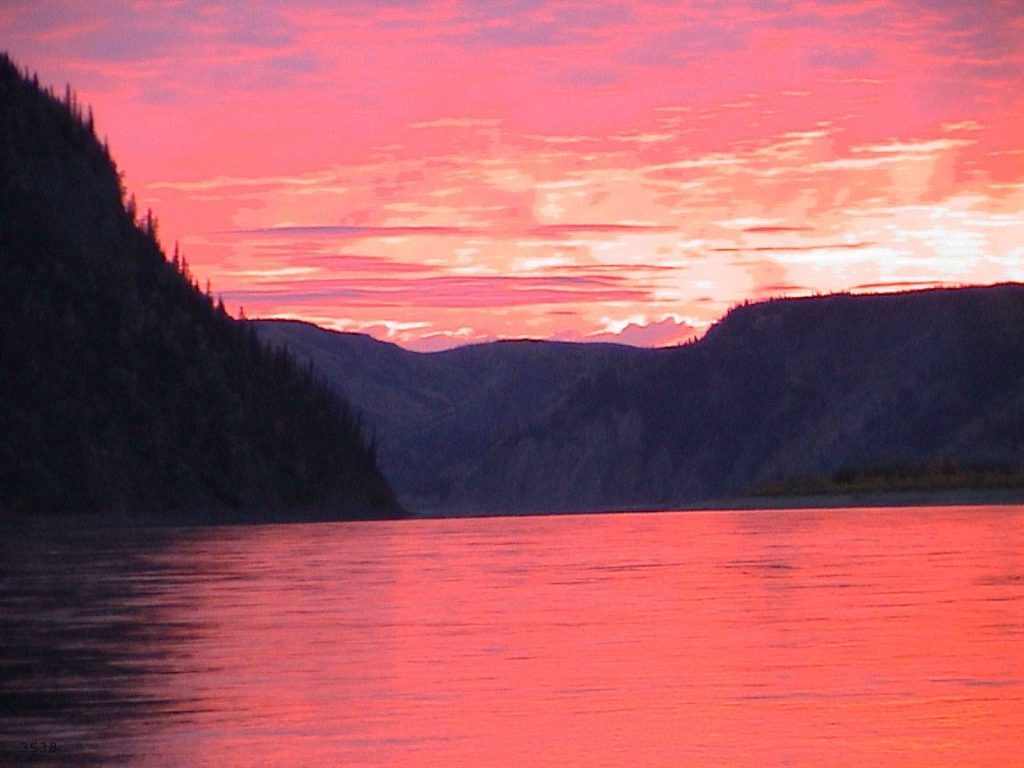
This preserve protects two incredible river systems: the historic and vital Yukon and the rapid Charley.
It also focuses on preserving various wildlife, plants, geology, history, and cultural use. While floating down the mighty Yukon, one can’t help but imagine what it must have been like to do the same centuries before.
The Yukon Quest sled dog race also passes through, utilizing the Slaven’s Roadhouse as a dog drop point and rest stop.
How to Get There: There are no roads to the preserve. However, you can drive to the towns of Circle or Eagle to fly or float into the preserve. Furthermore, you can access the Yukon River along other roadways in Alaska and Canada, such as the Dalton and Top-of-the-World highways.
Map: download here
Things to Do: Camping, dog mushing, fishing, floating, hiking, hunting, winter activities
Park Entrance Fee: None
Where to Stay: The park hosts a number of public-use cabins.
Official Website: click here
Speak to a Park Ranger: Call (907) 459-3730. You can also visit the Morris-Thompson Cultural Center in Fairbanks or the visitor center in Eagle.
Pin All 16 National Parks in Alaska






These look amazing! So many of these are on my list for places I want to visit! I especially want to see the old mine near McCarthy. Thanks for the info!
McCarthy is one of my favorite places! I hope you get to see it one day.
I’ve only been to the one in Sitka. I’d love to visit Denali!
I’m hoping to visit Sitka soon!
Fantastic round-up Riley!
I just saw a bunch of photos from a work friend’s trip to Denali National Park last summer, the whole area looks amazing. She explained how the park bus system works, and it all sounds really accessible, but super quiet!
It must have been amazing to work in Wrangell-St. Elias National Park.
It’s amazing how different Denali can be on the road compared to just one mile off of it. Alaska is breathtaking.
I’ve been dying to go to Gates of the Arctic ever since I saw a NatGeo special on it years ago!! But, honestly, after reading this I wanna visit all of them 🙂
They’re all so unique and special.