If you’re looking for an amazing and unique outdoor adventure, look no further than Dry Tortugas National Park!
This beautiful park is located in the Florida Keys in the Gulf of Mexico, about 70 miles from Key West. It is best known for its stunning coral reefs, crystal-clear waters, historic fort, and a plethora of bird species.
But when is the best time to visit Dry Tortugas National Park? Keep reading to find out!
Here, we’ll tell you everything you need to know about visiting Dry Tortugas National Park, including the best time to go, weather information, and how to get there!
This post may contain affiliate links. If you make a purchase, I may earn a small commission at no additional cost to you. For more information, view my privacy policy.

Table of Contents
Dry Tortugas National Park Facts
The park is at the westernmost edge of the third largest coral reef system in the world! Therefore, it houses some of the most pristine coral and marine life in the Florida Keys.
One of the best ways to experience the park is with an overnight stay. Camping on Garden Key is one of our favorite national park experiences!
The historic Fort Jefferson was a fort and prison during the Civil War. Its most famous prisoner was Dr. Samuel Mudd who assisted John Wilkes Booth after the assassination of President Abraham Lincoln. A tour of the fort is included with your ferry ticket.

There is only one visitor center on the remote island of Garden Key. There is also a visitor center at the Eco Discovery Center on the mainland in Key West. Park rangers are available at each location to assist with trip planning and answer questions.
There is a fee to enter the park, which is included with your ferry ticket. If you aren’t taking the ferry, you’ll need to pay $15 per person, which is valid for seven days. For convenience, we recommend buying your digital pass online before you arrive.

When visiting our national parks and public lands, please practice Leave No Trace principles. Plan ahead, choose durable surfaces for camping or hiking, dispose of all waste properly, leave everything you find, minimize campfire impacts, respect wildlife, and be considerate of other park visitors.
Best Time to Visit Dry Tortugas National Park
Here is an overview of the best time to visit Dry Tortugas National Park for specific conditions:
- You’ll experience the mildest weather in Dry Tortugas National Park in January, February, March, November, and December.
- On average, the warmest months are May, June, July, August, and September.
- The rainiest months are June, July, August, September, and October.
- The windiest months are November through February.
- The park is the most crowded from February through August.
As you can see, there are pros and cons to visiting Dry Tortugas National Park during each season. Ultimately, the best time to visit is whichever time of year works best for you, your schedule, and your preferences.

Here’s a detailed look at each season in Dry Tortugas National Park.
Visiting Dry Tortugas in the Spring
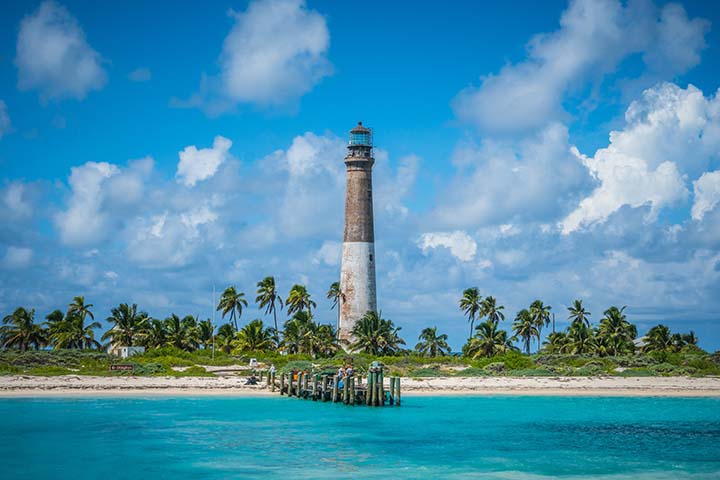
If you visit the series of small islands that comprise Dry Tortugas National Park in the spring, you’ll be treated to warm weather and cooler water temperatures.
The average temperature in the spring is around 83 degrees Fahrenheit (28 degrees Celsius).
Spring is also a great season for birdwatchers to visit the park, particularly in March.
One downside of visiting during this time is that there are often more crowds than usual. Spring break is a popular time for families to visit the park.
Read our tips for a successful day trip to Dry Tortugas National Park!
Visiting Dry Tortugas in the Summer
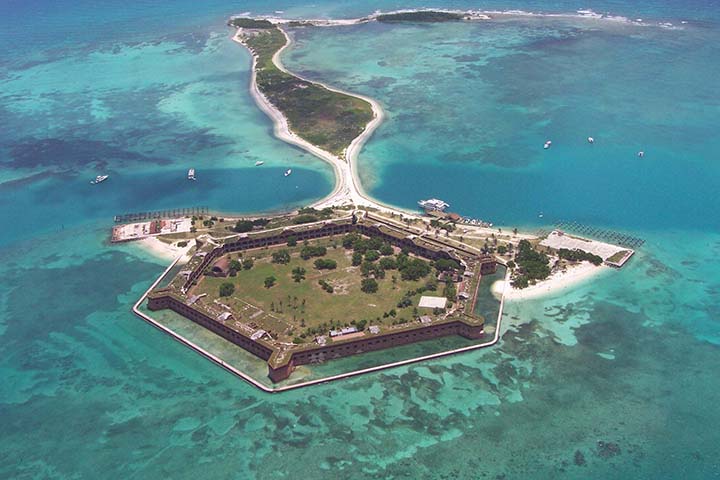
The summer is the busiest time of year at Dry Tortugas National Park. The average temperature during this time is around 89 degrees Fahrenheit (32 degrees Celsius).
While the weather is nice, it can often be too hot for some visitors. If you do visit during the summer, be sure to drink plenty of water and take breaks in the shade. You can also cool off in the ocean waters.

The summer season, which lasts from June to November, is warmer and more stable, with clear skies and little wind. However, severe storms, such as hurricanes, are a possibility this time of year.
The summertime tropical storm season, which extends from June 1 through November 30, has a higher chance of isolated storms (including typhoons and hurricanes). This could result in trip cancelations as well.
Even if there is no direct impact, hurricanes can have a long-term influence on the park. Information about park closures and other hurricane-related effects will be posted on the park’s website.
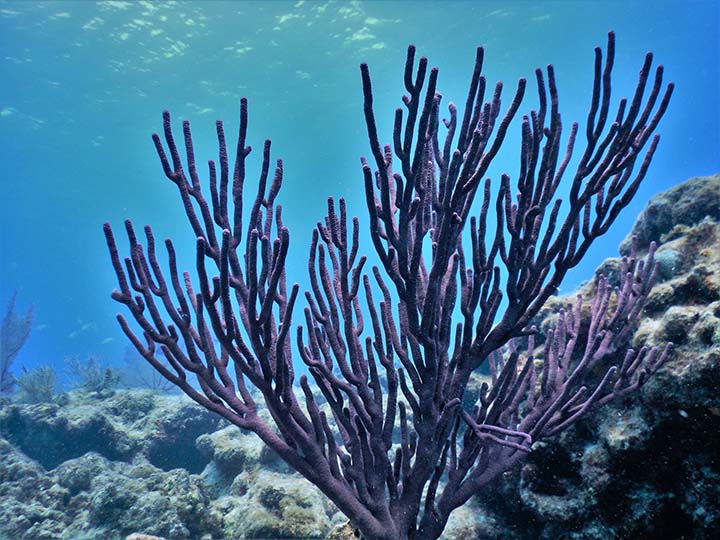
However, if you’re looking for the best snorkeling and diving conditions, we recommend visiting during the summer months. The warm and crystal clear water are perfect conditions for seeing plenty of marine life. Be sure to pack plenty of sunscreen!
Between May and October, several species of sea turtles lay eggs on the beaches of Dry Tortugas. While you probably won’t see their nests, it’s a great time of year to keep your eye out for these marvelous creatures swimming nearby. The moat around Fort Jefferson is an excellent place to look for sea turtles.
Visiting Dry Tortugas in the Fall
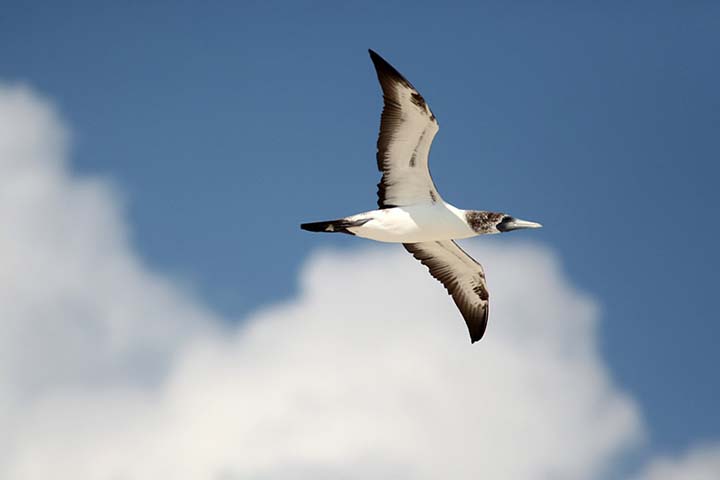
If you want to avoid crowds, fall is a great time to visit Dry Tortugas National Park. The weather is still warm, but not as hot as it is during the summer.
The average temperature in the fall is around 84 degrees Fahrenheit (29 degrees Celsius).
Avid birdwatches will want to visit in the fall for migration. October is particularly busy with the winged visitors. This is easily one of the best things to do in the park.
Because there are fewer visitors this time of the year, you may also find better pricing for accommodations nearby.
Visiting Dry Tortugas in the Winter
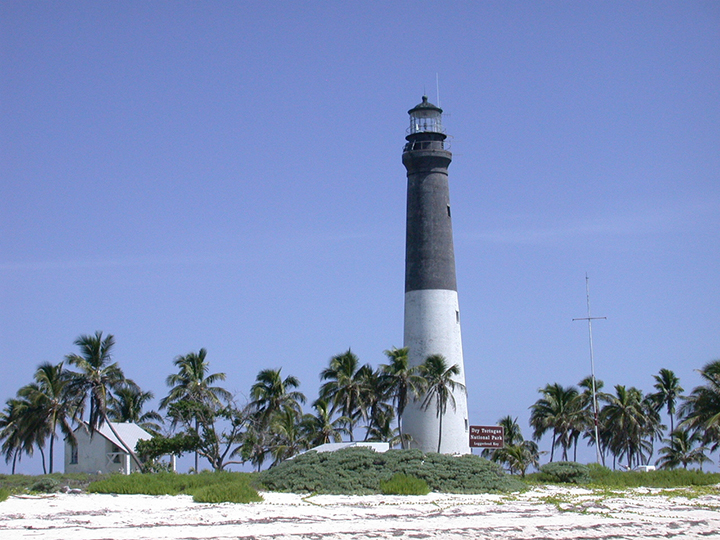
Winter is a great time to visit Dry Tortugas National Park, especially to avoid crowds and enjoy milder temperatures.
The winter season, which lasts from December through April, is characterized by rough seas, strong winds, and frequent storms. This stormy weather might make it difficult to reach Dry Tortugas, but if your priority is to avoid the tourists, the winter season is a fantastic time to visit.
The average temperature in the winter is around 75 degrees Fahrenheit (24 degrees Celsius).

Bush Key, a nearby bird sanctuary that is walkable from Garden Key, closes for the Sooty Terns nesting season from February through September. It’s also the only natural Sooty Tern colony in the United States! To visit, make sure you plan your trip in the winter.
This leads to problematic conditions for kayaking or snorkeling and can also cause seasickness on the ferry ride. At times, swells are so high that the ferry trip is canceled.
Read more of our favorite national parks to visit in winter!
Weather in Dry Tortugas National Park
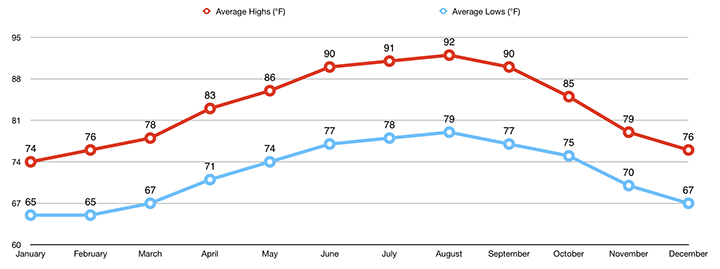
Due to its subtropical climate, the weather is warm year-round. Temperatures typically range from 60°F to 90°F. During the coldest months, nighttime temperatures could be as low as 50°F.
The weather conditions in the Dry Tortugas are comparable to many other tropical Caribbean island environments.

The subtropical climate brings hot and humid summers with frequent afternoon showers. It is not unusual for the temperature on the Dry Tortugas to exceed 90°F throughout the summer.
Summers are typically warm and humid, with temperatures ranging from the low seventies to the mid-eighties Fahrenheit.

While the summer hurricanes are not as destructive, they still pose a danger to the islands due to their unpredictability.
The winter months are significantly milder in temperature and drier in general. The winter season is chilly and dry, with a mean temperature of around 60 degrees Fahrenheit.
Visitors often remark on how lovely the weather is, though it is especially enjoyable during early spring due to the lack of extreme temperatures, rainfall, or gusty winds.
The best time to visit the Dry Tortugas is usually from February through April because the seas are calmer, the winds aren’t as strong, it’s less crowded, and there’s a smaller chance of rain. We recommend reserving tickets well in advance if you plan on coming during these months, especially if you’re hoping to camp.
How to Get to Dry Tortugas National Park
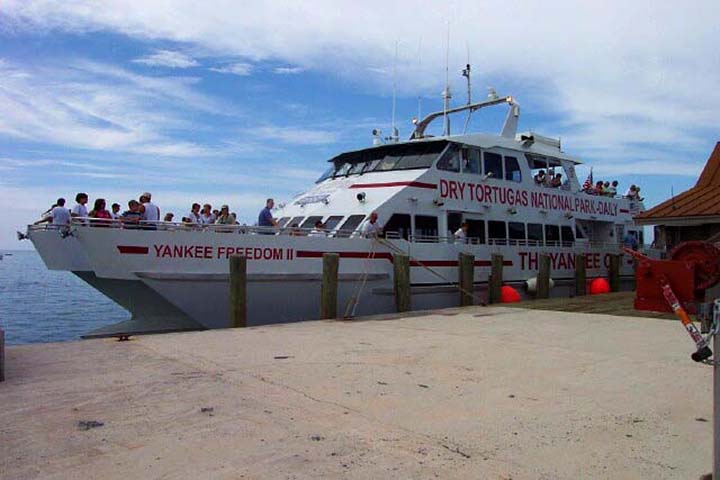
There are a few ways to get to Dry Tortugas National Park. The most popular options are a ferry from Key West or you can fly on a seaplane.
If you’re taking the ferry, we recommend booking your tickets in advance as they do sell out quickly, especially during the peak season. The Yankee Freedom ferry ride takes about two and a half hours and you’ll have plenty of time to enjoy the views along the way. The only official ferry with permission to dock at Garden Key is the Yankee Freedom III.
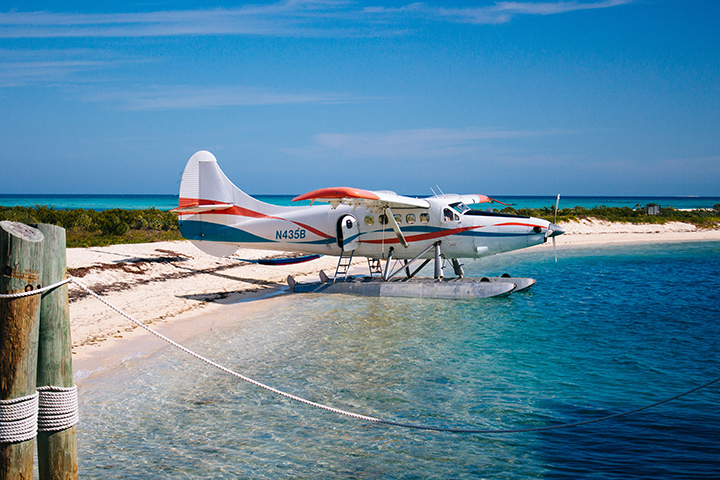
If you’re taking the seaplane, the flight is only about 30 minutes long. However, it is more expensive than the ferry service. You also don’t spend as much time on the island. You can book your tickets with Key West Seaplane Adventures.
You can also bring your own boat to the park. Having a boat while visiting Dry Tortugas National Park will let you explore the area more fully and discover all this natural wonder has to offer. Boat permits are required for all vessels entering the park and must be filed on Garden Key.

Another option is to book a charter boat. A variety of charters are also permitted to bring visitors to the park for tours and guided trips. Here’s a quick list.
- Birdwatching: Wildside Nature Tours
- Diving and Snorkeling: Adventure Watersport Charters, Finz Dive Center, Makai, Worldwise Sailing Adventures
- Eco Tours: Natural Habitat Adventures, Finz Dive Center
- Fishing: Dreamcatcher Charters, Eddie’s Fish Chartering, Fish Monster, Hillbilly Hookers, Ralph Thoren, SilverSides, Stephanie Fleet
- Motorized Tours: Take Me There Sailing
- Photography: Ray Hennessy Wildlife
What to Bring to Dry Tortugas National Park

Due to the park’s remote location, planning and preparation are key to a successful visit.
You’ll want to bring fresh water with you along with everything you’ll need for the day. The ferry service does include breakfast and lunch.
In addition to the items below, we strongly suggest bringing motion sickness medication along on the ferry.

- Hiking boots: Shoes that are good for hiking and have ankle support.
- Sunscreen: The UV rays in national parks can be intense, even on cloudy days.
- Bug spray: There are a lot of bugs in the park, especially near water sources.
- Yaktrax: Helpful for snowy conditions.
- Rain gear: The weather can change quickly, no matter the time of year or location. Bring a raincoat and/or umbrella just in case!
- Layers: Temperatures can fluctuate a lot, so it’s best to dress in layers.
- Snacks: There are limited food options inside the park, so bring your own snacks!
- Camera: You’ll want to capture the beauty of your national park in photos!
- Water bottle: Stay hydrated while hiking around the park!
- Hat: You’ll need protection from the sun and bugs.
- Binoculars: Bring binoculars if you want to view wildlife in the park.
- First-aid kit: You never know if you might get a cut or scrape while hiking.
- Flashlight: This is helpful for late-night hikes and stargazing!
- Map: Bring a physical map for navigating the park.

Dry Tortugas National Park Pennant

Fodor’s Guide to the 63 National Parks

Women’s National Parks Checklist T-Shirt

Women’s National Parks Checklist T-Shirt

Map of National Parks T-Shirt

Dry Tortugas National Park Sticker

Dry Tortugas National Park Patch
Pin the Best Time to Visit the Dry Tortugas

Dry Tortugas National Park is an amazing place that everyone should visit at least once. The best time to visit really depends on your preferences.
During the shoulder seasons of February-April and October-November, the weather is milder and the crowds are smaller. Winter brings windy conditions while summer is the most crowded with the best weather for snorkeling.
What’s your favorite thing about Dry Tortugas National Park? Let us know in the comments below.
Safe travels!