Montana is a beautiful state with many opportunities for outdoor recreation and adventure, but did you know there are more than two national parks in Montana to explore? Montana has some of the most spectacular national parks in the country. From Yellowstone to Glacier National Park, there are so many amazing destinations waiting for your visit. In this post, we will introduce you to all of the Montana national parks, including descriptions, where to stay, and what they have to offer visitors like you.
This post contains affiliate links.
Table of Contents
Map of Montana National Parks

National Parks in Montana Road Trip Itinerary

Fly in/out: Billings is the most convenient, but Great Falls or Bozeman would also work.
Day 1: Drive from Billings to Little Bighorn Battlefield National Monument and spend the day there (1-hour drive). Then, head south a bit and stay the night near Bighorn Canyon National Recreation Area (1-hour drive).
Day 2: Go hiking, paddling, or birdwatching in Bighorn Canyon National Recreation Area.
Day 3: Head to Yellowstone National Park (3-hour drive). Spend as many days here as you’d like. We’ll assume you’re following my Yellowstone itinerary and staying for 4 days to make the best of your time in the world’s first national park.
Day 7: Drive to Big Hole National Battlefield (3.5-hour drive) and spend the day there.
Day 8: Visit Grant-Kohrs Ranch (2 hours from Big Hole) on your way to Glacier National Park (4 hours from Glacier). Spend a few days in Glacier National Park.
Day 11: Last but least, head out to Bear Paw Battlefield, the Montana unit of Nez Perce National Historical Park (3.5 hours from Glacier). Then, continue back to Billings for your flight home (3.5-hour drive).
Complete List of National Parks in Montana

Big Hole National Battlefield
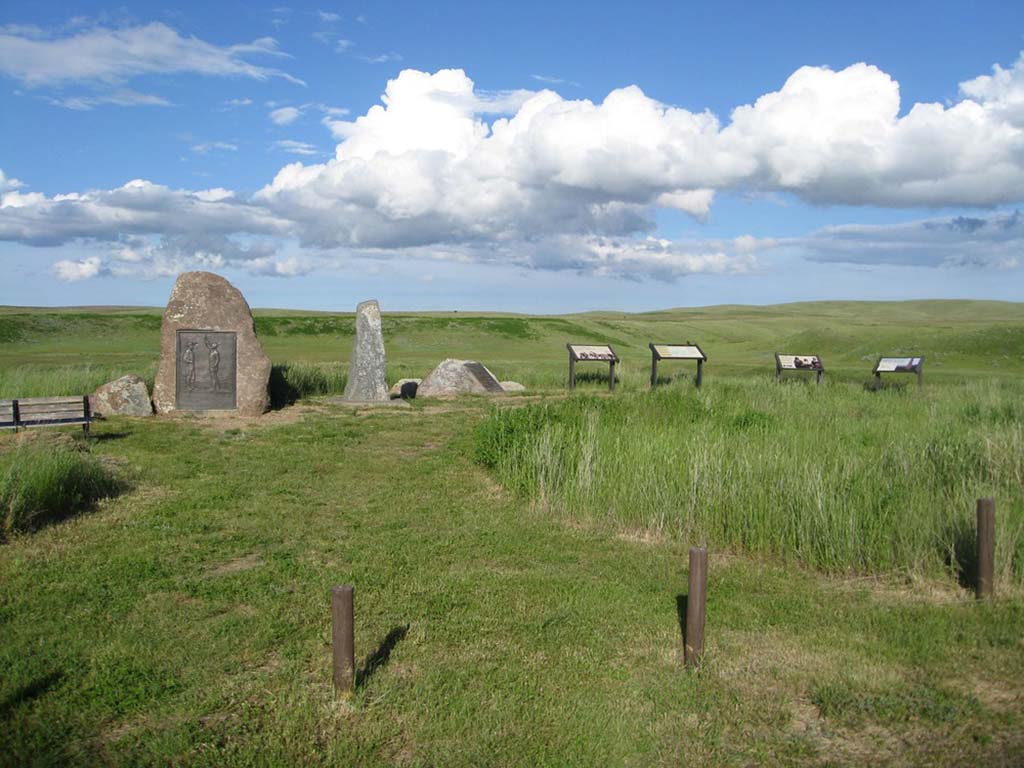
Big Hole National Battlefield tells the story of an attack on a sleeping camp of Nez Perce Indians. On August 9, 1877, U.S. troops surprised and killed 90 Native Americans. Only 31 soldiers and volunteers were killed.
This site offers a lot to both historians and nature-lovers alike. The Battle of Big Hole was one of the last battles between American Indians and the U.S. Army until Chief Joseph surrendered at Bear Paw Mountain.
It is located right off Highway 93, about an hour and a half south of Butte and it spans over 750 acres in the Pioneer Mountains.
How to Get There: Click here
Map: Click here
Things to Do: Hiking, ranger programs
Park Entrance Fee: None
Where to Stay: Hampton Inn, La Quinta, Toad Hall Manor B&B, Copper King, Comfort Inn
Official Website: Click here
Speak to a Park Ranger: (406) 689-3155
Bighorn Canyon National Recreation Area

Bighorn Canyon National Recreation Area is an amazing place for outdoor enthusiasts. It spans over 100,000 acres of the Rocky Mountains and it offers incredible views of wildlife, towering cliffsides, alpine forests with wildflowers in season, plus much more!
This location also has plenty to offer visitors interested in history – there are many archaeological sites in the area. Park rangers also give guided tours of historic ranches in the area.
All of that aside, the main draw of this Montana national park is the water. Visitors love coming here to go boating or paddling.
The park is spread across both Montana and Wyoming. There’s a visitor center in each state, including one in Fort Smith, Montana.
How to Get There: Click here
Map: Click here
Things to Do: Boating, hiking, fishing, guided tours, hunting, picnicking
Park Entrance Fee: None
Where to Stay: Holiday Inn, Hampton Inn, Northern Hotel, Boothill Inn, Vegas Hotel
Official Website: Click here
Speak to a Park Ranger: (307) 548-5406
Fort Union Trading Post National Historic Site
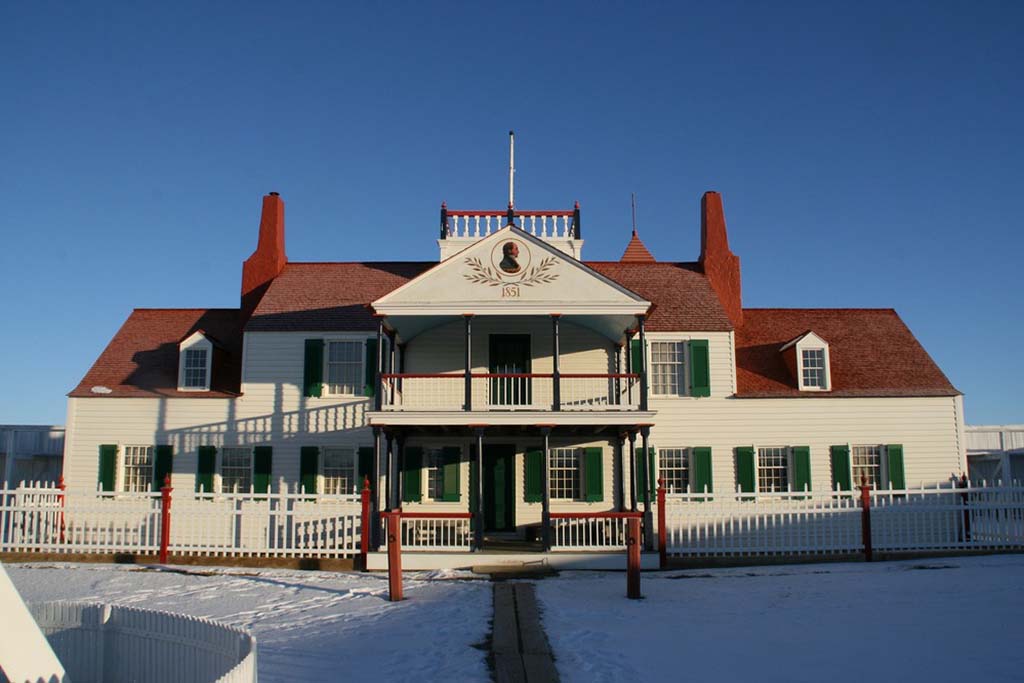
Fort Union Trading Post National Historic Site is a national historic site in the states of Montana and North Dakota. It was founded as an outpost on July 31, 1828 by Manuel Lisa and Robert Campbell to trade with Native American tribes for furs. Fort Union became one of the largest fur-trading posts west of St. Louis, and the most important.
It features a reconstructed trading post with two original buildings – one for trade and another for storage. Fort Union Trading Post was also home to Native American tribes in 1828 – this site offers an excellent insight into what life was like for them, with a museum and videos.
The Fort Union Trading Post National Historic Site is the best-preserved example of an early fur trading post in Montana. It has been restored to look just as it did when Manuel Lisa first arrived here on July 31st, 1828. The fort offers visitors many opportunities to explore Montana’s history and learn more about the Native American tribes who made this place their home.
Note: Pay close attention to the time when you visit. Since the site is located in both Montana and North Dakota, there are two time zones.
How to Get There: Click here
Map: Click here
Things to Do: Museum, historic fort
Park Entrance Fee: None
Where to Stay: Holiday Inn, Quality Inn, El Rancho Hotel, Clarion Hotel, Prairie Suites Motel
Official Website: Click here
Speak to a Park Ranger: (701) 572-9083
Glacier National Park
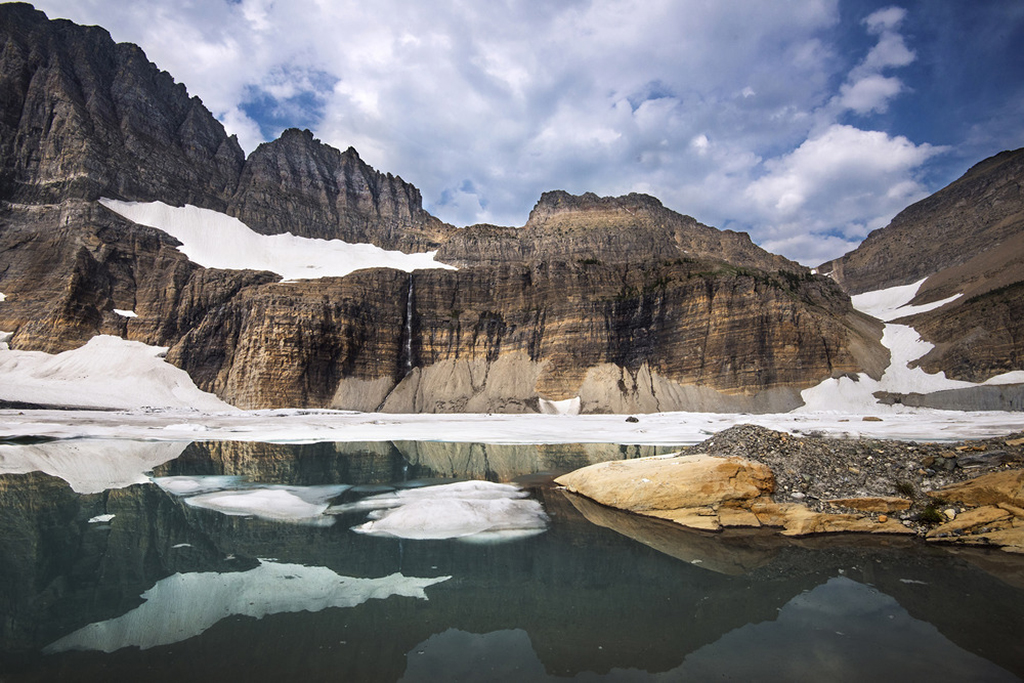
Glacier National Park is one of the most iconic places and national parks in Montana. It spans over 700,000 acres of mountains with deep valleys, waterfalls, spectacular alpine vistas, and glacier-fed lakes. Glacier National Park was established on May 11, 1910, making it one of the oldest national parks in America.
Visitors are able to explore this beautiful landscape for themselves with over 700 miles of spectacular hiking trails. The best time to visit, especially for hikers, is from June to September. It’s also one of the best national parks for wildlife viewing, so bring your camera and your binoculars.
How to Get There: Click here
Map: Click here
Things to Do: Hiking, camping, backpacking, ranger programs, bicycling, guided tours, fishing, boating, skiing
Park Entrance Fee: $35/vehicle, $30/motorcycle, or $20/individual (valid for 7 days). Rates are less expensive in winter.
Where to Stay: Glacier Outdoor Center, Great Northern Resort, Scenic Forest Lodge
Official Website: Click here
Speak to a Park Ranger: (406) 888-7800

Glacier National Park Pennant

Fodor’s Guide to the 63 National Parks

Glacier National Park Puffy Blanket

Women’s National Parks Checklist T-Shirt

Women’s National Parks Checklist T-Shirt

Map of National Parks T-Shirt

Glacier National Park Sticker

Glacier National Park Pin

Glacier National Park Patch

63 National Parks Water Bottle

Moon Guide to Glacier National Park

Glacier Ornament

Glacier National Park Sticker

Glacier National Park Candle

Glacier National Park Logan Pass Puzzle

Glacier National Park Map
Grant-Kohrs Ranch National Historic Site
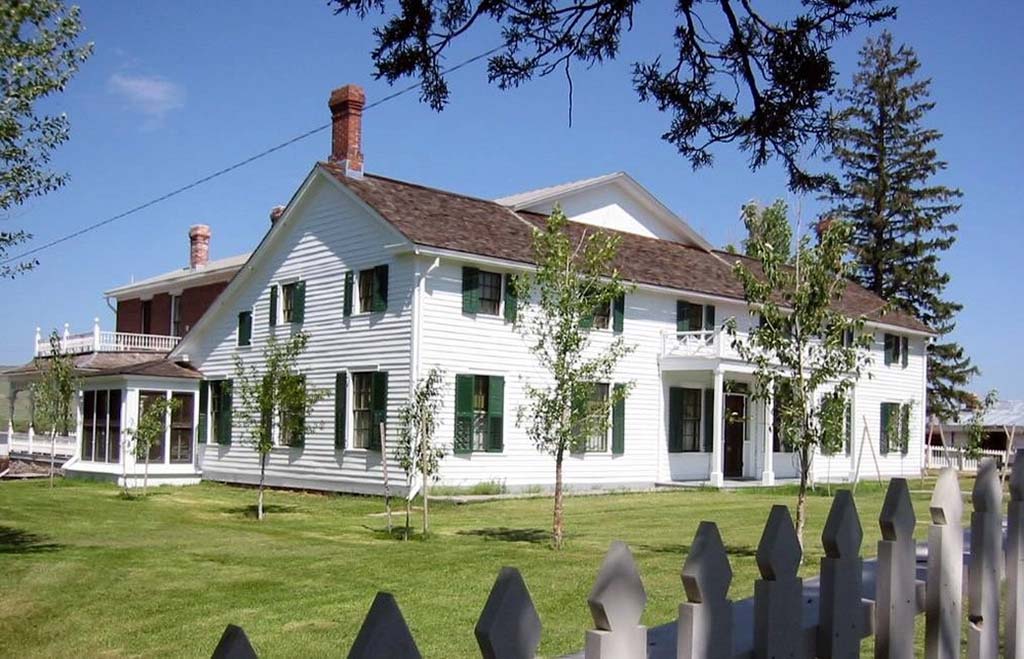
The Grant-Kohrs Ranch National Historic Site is located in Deer Lodge, Montana. It spans over 500 acres of meadows and wooded areas with historic buildings that can be toured with park rangers. The site focuses on the important role cattlemen played in the history of America.
This national historic site was established as the country’s first federal cultural preservation project on June 25, 1966. Visitors will find themselves surrounded by deer, bighorn sheep, and elk in addition to the farm animals.
One of the most unique national parks in Montana, Grant-Kohrs Ranch aims to preserve the symbols of the American West.
How to Get There: Click here
Map: Click here
Things to Do: Museum, hiking, guided tours, ranger programs
Park Entrance Fee: None
Where to Stay: Travelodge
Official Website: Click here
Speak to a Park Ranger: (406) 846-2070 x250
Little Bighorn Battlefield National Monument
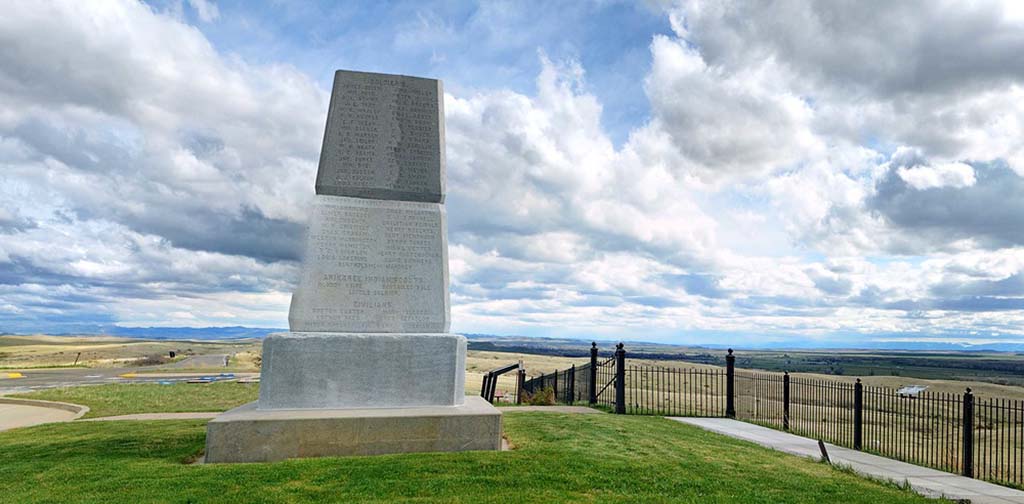
Little Bighorn Battlefield National Monument is located near Crow Agency, Montana. It spans over 3000 acres and is the site where General George Custer led an attack against a group of American Indians on June 25 and 26, 1876. The massacre resulted in over 250 dead soldiers after fighting thousands of Lakota and Cheyenne peoples.
The soldiers killed included General George Custer who fell on what is now referred to as Last Stand Hill. You can visit his grave, and the graves of all soldiers and indigenous peoples killed, when you visit.
This park tells an important story about how America became what it is today and visitors are encouraged to take their time in learning about the story and its history.
How to Get There: Click here
Map: Click here
Things to Do: Hiking, guided tours, museum
Park Entrance Fee: $25/vehicle, $20/motorcycle, or $15/individual
Where to Stay: Holiday Inn, Hampton Inn, Northern Hotel, Boothill Inn, Vegas Hotel
Official Website: Click here
Speak to a Park Ranger: (406) 638-3216
Nez Perce National Historical Park

Nez Perce National Historical Park is located mainly in Idaho, however, there are also locations in Washington, Oregon, and Montana. The site in Montana is called Bear Paw Battlefield. It’s one of the most important national parks in Montana that interprets Native American history.
Bear Paw Battlefield marked the end of the Nez Perce Flight of 1877. After a 1,100 mile journey and five days of fighting, the Nez Perce Chief Joseph surrendered here. The Nez Perce were trying to flee to Canada to escape the siege of Americans, but surrendered just 40 miles short of the border.
“From where the sun now stands, I will fight no more forever.”
Upon your visit, please remember to respect sacred ground.
How to Get There: Click here
Map: Click here
Things to Do: Tours, museums
Park Entrance Fee: None
Where to Stay: Quality Inn, Super 8, Best Western Plus, AmericInn, Best Western Plus, Siesta Motel
Official Website: Click here
Speak to a Park Ranger: (208) 843-7001
Yellowstone National Park

Just a small portion of Yellowstone can be included in this list of Montana national parks, as the park is mostly in Wyoming with other small sections in Idaho. However, one of the most iconic Yellowstone entrances is located in Montana: The Roosevelt Arch, pictured above. Furthermore, the quaint towns of West Yellowstone and Gardiner, gateways to the park, are also located in Montana.
When you visit, enjoy the different ecosystems, such as forests, meadows, wetlands, and geothermal areas with boiling mud pits, geysers, and hot springs. There are also many different species of animals that can be found here such as grizzly bears, bison, and elk.
Established as the world’s first national park, Yellowstone is a symbol of awe and wonder.
How to Get There: Click here
Map: Click here
Things to Do: Ranger programs, stargazing, scenic drives, hiking, camping, backpacking, birdwatching, horseback riding, fishing
Park Entrance Fee: $35/vehicle, $30/motorcycle, and $20/person (valid for 7 days)
Where to Stay: Geyser Inn, Hibernation Station, Bar N Ranch, Absaroka Lodge, Comfort Inn, Tipi Hotel
Official Website: Click here
Speak to a Park Ranger: (307) 344-7381

Yellowstone National Park Phone Case

Yellowstone National Park Phone Case

Yellowstone National Park Map

Yellowstone National Park Pennant
Fodor’s Guide to the 63 National Parks

Fodor’s Guide to Yellowstone and Grand Teton
Women’s National Parks Checklist T-Shirt
Women’s National Parks Checklist T-Shirt
Map of National Parks T-Shirt

Yellowstone National Park Sticker

Yellowstone National Park Pin
63 National Parks Water Bottle

Yellowstone Hiking Guidebook

Yellowstone Ornament

Yellowstone National Park Sticker

Yellowstone National Park Candle

Yellowstone National Park Scrapbooking Stickers

Yellowstone Cross Stitch Kit

Yellowstone and Grand Teton National Parks Map
What to Pack for a Montana National Parks Trip
Packing for a trip can be tricky. Depending on the time of year, temperatures can range from over 90 degrees Fahrenheit during the day to 30 degrees once the sun goes down. If you’re visiting in the winter, it will likely snow. Here’s a list of things you may need, with some items varying based on the season you decide to visit.
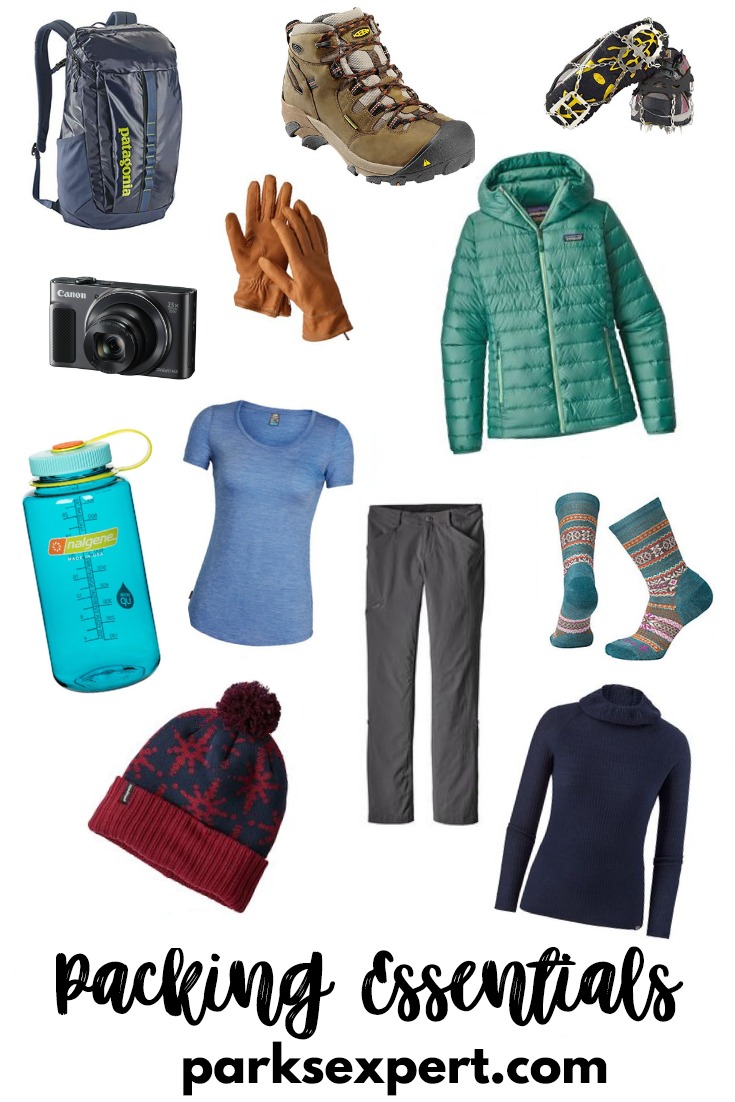
- Reusable Water Bottle: Literally the most important thing to have in the national parks. It’s also a good idea to bring a water filter.
- Moisture-wicking Layers: You’ll want short- and long-sleeve shirts to wear underneath your jacket. In the summer, you may also want a tank top. Choose polyester over cotton. It’s also good to have wool or synthetic clothing to layer (and dry clothes to sleep in).
- Jacket: I always have a packable down with me on trips. I also love this new jacket I got a few months ago, as it’s very light yet warm. Synthetic is a good alternative to down if you’re worried about rain or snow.
- Rain Gear: It rains a lot here, so a rain jacket and pants are essentials.
- Hiking Pants or Shorts: My favorite hiking pants can be found here. As a taller woman, I also love Columbia’s pants because they offer long sizes.
- Hat: Depending on the season, you’ll need a winter hat or summer hat.
- Gloves or Mittens: Gloves are critical if you’re visiting in the winter.
- Wool Socks: Smartwool is my favorite brand for wool socks. Make sure to get wool so your feet stay warm and dry.
- Grippers, Spikes, or Crampons: If you plan to hike in the winter, I strongly recommend grippers for potentially icy trails. Come prepared and avoid the fall!
- Camera: I had my trusty Canon Rebel T5i, my Canon Powershot SX620, and a GoPro with me on my most recent trip to Colorado.
- Tripod: If you’re hoping to take decent photos of the slot canyons, sunsets, or wildlife, I’d strongly recommend carrying a tripod with you.
- Shoes: For hiking, I love my Keens, and will never choose another brand for my everyday boots. In winter, I choose a much warmer pair of Solomon boots. Lightweight camp shoes like Crocs are my favorite. You’ll also want waterproof hiking boots or hiking shoes.
- Backpack: For daypacks, you could use a North Face pack or this water-resistant Patagonia pack. For backpacking, you’ll want a larger pack.
- Packing Cubes: Never find yourself unorganized or frantically searching for missing items ever again with these. Plus, it’ll help you squeeze more into your bag!
- Travel Scarf: I love the ones with hidden pockets!
- Map: Detailed topographic maps and a good overview map
- General Camping Gear: Compass, first-aid kit, high-calorie food, shelter, sleeping bag and pad, campstove and fuel, and an emergency signaling device
Pin National Parks in Montana
There are many amazing places in Montana that offer outdoor activities and history, but the national parks in Montana are some of the best places to see. There is plenty to learn about America in the Montana national parks, from its first cultural preservation area to the battlefield where General George Custer lost his life.
There are many natural wonders and of course, a lot of history. Whether you want to see majestic wildlife or enjoy some outdoor time, the national parks in Montana are full of interesting places that visitors from all over the world can explore.
Explore National Parks in Nearby States