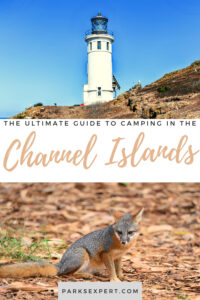
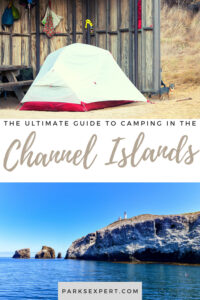
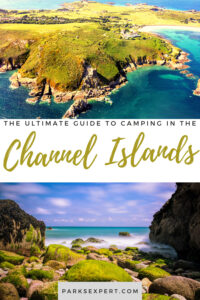
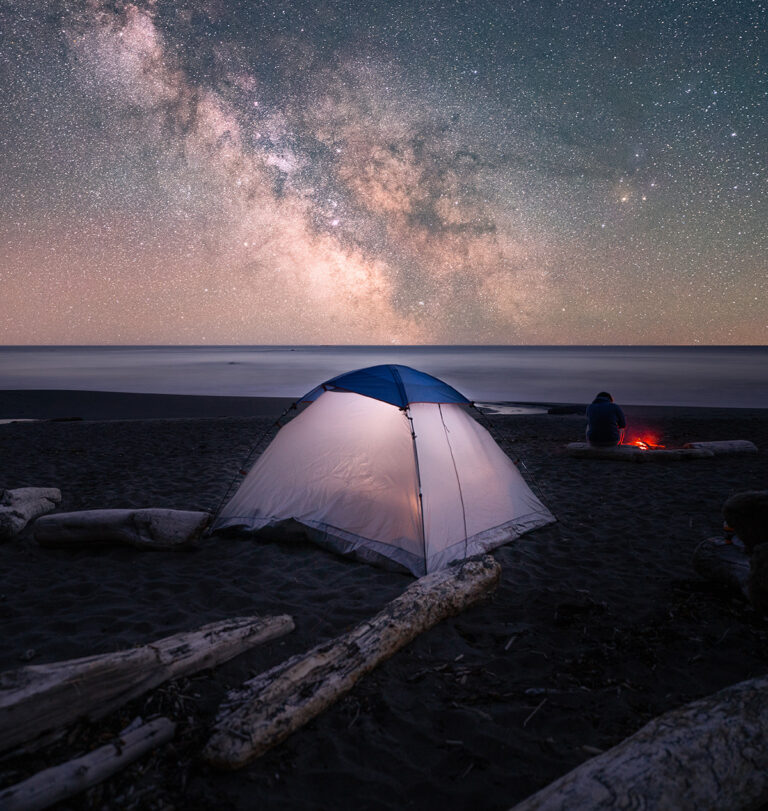
A beautiful national park awaits off the coast of Ventura County in Southern California. If you’re interested in a remote experience away from crowds and civilization, then you’ll love your Channel Islands camping trip. Camping in Channel Islands National Park is a unique experience that other national parks simply cannot replicate.
Booking a Channel Islands camping trip can be difficult and confusing. This Channel Islands Camping Guide will explore the various camping options to make your trip planning easy and smooth.
Last updated on August 10, 2021. This post may contain affiliate links.
Table of Contents
Channel Islands Camping Guide

Channel Islands National Park consists of five islands located off the coast of Southern California. The islands are Anacapa Island, Santa Cruz Island, San Miguel Island, Santa Rosa Island, and Santa Barbara Island. That’s right – the famous Catalina Island is not included in Channel Islands National Park. Each of the islands has campgrounds for visitors to utilize. On some islands (Santa Rosa and Santa Cruz), backpacking is also permitted.
The most popular campgrounds in Channel Islands National Park are on Anacapa Island, Santa Cruz Island, and San Miguel Island.
Another thing to keep in mind when camping at Channel Islands is the weather. Channel Islands National Park is set up with park rangers and volunteers who can answer questions about Channel Islands camping or anything else pertaining to your trip, including weather conditions. Give them a call at (805) 658-5730 if you have any questions. There’s also a visitor center near the ferry terminal.
If you want to get away from the crowds in the other California national parks, Channel Islands is a great option.
There are no food services available on any of the islands and many do not have potable water; be prepared to be self-sufficient.
What to Pack for Your Channel Islands Camping Trip
Camping in Channel Islands National Park is a great experience. With so much to do and see, it’s easy to get overwhelmed while planning your trip. So here we have some useful tips on what to pack for your Channel Islands camping trip.
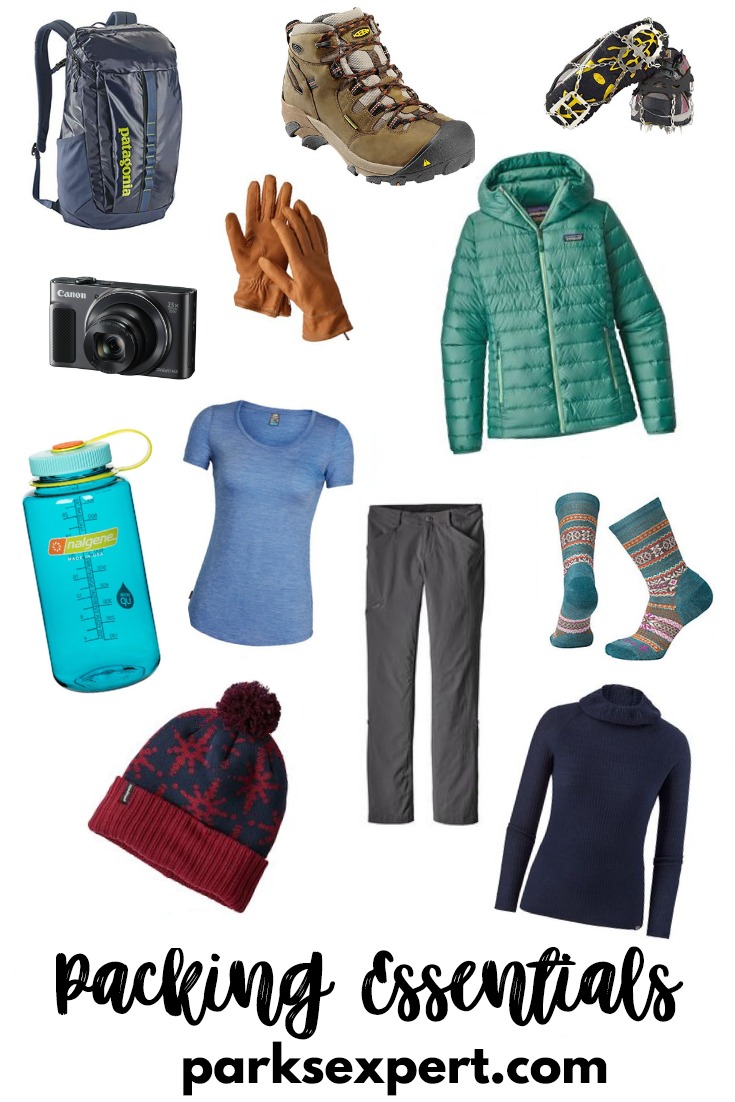
- Reusable Water Bottle: Literally the most important thing to have in the national parks. It’s also a good idea to bring a water filter.
- Moisture-wicking Layers: You’ll want short- and long-sleeve shirts to wear underneath your jacket. In the summer, you may also want a tank top. Choose polyester over cotton. It’s also good to have wool or synthetic clothing to layer (and dry clothes to sleep in).
- Jacket: I always have a packable down with me on trips. I also love this new jacket I got a few months ago, as it’s very light yet warm. Synthetic is a good alternative to down if you’re worried about rain or snow.
- Rain Gear: It rains a lot here, so a rain jacket and pants are essentials.
- Hiking Pants or Shorts: My favorite hiking pants can be found here. As a taller woman, I also love Columbia’s pants because they offer long sizes.
- Hat: Depending on the season, you’ll need a winter hat or summer hat.
- Gloves or Mittens: Gloves are critical if you’re visiting in the winter.
- Wool Socks: Smartwool is my favorite brand for wool socks. Make sure to get wool so your feet stay warm and dry.
- Grippers, Spikes, or Crampons: If you plan to hike in the winter, I strongly recommend grippers for potentially icy trails. Come prepared and avoid the fall!
- Camera: I had my trusty Canon Rebel T5i, my Canon Powershot SX620, and a GoPro with me on my most recent trip to Colorado.
- Tripod: If you’re hoping to take decent photos of the slot canyons, sunsets, or wildlife, I’d strongly recommend carrying a tripod with you.
- Shoes: For hiking, I love my Keens, and will never choose another brand for my everyday boots. In winter, I choose a much warmer pair of Solomon boots. Lightweight camp shoes like Crocs are my favorite. You’ll also want waterproof hiking boots or hiking shoes.
- Backpack: For daypacks, you could use a North Face pack or this water-resistant Patagonia pack. For backpacking, you’ll want a larger pack.
- Packing Cubes: Never find yourself unorganized or frantically searching for missing items ever again with these. Plus, it’ll help you squeeze more into your bag!
- Travel Scarf: I love the ones with hidden pockets!
- Map: Detailed topographic maps and a good overview map
- General Camping Gear: Compass, first-aid kit, high-calorie food, shelter, sleeping bag and pad, campstove and fuel, and an emergency signaling device
More from Channel Islands

Channel Islands National Park Map

Fodor’s Guide to the 63 National Parks

Women’s National Parks Checklist T-Shirt

Women’s National Parks Checklist T-Shirt

Map of National Parks T-Shirt

Channel Islands National Park Sticker

Channel Islands National Park Patch

63 National Parks Water Bottle

Channel Islands National Park Sticker

California National Parks Face Mask
When to Visit Channel Islands National Park

While the park is open year-round, depending on what you want to see there are definitely better times to visit Channel Islands.
In summer, humpback and blue whales can be seen. It’s also a great time for water activities like snorkeling, kayaking, and swimming. This makes it the most popular season to visit. The most exciting part of summer is when sea lions give birth to their pups!
In autumn, whale watching ends as the whales migrate to warmer waters. However, this is also when the fall bird migration happens, so it’s a great time for birdwatching. The water tends to be most calm in the fall if you are prone to sea sickness.
Winter is the rainy season, so bring lots of rain gear if this is when you plan to visit. It’s not the best season for water activities, so it is generally less crowded. While many of the whales have moved on, gray whales may be seen. During my February visit, we were able to see some!
Finally, you could also visit in spring, my favorite season. The islands will turn bright green as wildflowers start to bloom and birds begin nesting. Furthermore, the island fox pups are born this time of year!
Learn More About Channel Islands National Park
Camping on Anacapa Island

To camp on Anacapa Island, you must have both a campground reservation and a ferry reservation. The campsites are located in the open, which means campers who stay here will be exposed to the elements on both warm and cool nights. There are not any trees or shade structures on this island so sleeping under the stars in your tent is the only way to go. Make sure you bring plenty of mosquito repellent!

Sites: 7
Services: Picnic table, food protection boxes, pit toilets
Need to Know: There is nearly no shade on Anacapa Island. Including 157 steps from the boat to the plateau, you’ll need to hike and climb about 1/2-mile to the campground with your gear. Furthermore, from April to August you’ll encounter rookery conditions when western gulls are mating. This will include large amounts of guano, a strong odor, and constant noise from territorial birds.
What to Bring: There is also no potable water or trash disposal; bring everything you need with you and plan to be entirely self-sufficient. This includes all food and water. Additionally, pack out everything you bring to the island. It is recommended that you bring your own toilet paper.
Ferry Cost: $42/adult, $39.50/senior (55+), $30.50/child (3-12) – subject to change
Camping Cost: $15/night
Camping on Santa Cruz Island

Santa Cruz is the largest island in California and about three times the size of Manhattan. It’s also home to Painted Cave, one of the largest sea caves in the world. Of all the Channel Islands, Santa Cruz has the most plant and animal species, including 60 that are endemic.
To camp on Santa Cruz Island, you must have both a campground reservation (at Scorpion Anchorage or Del Norte) and a ferry reservation.
Scorpion Anchorage Campground

Scorpion Anchorage Campground is the largest in Channel Islands National Park. Almost all of the campsites are set back from the hiking trails. They offer prime access to the trails while also providing solitude. If you’re hoping to see the endemic foxes while you visit, this is the Channel Islands camping experience for you.
Sites: 31
Services: Picnic table, food storage boxes, pit toilets, potable water
Need to Know: You’ll need to hike about 1/2-mile from the pier to the campground with your gear.
What to Bring: There is also no trash disposal or food services; bring everything you need with you and plan to be entirely self-sufficient. This includes all food. Additionally, pack out everything you bring to the island. It is recommended that you bring your own toilet paper.
Ferry Cost: $42/adult, $39.50/senior (55+), $30.50/child (3-12) – subject to change
Camping Cost: $15/night ($40/night for group sites)

Del Norte Campground
Del Norte is the only backcountry campground on Santa Cruz Island. There are almost no amenities here, so campers must bring everything that they will need.
Sites: 4
Services: Picnic tables, small food storage boxes, pit toilets
Need to Know: You’ll need to hike 3.5 miles from Prisoners Harbor or 12 miles from Scorpion Anchorage, depending on where your ferry docks. Del Norte is maintained as a backcountry campground.
What to Bring: There is no potable water at this campground; you will need to bring your own. You should also bring your own toilet paper.
Ferry Cost:$42/adult, $39.50/senior (55+), $30.50/child (3-12) – subject to change
Camping Cost: $15/night
Camping on Santa Rosa Island

Santa Rosa, the second largest island in California, offers a single campground. There are only 15 campsites here. The island hosts six endemic plant species and three endemic mammals in addition to a variety of reptiles and amphibians.
To camp on Santa Rosa Island, you must have both a campground reservation and a ferry reservation.
Sites: 15
Services: Wind shelter, picnic table, food storage box, flush toilets, potable water
Need to Know: This campground is located 1.5 miles from the pier and .25 miles from the airstrip.
What to Bring:
Ferry Cost: $60/adult, $55/senior (55+), $47/child (3-12)- subject to change
Camping Cost: $15/night
Camping on San Miguel Island

On Point Bennett, you’ll find up to 5 different pinniped species that make up over 30,000 individuals. It’s one of the largest concentrations of wildlife in the world. In fact, Channel Islands National Park is one of the best national parks for wildlife viewing.
To camp on San Miguel Island, you must have both a campground reservation and a ferry reservation.
Sites: 9
Services: Wind shelter, picnic table, food storage box, pit toilets
Need to Know: This campground is located 1 mile up a steep 400-foot canyon from the pier.
What to Bring: There is no potable water at this campground; you will need to bring your own. You should also bring your own toilet paper.
Ferry Cost: $84/adult, $78/senior (55+), $68/child (3-12)- subject to change
Camping Cost: $15/night
Camping on Santa Barbara Island

One of the world’s most rare seabirds, Scripp’s Murrelets, nest in the cliffs of Santa Barbara Island.
To camp on Santa Barbara Island, you must have both a campground reservation and a ferry reservation.
Sites: 10
Services: Picnic table, food storage box, pit toilets
Need to Know: This campground is located .25 miles from the pier. The walk includes a steep incline.
What to Bring: There is no potable water at this campground; you will need to bring your own.
Camping Cost: $15/night
Pin the Parks Expert’s Channel Islands Camping Guide
I hope this Channel Islands Camping Guide has helped those of you who are planning a trip or just had questions about camping in Channel Islands National Park. If anything remains unclear please feel free to comment below and I will be happy to answer any other questions you might have.