The national parks in Oregon are a treasure trove of natural beauty and diversity. From the coastal shores to the high desert, there is always room for discovery in some of the most breathtaking spots in the U.S. The Oregon national parks include national monuments, national historic sites, national parks, and more. Read on to learn more about the 5 national parks in Oregon.
Last updated on August 10, 2021. This post contains affiliate links.
Table of Contents
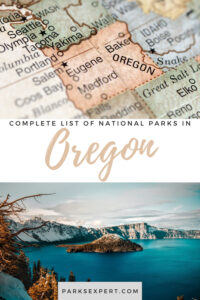
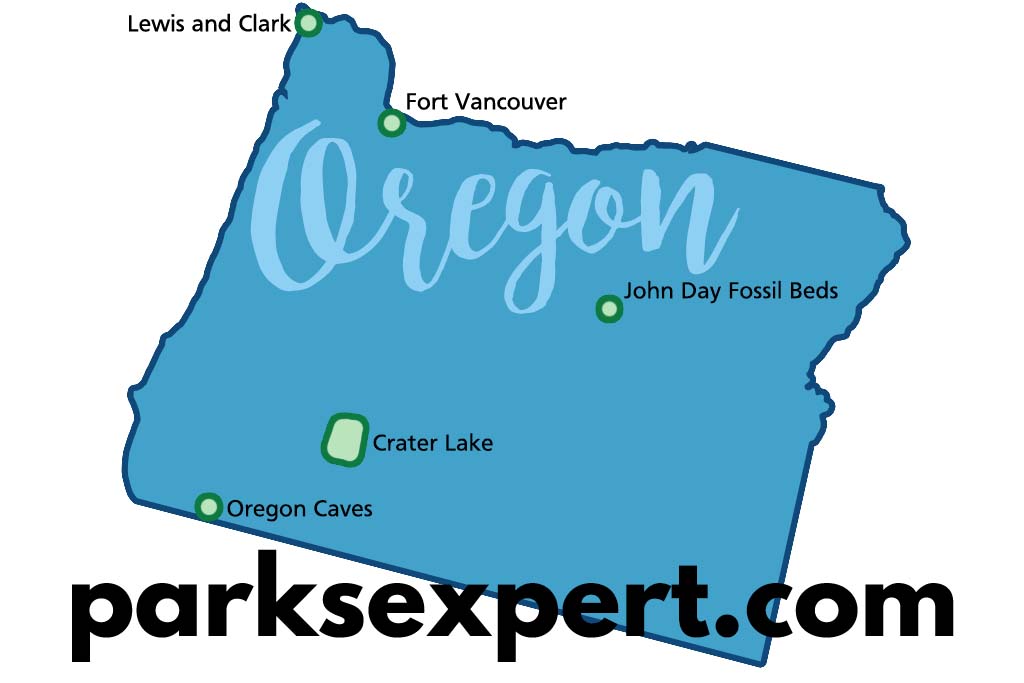
Map of National Parks in Oregon
National Parks in Oregon Road Trip Itinerary

Fly in/out: Portland
Day 1: Cross the border to visit the Fort Vancouver visitor center in Washington. Spend the day here before making your way to the coast.
Day 2: Spend the day exploring Fort Clatsop, where the Lewis and Clark Expedition reached the Pacific Ocean.
Day 3: Drive to the southern border of Oregon. If you want to take the scenic route instead of the quickest route, why not take the Pacific Coast Highway?
Day 4: Take a tour of Oregon Caves National Monument’s dark depths. Then, go for a hike.
Day 5: Drive to Crater Lake and drive the scenic Rim Drive.
Day 6: Spend the day hiking or partaking in a boat tour at Crater Lake.
Day 7: Drive northeast to John Day Fossil Beds National Monument. If time allows, spend the afternoon there. If not, save your exploration for the morning.
Day 8: After potentially spending the morning at John Day Fossil Beds, head back to Portland for your flight home.
Complete List of National Parks in Oregon

Crater Lake National Park

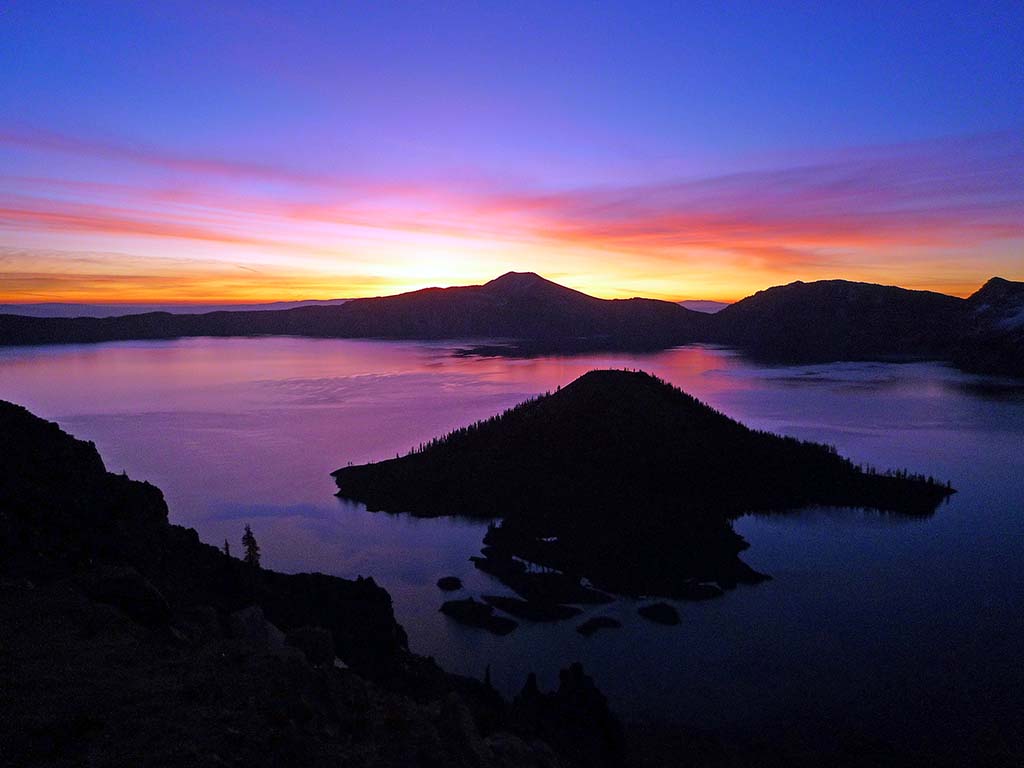
Crater Lake National Park is a United States National Park located in southern Oregon. The lake is the deepest in the United States with a depth of 1,949 ft (594 m). Crater Lake has the clearest water of any lake in the world. It is thought that this clear blue color comes from rocks and minerals dissolved in the water.
The park encompasses Rim Drive, a 32-mile scenic road that encircles the lake, which offers picturesque views of Crater Lake and panoramic vistas of Wizard Island, the caldera, and forested mountains.
Crater Lake National Park includes a number of hiking trails ranging from short strolls to more strenuous hikes that require several days plus backpacking trips into one of the park’s wilderness areas. There is also a prominent backpacking trail, the Pacific Crest Trail.
Crater Lake is the only National Park out of all the national parks in Oregon.
How to Get There: Click here
Map: Click here
Things to Do: Scenic driving, hiking, camping, backpacking, fishing, boat tours, bicycling, ranger programs
Park Entrance Fee: $30/vehicle; valid for 7 days
Where to Stay: Melitas Crater Lake, Heartline Ranch, Sleep Inn, Cimarron Inn, Best Western
Official Website: Click here
Speak to a Park Ranger: (541) 594-3000

Crater Lake National Park Phone Case

Crater Lake National Park Map

Crater Lake National Park Pennant

Fodor’s Guide to the 63 National Parks

Trails of Crater Lake and Oregon Caves Guidebook

Women’s National Parks Checklist T-Shirt

Women’s National Parks Checklist T-Shirt

Map of National Parks T-Shirt

Crater Lake National Park Sticker

Crater Lake National Park Patch

63 National Parks Water Bottle

Crater Lake Ornament

Crater Lake National Park Sticker
Fort Vancouver National Historic Site
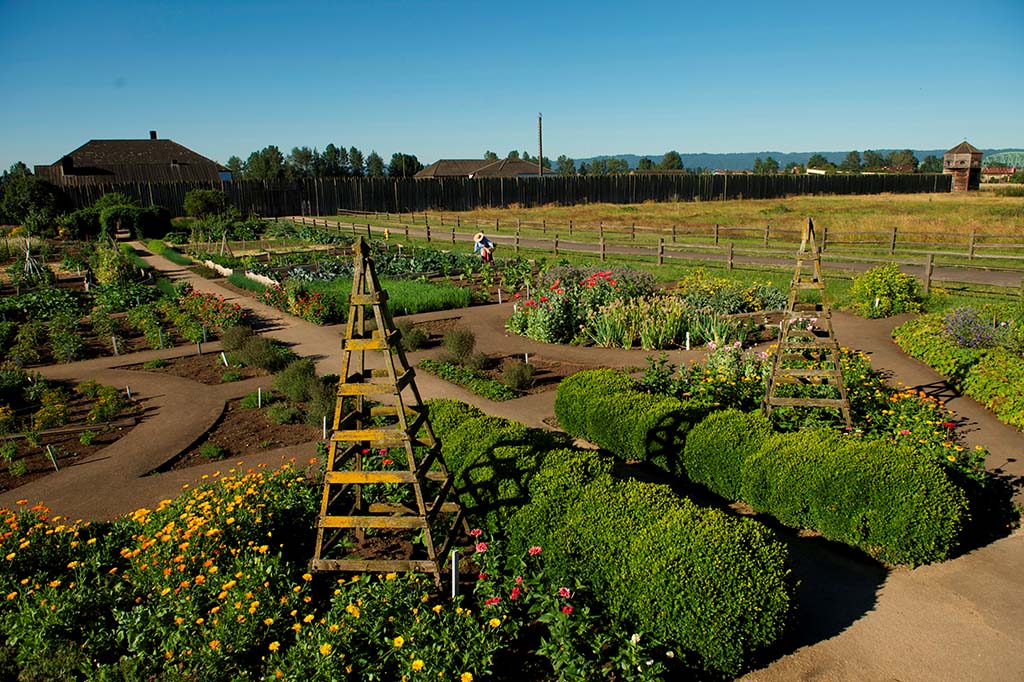
Fort Vancouver National Historic Site is an outdoor history museum and administrative headquarters of the National Park Service’s Pacific Northwest region. It’s located in a historic fort at the confluence of the Columbia and Willamette Rivers in Vancouver, Washington.
The park boundaries extend over the border and into Oregon. This includes the McLaughlin House in Oregon City.
The national historic site includes 22 acres (8.9 ha) and 12 historic buildings. The site was originally called Fort Camosack by one of Oregon’s earliest pioneers, John C. Frémont, when he explored the area in 1843.
Established in 1825 to support the Hudson’s Bay Company’s operations west of the Rocky Mountains, Fort Vancouver served as a regional trading post for nearly two decades before becoming a pioneer settlement under American control 50 years later. Virtually all supplies for American westward expansion were packed, loaded, and shipped from Fort Vancouver.
The park contains a number of museums including the Hudson’s Bay Company Museum, the Lewis & Clark Center, Pacific Northwest Regional Visitor Center, and the Vancouver National Historic Reserve. The Pacific Northwest Research Station (PNRS) is situated on Point Ellice near the northern boundary of the site.
Of all the national parks in Oregon, Fort Vancouver is probably the most historic. And yet, most people have never heard of it.
How to Get There: Click here
Map: Click here
Things to Do: Visit the museums and historic homes
Park Entrance Fee: There are fees to enter the reconstructed fort site ($10/person). Entrance fees are valid for seven days. The other facilities are free.
Where to Stay: Best Western
Official Website: Click here
Speak to a Park Ranger: (360) 816-6230
John Day Fossil Beds National Monument
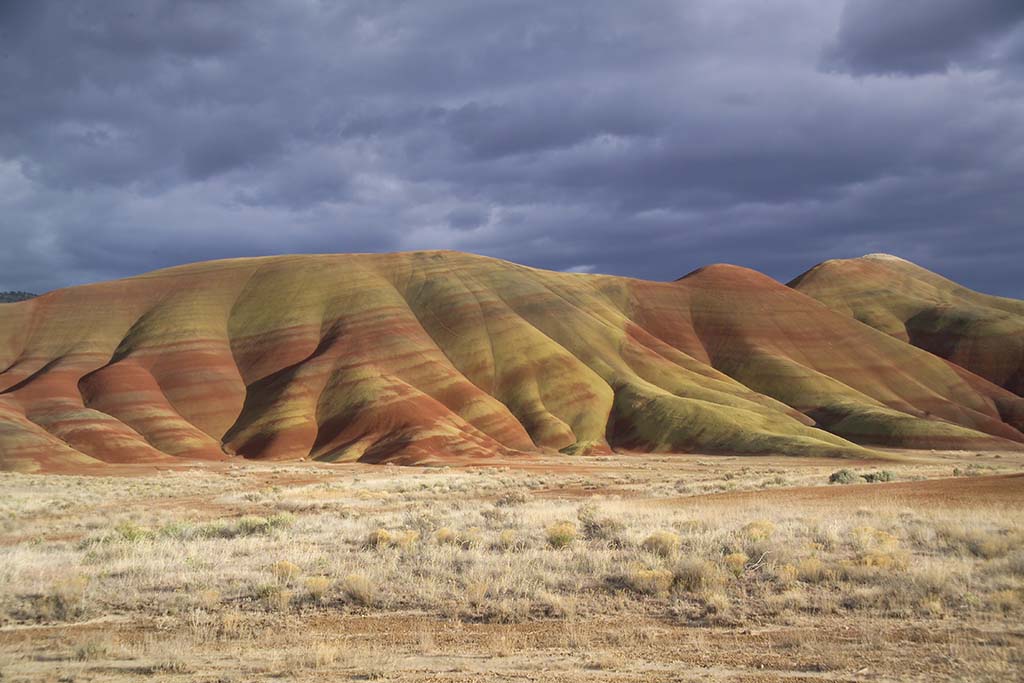
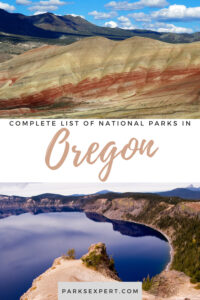
John Day Fossil Beds National Monument is located in Wheeler County, Oregon. The park has numerous exposed fossil-bearing rocks in the John Day River basin.
The park has two points of interest in a Cretaceous period fossil forest and an Oligocene-Miocene period lava flow. The fossil forest is in the Sheep Rock Unit and is a remnant of a dense coniferous rainforest that had been buried by ash from volcanic eruptions about 29 million years ago.
The purpose of the national monument is to preserve the fossils for their scientific value and public benefit and to protect them from vandalism. Of all the national parks in Oregon, John Day Fossil Beds National Monument is the only one that has also been designated a United Nations World Heritage Site.
How to Get There: Click here
Map: Click here
Things to Do: Visit the paleontology center, visit a historic ranch, hiking, picnicking, view historic fossils
Park Entrance Fee: None
Where to Stay: Sunset Inn, Best Western, Dreamers Lodge, John Day Motel, Riverside Inn
Official Website: Click here
Speak to a Park Ranger: (541) 987-2333
Lewis and Clark National Historical Park
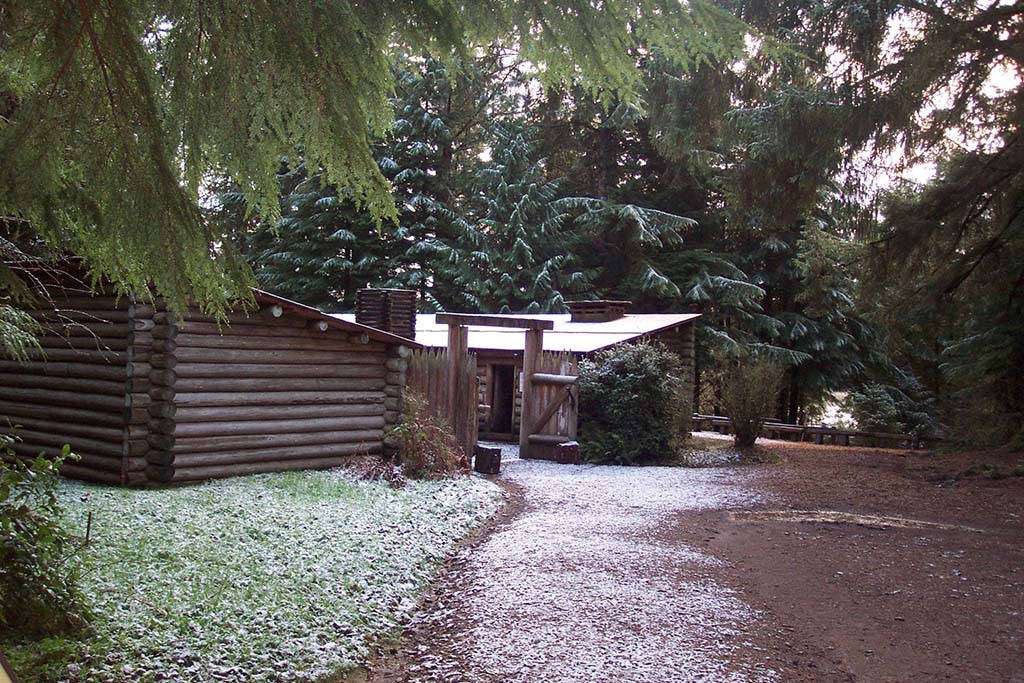
Lewis & Clark National Historical Park is on the northwest coast of Oregon. The park protects Fort Clatsop where Captains Meriweather Lewis and William Clark ended their westward expedition. It also happens to be my favorite of the national parks in Oregon.
In 1803, as part of their plans to explore and map the newly acquired Louisiana Territory, President Thomas Jefferson and Secretary of War Henry Dearborn set up an expedition to the Pacific Northwest coast.
President Jefferson tasked Captain Meriwether Lewis with the command of the expedition and gave him three goals: explore the entire region, find a practical route across it for settlers to use, and establish trade relations with as many tribes as possible in hopes of creating a market for American goods. In 1806, President Thomas Jefferson sent William Clark and the Corps of Discovery to explore further west.
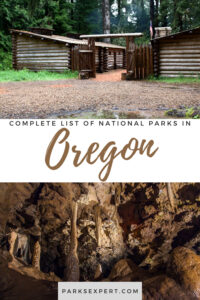
Fort Clatsop was the site of the exploratory winter encampment and headquarters of Lewis and Clark on the Oregon coast in 1805. The Corps of Discovery spent eight weeks at Fort Clatsop, exploring the nearby high country and American Indian culture.
The site, restored to the time of the Lewis and Clark Expedition occupation in 1805–06, shows how explorers lived in a coastal forest environment. The National Park Service interprets Fort Clatsop as it appeared during the expedition period. There are 10 structures, including a blockhouse, officers quarters, and enlisted men’s barracks on display.
How to Get There: Click here
Map: Click here
Things to Do: Audio tour, ranger programs, paddle tour, hiking, paddling, fishing, wildlife viewing, special events
Park Entrance Fee: $10/person (valid for 7 days)
Where to Stay: Motel 6, Hotel Elliott, Norblad Hotel, Clementine’s B&B, Hampton Inn, Best Western, Astoria Riverwalk Inn
Official Website: Click here
Speak to a Park Ranger: (503) 861-2471
Oregon Caves National Monument & Preserve
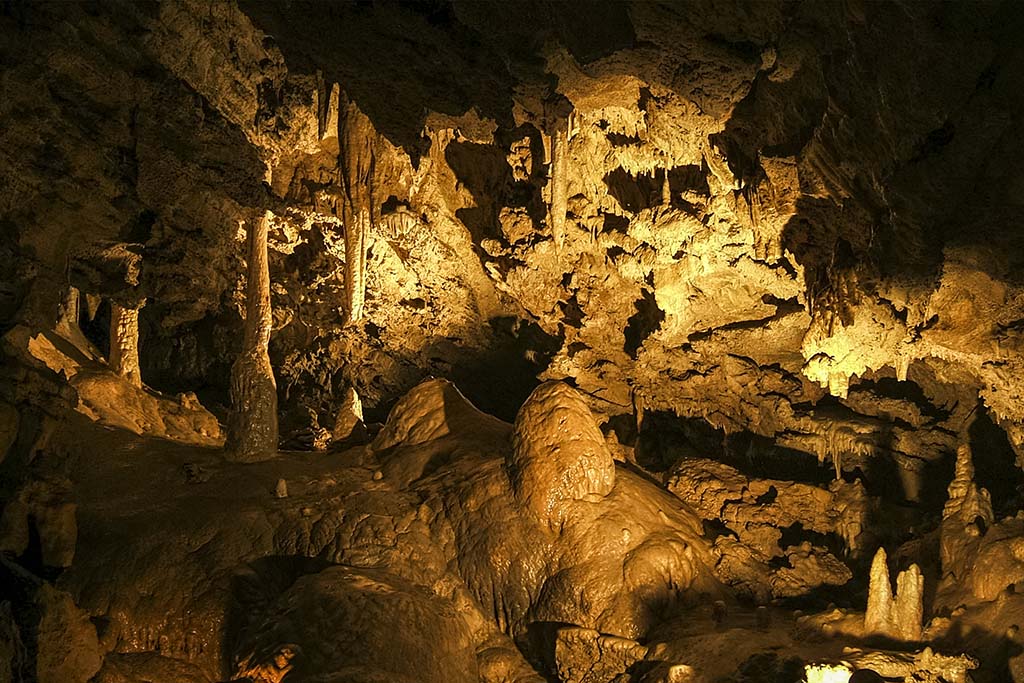
Oregon Caves National Monument is located in southern Oregon, about 15 miles (24 km) northeast of Grants Pass along Oregon Route 238.
A true cave, it is the densest limestone cave system in the world with over 130 miles (209 km) of mapped passageways, though the exact length of passages is unknown. The caves were discovered in 1874 by a hunter who told his friends about the large opening at the base of an oak tree.
The monument’s centerpiece is Oregon Caves Chateau, an elaborate alpine chalet built between 1925 and 1927 to provide lodging for visitors; it is listed on the National Register of Historic Places.
In addition to the cave, the monument hosts a forested 1,046 acres (4.2 km). It’s also home to a variety of wildlife species such as black bears, mountain lions, deer, and elk. It is also a popular destination for horseback riding.
How to Get There: Click here
Map: Click here
Things to Do: Cave tours, wildlife viewing, hiking, hunting
Park Entrance Fee: There is no entrance fee, however, there is a fee for cave tours.
Where to Stay: Redwood Hyperion Inn, Discovery Inn, La Quinta, Holiday Inn, Sweet Breeze Inn
Official Website: Click here
Speak to a Park Ranger: (541) 592-2100
Explore National Parks in Nearby States
What to Pack for an Oregon National Parks Trip
Packing for a trip can be tricky. Depending on the time of year, temperatures can range from over 90 degrees Fahrenheit during the day to 30 degrees once the sun goes down. If you’re visiting in the winter, it will likely snow. Here’s a list of things you may need, with some items varying based on the season you decide to visit.
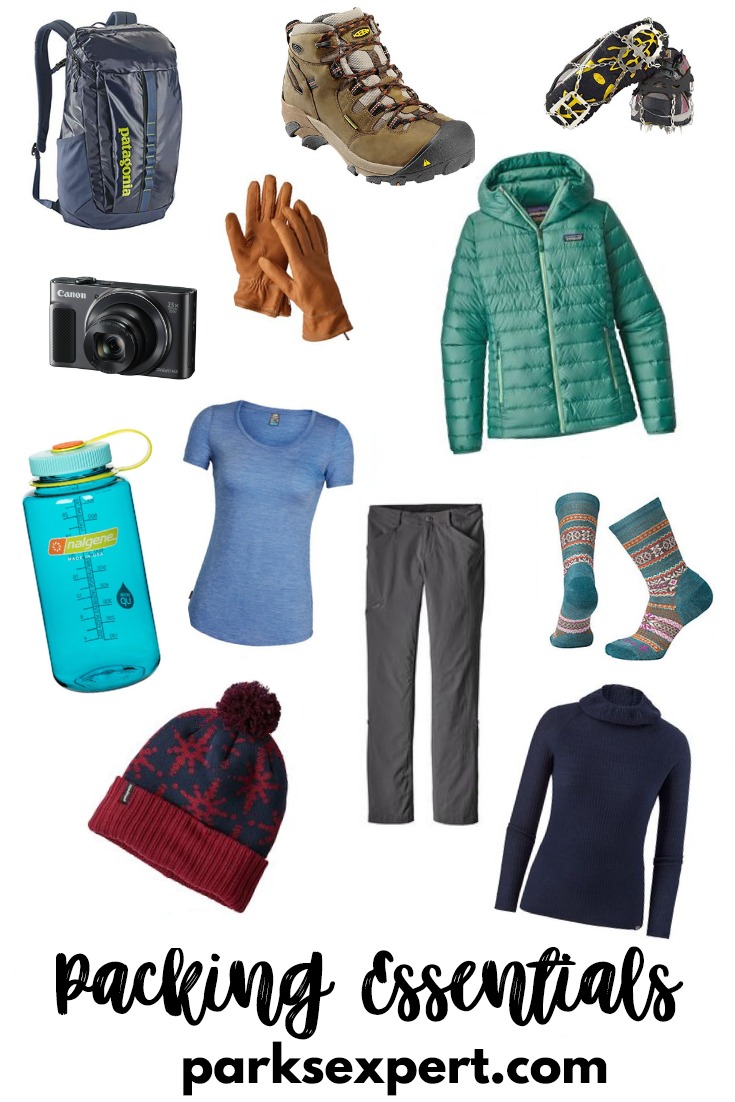
- Reusable Water Bottle: Literally the most important thing to have in the national parks. It’s also a good idea to bring a water filter.
- Moisture-wicking Layers: You’ll want short- and long-sleeve shirts to wear underneath your jacket. In the summer, you may also want a tank top. Choose polyester over cotton. It’s also good to have wool or synthetic clothing to layer (and dry clothes to sleep in).
- Jacket: I always have a packable down with me on trips. I also love this new jacket I got a few months ago, as it’s very light yet warm. Synthetic is a good alternative to down if you’re worried about rain or snow.
- Rain Gear: It rains a lot here, so a rain jacket and pants are essentials.
- Hiking Pants or Shorts: My favorite hiking pants can be found here. As a taller woman, I also love Columbia’s pants because they offer long sizes.
- Hat: Depending on the season, you’ll need a winter hat or summer hat.
- Gloves or Mittens: Gloves are critical if you’re visiting in the winter.
- Wool Socks: Smartwool is my favorite brand for wool socks. Make sure to get wool so your feet stay warm and dry.
- Grippers, Spikes, or Crampons: If you plan to hike in the winter, I strongly recommend grippers for potentially icy trails. Come prepared and avoid the fall!
- Camera: I had my trusty Canon Rebel T5i, my Canon Powershot SX620, and a GoPro with me on my most recent trip to Colorado.
- Tripod: If you’re hoping to take decent photos of the slot canyons, sunsets, or wildlife, I’d strongly recommend carrying a tripod with you.
- Shoes: For hiking, I love my Keens, and will never choose another brand for my everyday boots. In winter, I choose a much warmer pair of Solomon boots. Lightweight camp shoes like Crocs are my favorite. You’ll also want waterproof hiking boots or hiking shoes.
- Backpack: For daypacks, you could use a North Face pack or this water-resistant Patagonia pack. For backpacking, you’ll want a larger pack.
- Packing Cubes: Never find yourself unorganized or frantically searching for missing items ever again with these. Plus, it’ll help you squeeze more into your bag!
- Travel Scarf: I love the ones with hidden pockets!
- Map: Detailed topographic maps and a good overview map
- General Camping Gear: Compass, first-aid kit, high-calorie food, shelter, sleeping bag and pad, campstove and fuel, and an emergency signaling device
Pin National Parks in Oregon
Oregon is a wonderful place to visit. There are many historic sites and natural wonders that make Oregon, and the national parks in Oregon, worth visiting. We hope you’ve enjoyed this article on Oregon national parks!