Article Summary: Glacier National Park Itinerary, 7 Day Glacier National Park Itinerary, Itinerary Glacier National Park
Planning a trip to Glacier National Park? This place is a stunning natural wonder that should not be missed. However, the park covers more than 1 million acres and offers over 700 miles of hiking trails, so figuring out what to see can be overwhelming.
This Glacier National Park itinerary has ideas on where to go, what you should see, and what you can’t miss. Here’s how you can spend one week in Glacier National Park.
This post may contain affiliate links. If you make a purchase, I may earn a small commission at no additional cost to you. For more information, view my privacy policy.
Table of Contents
Glacier National Park Overview: Things to Know Before You Visit
Reservations Are Required for Glacier National Park
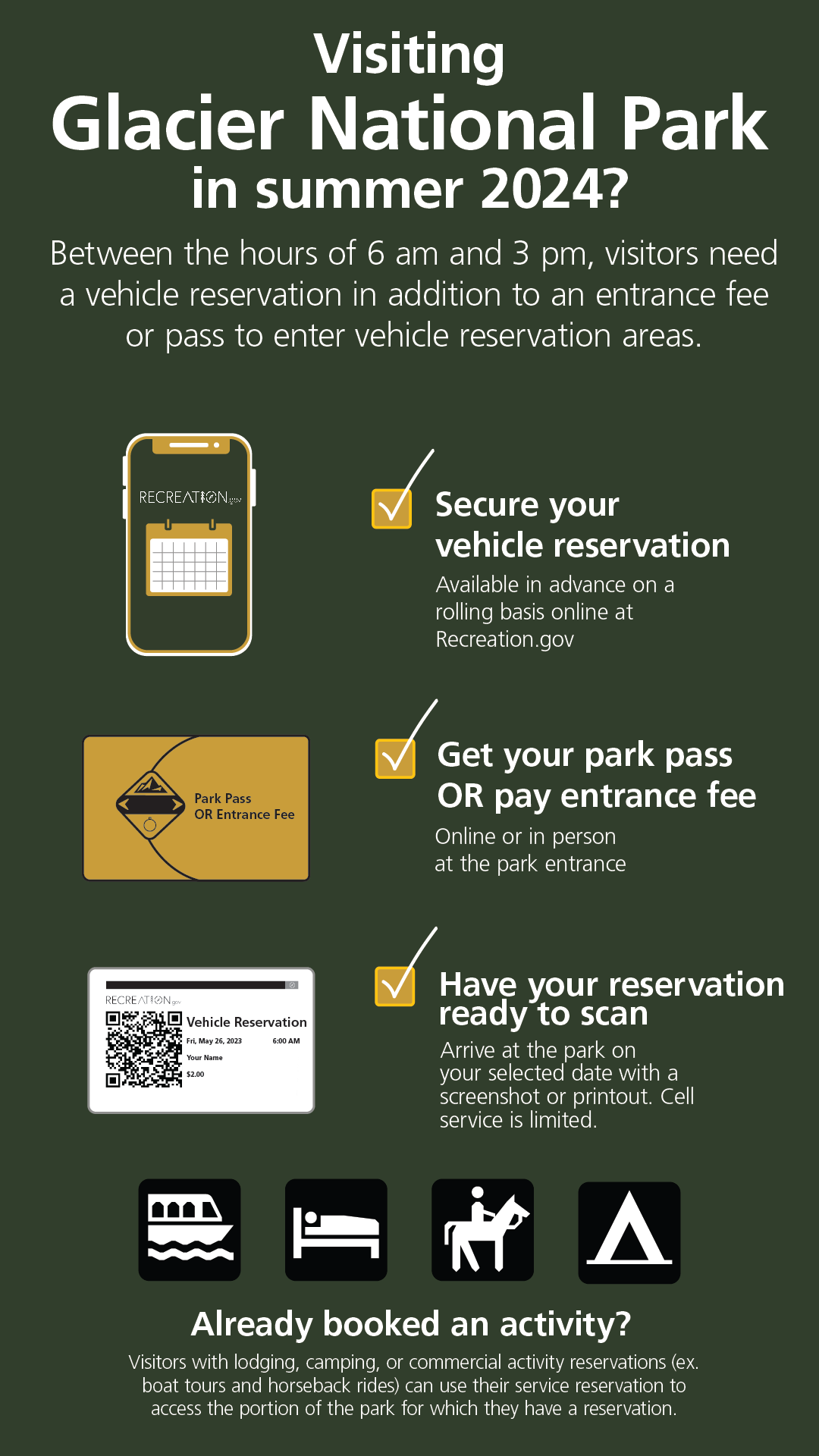
Due to overcrowding, the park is now requiring timed entry reservations.
These are required for the west side of Going-to-the-Sun Road and North Fork from late May to early September. They’re also required for Many Glacier from early July to early September.
Book your reservations on Recreation.gov.
Best Time to Visit Glacier National Park
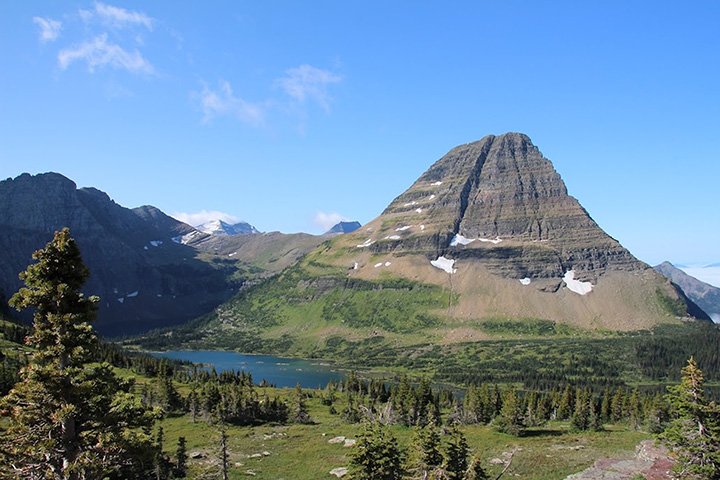
The summer months (June, July, and August) are the best time to visit Glacier National Park because of its beautiful scenery and warmer weather. At other times of the year, the park may be under a white blanket of snow.
The Going-to-the-Sun Road, the park’s main thorofare and one of the most scenic drives in the national parks, is generally open from mid-June to early October. This strongly depends on the snow level and varies from year to year.
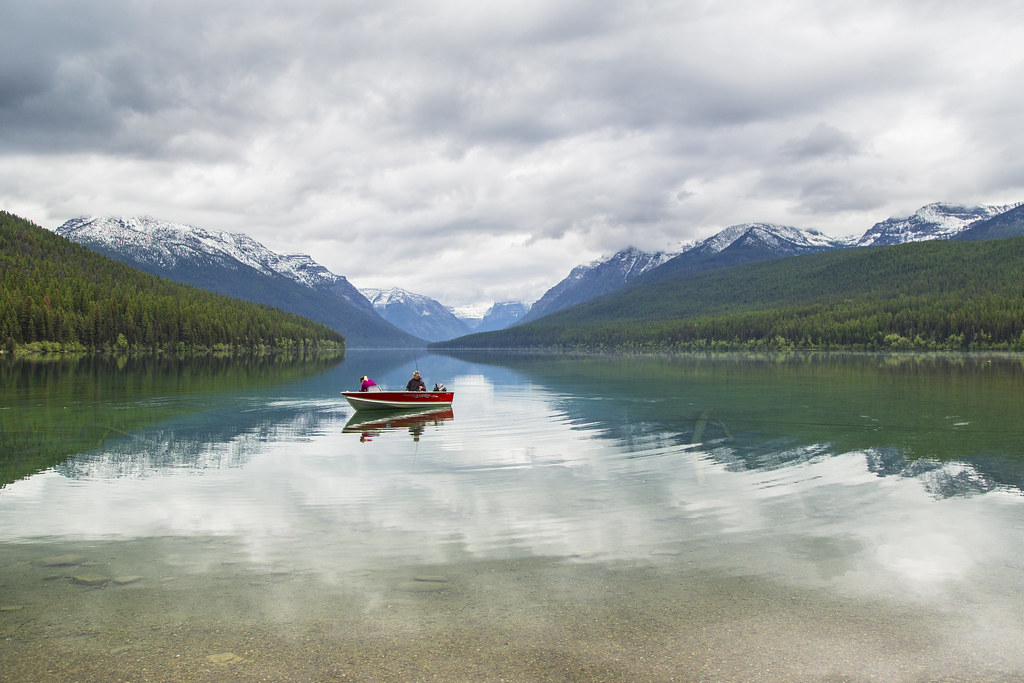
In the summer months, visitors can also explore Glacier National Park by bike or boat.
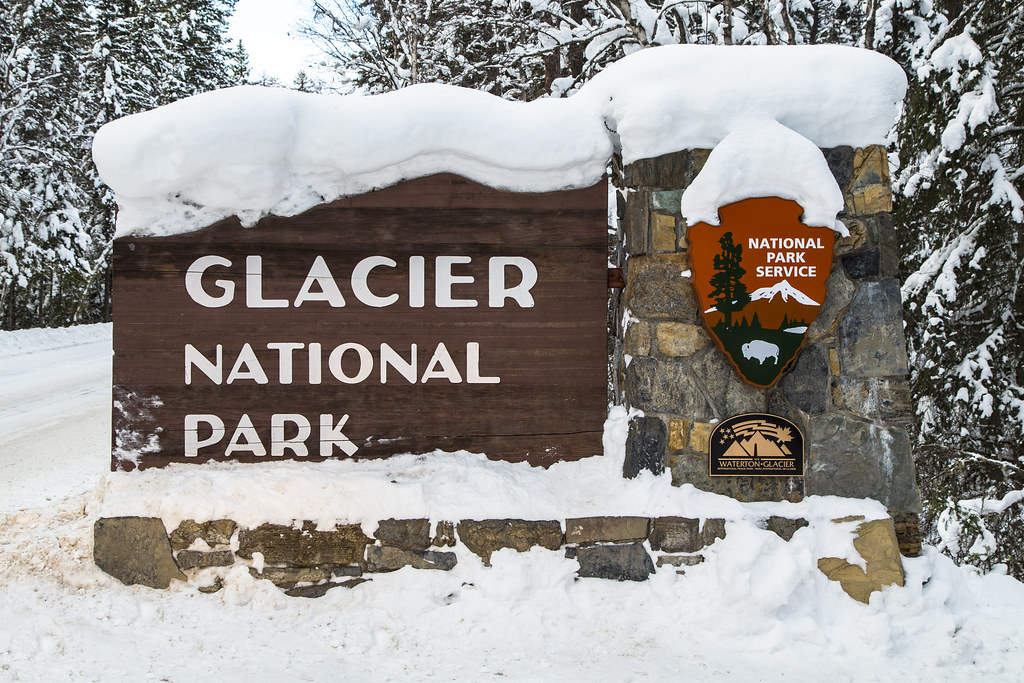
In the winter, the park offers cross-country skiing and snowshoeing. While most of the park is inaccessible once Going-to-the-Sun Road closes, those prepared for winter recreation won’t be disappointed.
With most visitors planning their Glacier National Park itinerary for a summer visit, you should expect crowds. Between mid-June and early September, the park is at its busiest because most of it will be open. To avoid crowds, start your day as early as you can.
July and August are the most crowded months. If you want to avoid the crowds but also want to visit while the main attractions are accessible, I recommend visiting in late June or early September.
How to Get To Glacier National Park
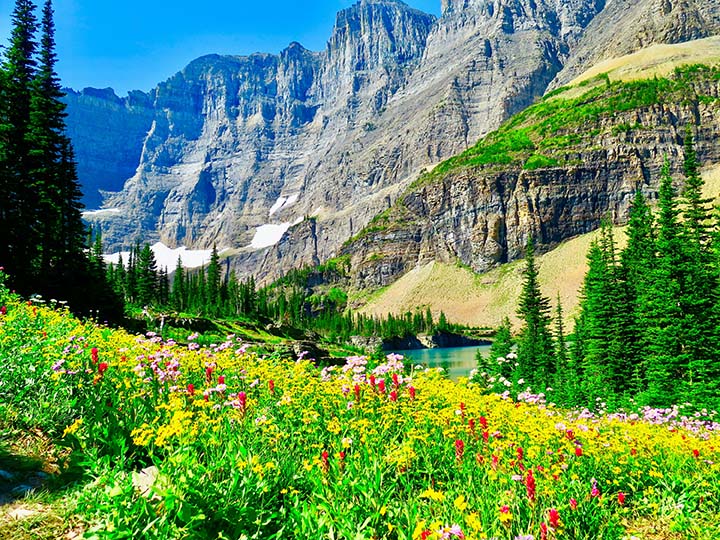
Let’s start with the basics. Glacier National Park is located in northwest Montana on the Canadian border. Depending on your origin point, it may be easier to fly or drive. We’ll go over the essentials here, but you can find more details in our post on how to get to Glacier National Park.
Nearby Airports
The closest airport is Glacier Park International Airport in Kalispell, Montana. This small airport is the best to fly into if you’re visiting Glacier National Park as it’s only about 30 minutes away.
If you’re also visiting Yellowstone National Park or Grand Teton National Park, you may want to fly into Bozeman. It’s about halfway between the three parks.
Missoula, Great Falls, and Billings are a few more nearby airports with car rental services. These are great options if you’re hoping to explore some of the other national parks in Montana during your trip.
Nearby Train Stations
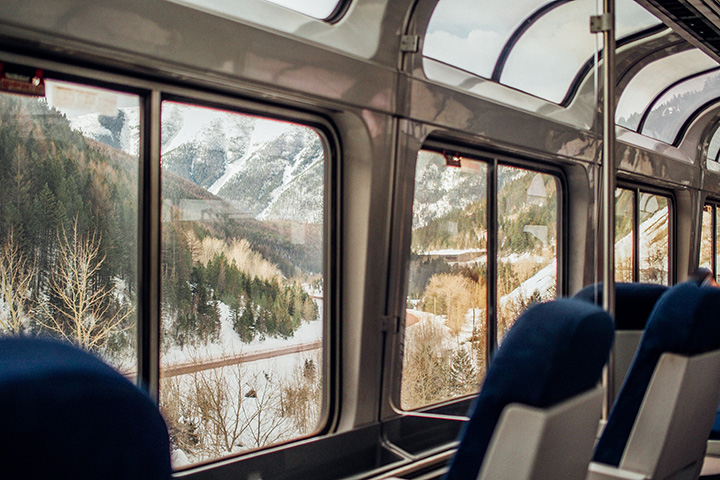
Did you know you can take the Amtrak to Glacier National Park? There are stations in both East Glacier and West Glacier (Essex).
While those are the closest stations, there are no transportation services between them and the park. I recommend riding the train to Whitefish and renting a car in order to reach the park.
Nearby Cities/Towns
Kalispell is the closest large town to the park. It offers full services, such as hotels, restaurants, and gas stations.
West Glacier is another town located near the park. It’s about five miles west of Lake McDonald Lodge and offers a few services, such as restaurants, lodging options at Apgar Village Campground & Cabins, and gas stations.
St. Mary and Browning are the closest towns to St. Mary and Many Glacier Entrances, respectively. They offer a few more services than West Glacier, including restaurants.
East Glacier and Browning are about 35 miles from the Two Medicine Valley Entrance.
Here are some distances from nearby cities and destinations to Glacier National Park:
- East Glacier: 15 minutes, 7 miles (to Two Medicine)
- Columbia Falls: 22 minutes, 18 miles (to Apgar)
- Whitefish: 30 minutes, 26 miles (to Apgar)
- Browning: 35 minutes, 28 miles (to St. Mary)
- Kalispell: 45 minutes, 35 miles (to Apgar)
- Bigfork: 45 minutes, 39 miles (to Apgar)
- Somers: 45 minutes, 43 miles (to Apgar)
- Missoula: 2.5 hours, 140 miles (to Apgar)
- Great Falls: 2.5 hours, 155 miles (to St. Mary)
- Bozeman: 5.5 hours, 315 miles (to Apgar)
- Billings: 6 hours, 375 miles (to St. Mary)
- Yellowstone National Park: 7 hours, 415 miles (Mammoth to Apgar)
Nearby Groceries
West Glacier: West Glacier Mercantile
Hungry Horse: Canyon Foods
Columbia Falls: Smith’s, Super 1 Foods
Kalispell: Walmart, Albertson’s, Super 1 Foods, Smith’s, or Natural Grocers
St. Mary: Mary Grocery, Park Cafe and Grocery
How to Get Around

The best way to see Glacier National Park is by car. You can rent a car from the Kalispell Airport if you fly to Montana. You could also drive in from wherever you live and make a road trip out of it!
Since most visitors will drive in, parking can be difficult. Plan to arrive at popular destinations early (before 6 a.m.) to find a parking spot. This is especially critical for the trails in Many Glacier and Logan Pass.
Traveling by Car
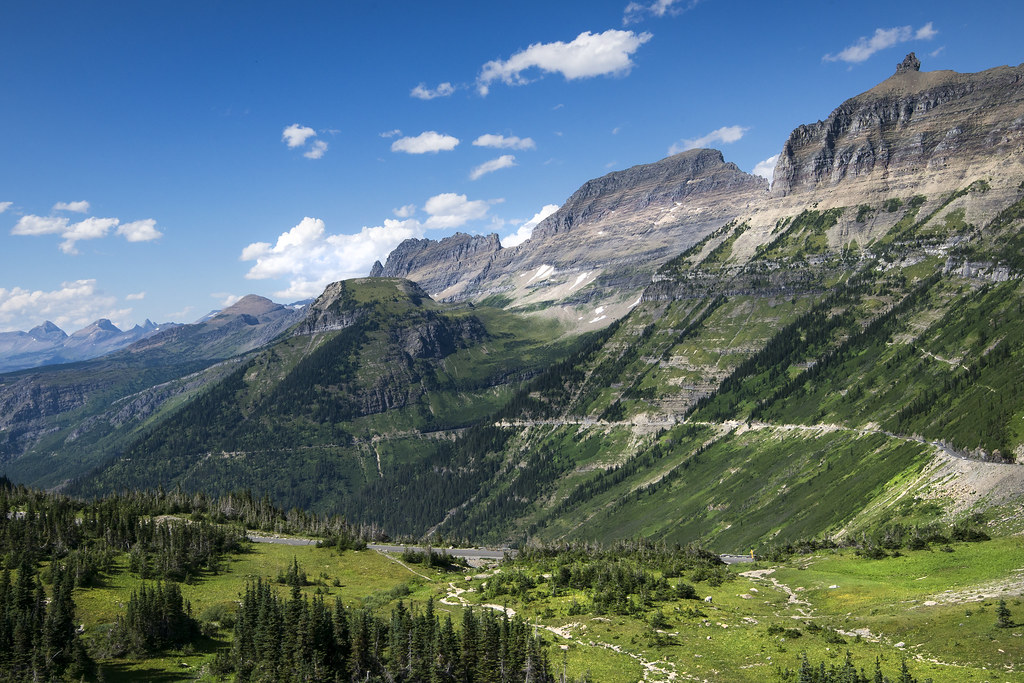
Going-to-the-Sun Road is the most scenic drive in the park. It’s also the park’s main artery, connecting the east and west sides.
Due to its popularity, expect heavy traffic on the road. The road is usually open from mid-June to early September.
The 50-mile Going-to-the-Sun Road has 51 switchbacks as it climbs up to Logan Pass. It’s worth driving the road for its beauty and views into Glacier National Park along the way. If you have a fear of heights, you may not want to look out the window at certain points.
Red Bus Tour
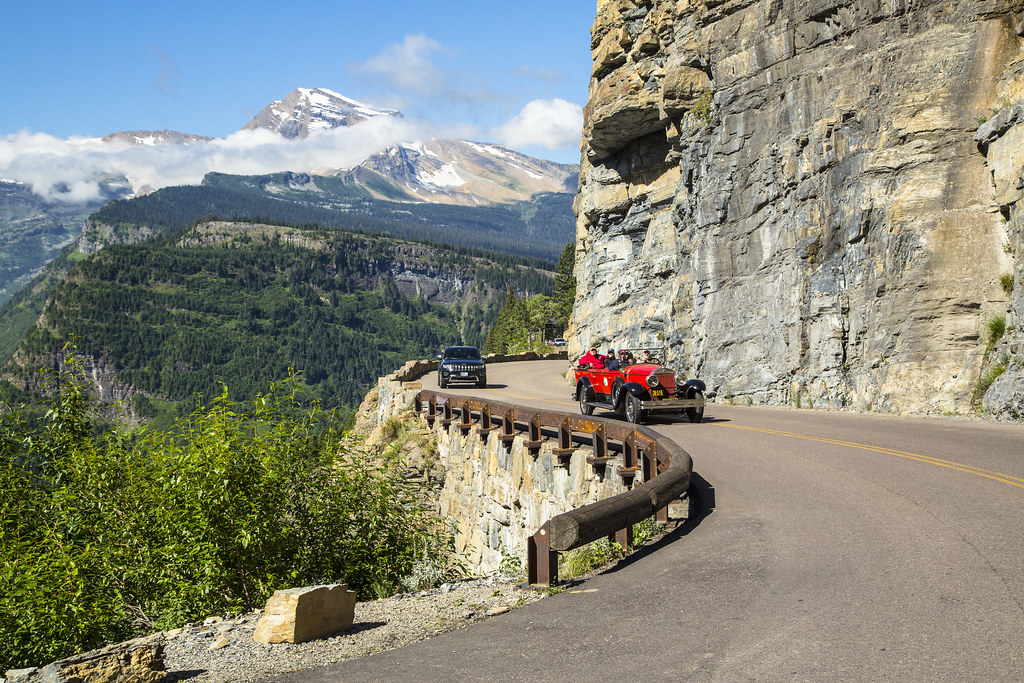
If you’d like to explore the park roads with someone else driving, you could also partake in a signature Red Bus Tour at Glacier National Park.
These open-air jammers navigate the winding roads of Going-to-the-Sun, Many Glacier, and Two Medicine. Your tour guide will provide information about the park’s history as they take you to the top attractions.
Traveling by Shuttle

To avoid difficulty parking, I highly recommend taking the park’s free shuttle. This is especially true during peak season at peak hours. The shuttle runs between Apgar Village and St. Mary Visitor Center along Going-to-the-Sun Road.
This shuttle is also key if you plan to hike the Highline Trail and don’t want to return to the trailhead by foot.
The shuttle can be crowded and slow, but is still the best way to see popular areas of the park without worrying about where to park your vehicle.
Unfortunately, the shuttle does not bring visitors to Two Medicine or Many Glacier.
RVs and Campers

RVs and campers are popular modes of transportation for many visitors. However, there are restrictions in the park for your safety. If you decide to rent or bring an RV, camper, or van, make sure it’s less than 21 feet long. Otherwise, you won’t be able to drive Going-to-the-Sun Road.
Entrance Fees
There is a fee to enter Glacier National Park. The exact price depends on the time of year.
In order to save money, I would recommend purchasing a national parks pass. These cost $80 and are valid for a full calendar year (from the date of purchase) at all public lands in the United States. After you visit 3 national parks, it’ll have paid for itself. It also makes a great gift for national park enthusiasts! Learn more about park entry fees.
Summer Rates (May 1 to October 31)
Private vehicle, 7 days: $35
Motorcycle, 7 days: $30
Individual (hiker or bicyclist), 7 days: $20
Winter Rates (November 1 to April 30)
Private vehicle, 7 days: $25
Motorcycle, 7 days: $20
Individual (hiker or bicyclist), 7 days: $15
Glacier National Park Annual Pass
If you are a local or plan to spend more than a week in Glacier National Park, consider purchasing an annual pass. This is valid for 12 months after your purchase and costs $70.
Fee-Free Days
Every year, the National Park Service announces fee-free days nationwide. Typically, these include major holidays such as Martin Luther King, Jr. Day and Veterans Day. It also includes NPS-specific holidays like August 25, the anniversary of the creation of the National Park Service (a.k.a Founder’s Day).
Click here to learn about this year’s fee-free days.
Pets
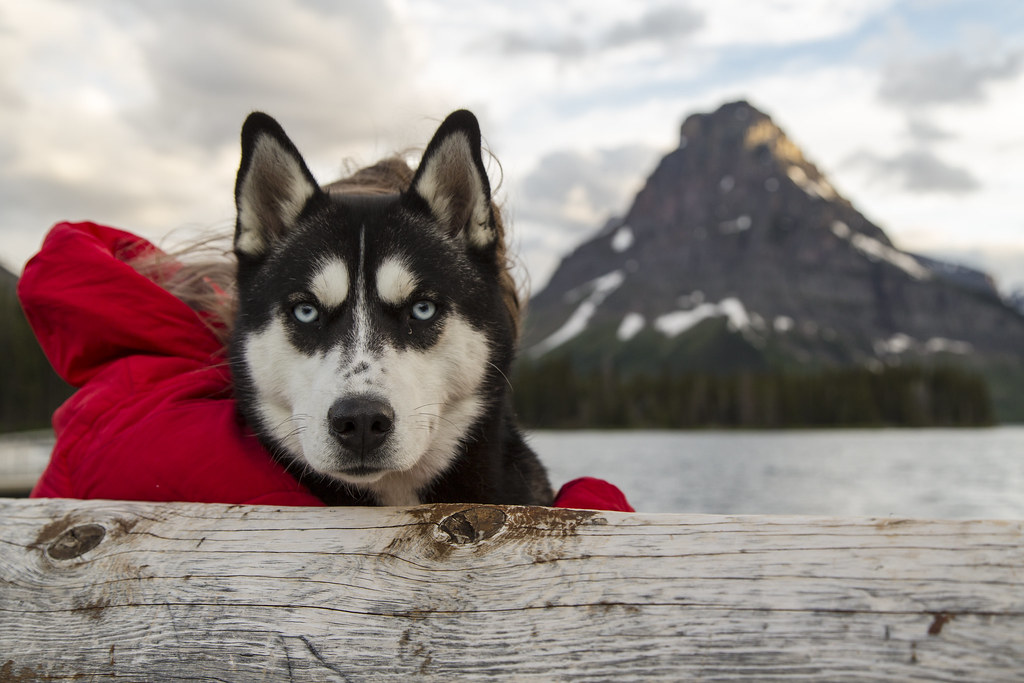
While pets are allowed in Glacier National Park, they are only permitted in developed areas. Developed areas include parking lots, campgrounds, and picnic areas. They are also permitted on motorized boats.
Pets, including emotional support animals, are not permitted on park trails, lakeshores, in the backcountry, or inside any buildings.
Pets must be on a leash at all times. Remember to clean up after your pet, too!
Map of Glacier National Park

Click the map above to open a larger image.
A Few More Tips for Planning Your Glacier National Park Itinerary
Wildlife Safety
It’s incredibly dangerous to get too close to wild animals, including bears and moose.
While hiking, be mindful of your surroundings at all times. If you don’t see any wildlife, that doesn’t mean wild animals aren’t nearby.
The best way to stay safe is by keeping a distance from wild animals when possible. Never approach wildlife.
If you’re camping, keep food stored in bear-resistant containers. Never feed wildlife.

When hiking, bring bear spray with you (and know how to use it properly). Purchase this once you arrive in Montana if you’re flying in. Bear spray is prohibited on planes, but you can rent it at the Kalispell airport! While hiking, especially if you’re alone, remember to make plenty of noise so that animals know you are nearby.
For more tips, read my article on practicing bear safety in national parks.

Leave No Trace
Glacier National Park is a beautiful place to visit and visitors must do their part to protect this special landscape.
The park asks visitors to practice Leave No Trace principles. This means leaving the parks as you found them, or better than you found them!
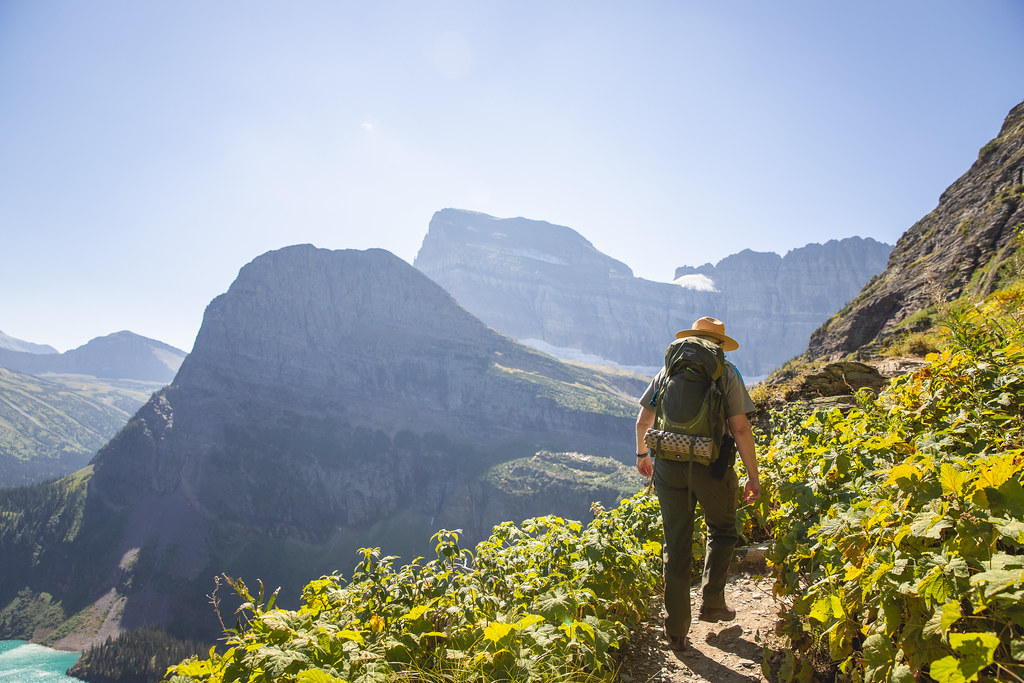
This includes protecting wildlife and natural resources by staying on designated trails and boardwalks so that other hikers can enjoy their visit too.
It also means disposing of trash properly in bear-proof cans and not feeding wild animals.
Furthermore, leave behind everything you find. Do not pick flowers or pinecones to take home with you. Report any historic artifacts to a park ranger, including the location specifics, without removing them.
How to Avoid Crowds
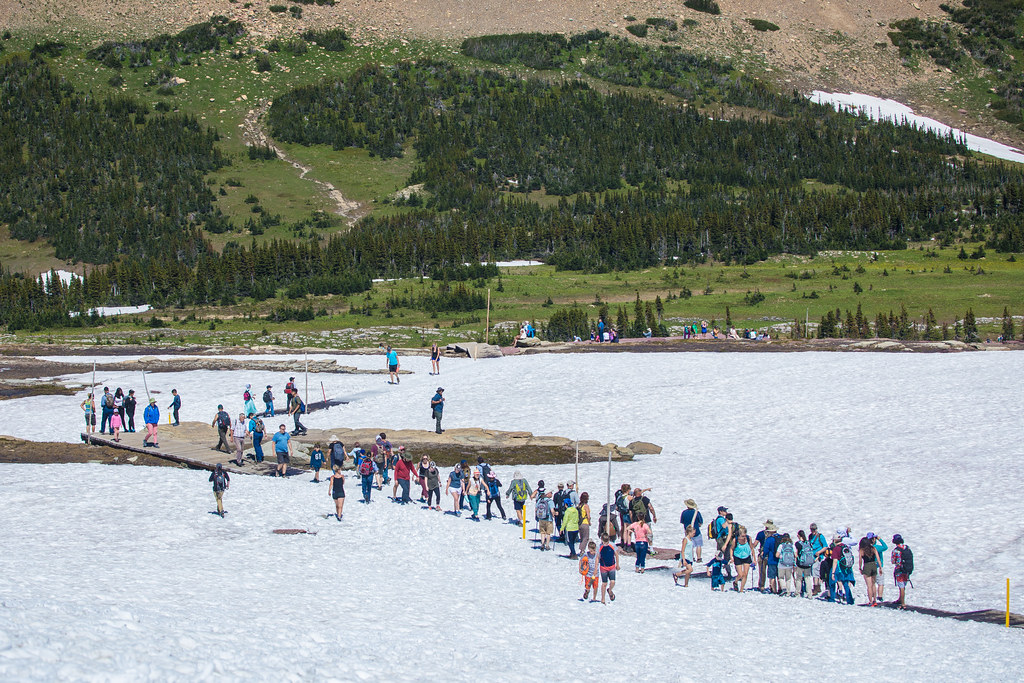
During peak season (July and August), it’s generally a good idea to avoid going on weekend days. The park is busiest between July and September when temperatures are warmer and there are more hours of sunlight for outdoor activities. If you go during this time, expect large crowds at popular attractions like Logan Pass or Going-to-the-Sun Road.
Hiking less popular trails or visiting less popular districts, like Two Medicine or Polebridge, will help you enjoy peace and quiet in Glacier National Park.
Backpacking in Glacier National Park
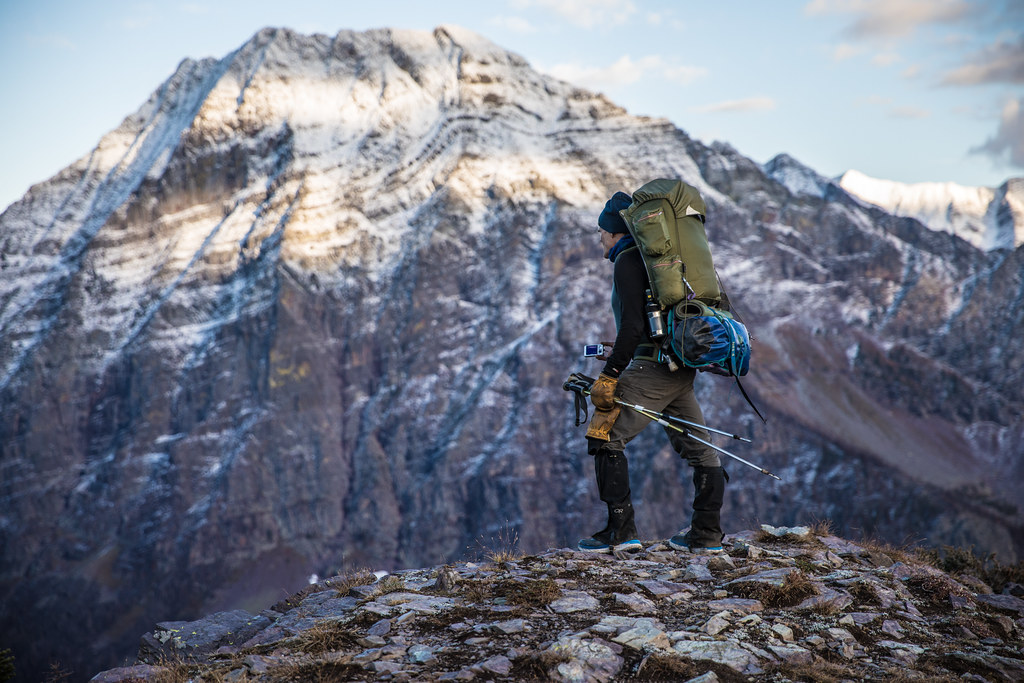
Backpacking is a popular activity in Glacier with one of the most well-preserved wilderness areas in the continental United States.
Backcountry permits are required when camping overnight in backcountry areas. There are many different trails in Glacier National Park that allow backpacking, including the Highline Trail and Swiftcurrent Pass Trail. For more information on how to obtain these permits and what you need for your trip, check out the Glacier National Park website.
Reception and Connectivity
You should not plan to rely on cell phone reception or Wi-Fi in Glacier National Park. Download anything you need, like hotel reservations or your entrance reservation, so you can access it offline.
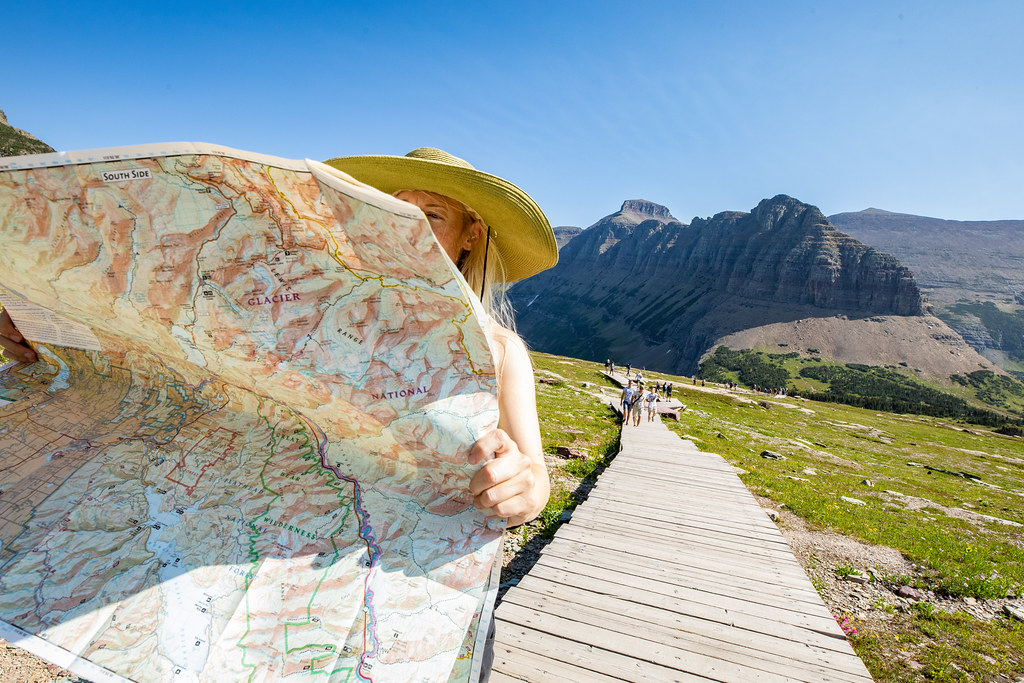
For hiking, download a map to your phone or buy a paper copy to bring along.
What to Pack for 1 Week in Glacier National Park
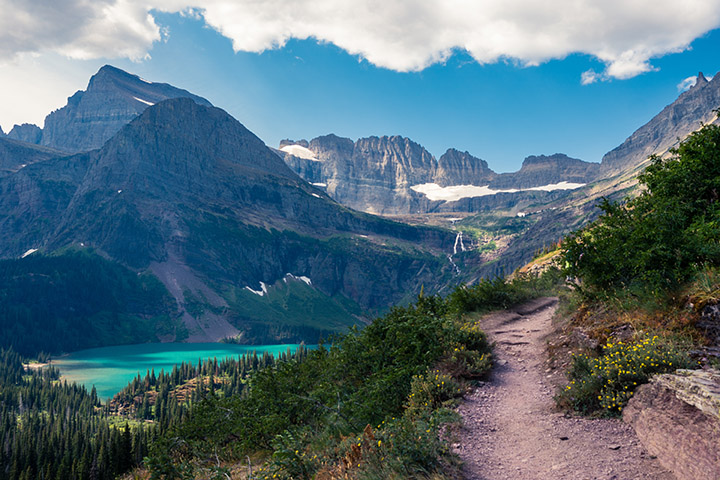
Planning: There are a lot of books out there to help you plan your Glacier National Park itinerary. I recommend the Moon Travel Guide. It’s written by Becky Lomax, a local who has been exploring Glacier National Park for years.
America the Beautiful pass: Glacier National Park charges an entrance fee. In order to save money, I would recommend purchasing a national parks pass. These cost $80 and are valid for a full calendar year at all public lands in the US.
Layers: Even in the summer, it can get cold. Down jackets are a must for chilly evenings. My favorite brands are Patagonia and North Face. I’d also recommend bringing a waterproof jacket if you’re visiting during monsoon season. My favorite waterproof brand is Helly Hansen.
Hiking tees: Good-quality hiking shirts should be moisture-wicking and quick drying. I would also bring short and long sleeve options for layering.
Hiking pants: Like your tops, I would make sure your hiking bottoms are moisture-wicking and quick-drying as well. These can be pants or shorts (I recommend packing at least two pairs of both).
Trusty footwear: One of the best ways to see Glacier National Park is hiking, so you’ll definitely want to bring some good hiking footwear. I love my Hoka trail runners and my Keen hiking boots. Both have great traction. If you’re hiking snowy trails, opt for hiking boots over sneakers.
Backpack: My favorite backpacks are from Deuter, Osprey, and Gregory.
Hiking accessories: You may need sunglasses, sunscreen, bug spray, and a hat.

For Campers: Of course, you’ll need a tent, either for camping in campgrounds or backpacking in the wilderness. For comfort inside your tent, pack a sleeping bag, sleeping pad, and camp pillow. You’ll also need a stove. I prefer the Pocket Rocket or Jet Boil. Then, naturally, you’ll also need fuel. Don’t forget some reusable cookware and dinnerware, too! I prefer collapsible bowls for my meals and all-in-one utensils. I’d also highly recommend a headlamp or flashlight.
Water bottle: I love the Nalgene narrow mouth bottles. For bottles that fit in my car’s cup holder and can always keep drinks hot or cold, I recommend the Hydroflask lightweight trail bottles. If you need a water bottle that also filters, try a Katahdin.
Food: Clif bars and trail mix are road trip staples and necessities. For larger meals, dry some freeze-dried meals from Mountain House or Backpackers Pantry. You may want a cooler to store everything in.
Where to Stay
Camping
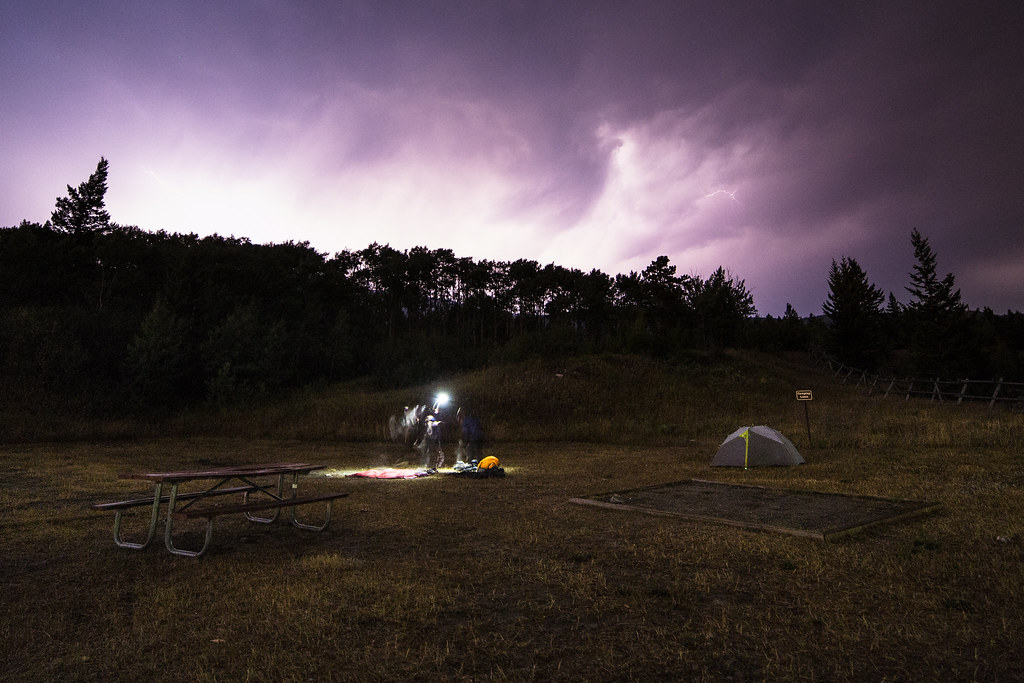
For information on campgrounds in Glacier National Park, read my Glacier National Park camping guide.
If options inside the park are full, a couple more to try are:
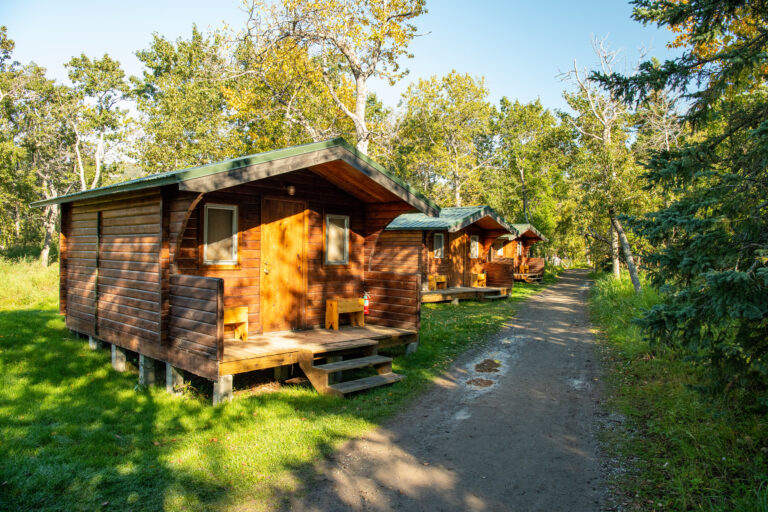
West Glacier RV Park and Cabins
Official Website: click here
Phone Number: 1 (844) 868-7474
Address: 200 Going-to-the-Sun Road, West Glacier, MT 59936
Columbia Falls RV Park
Official Website: click here
Phone Number: (406) 892-1122
Address: 103 Hwy 2 East, Columbia Falls, Montana 59912
Mountain View RV Park
Official Website: click here
Phone Number: (406) 892-2500
Address: 3621 MT Hwy 40 West, Columbia Falls, MT 59912
Rocky Mountain HI Campground
Official Website: click here
Phone Number: (406) 755-9573
Address: 825 Helena Flats Road, Kalispell, MT 59901
Lodging In Glacier National Park
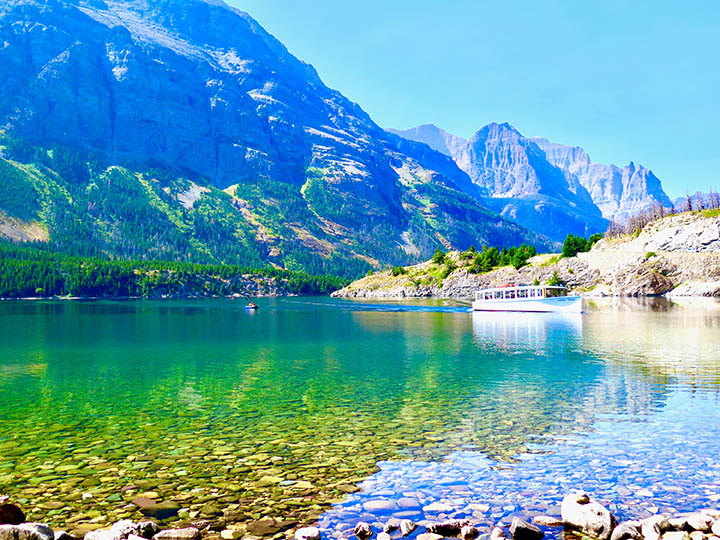
If camping isn’t your style, there are still plenty of places to stay. This includes options both inside and outside national park boundaries.
Apgar Village Lodge

Location: Apgar Village
Phone Number: (406) 892-2525
Official Website: click here
Reservations: click here
Granite Park Chalet
Location: Backcountry lodge; accessible by hiking only
Phone Number: (888) 345-2649
Official Website: click here
Reservations: click here
Lake McDonald Lodge

Location: Lake McDonald
Phone Number: (855) 733-4522
Official Website: click here
Reservations: click here
Many Glacier Hotel

Location: Many Glacier
Phone Number: (855) 733-4522
Official Website: click here
Reservations: click here
Motel Lake McDonald
Location: Lake McDonald
Phone Number: (406) 892-2525
Official Website: click here
Reservations: click here
Rising Sun Motor Inn
Location: Rising Sun
Phone Number: (855) 733-4522
Official Website: click here
Reservations: click here
Sperry Chalet
Location: Backcountry lodge; accessible by hiking only
Phone Number: (888) 345-2649
Official Website: click here
Reservations: click here
Swiftcurrent Motor Inn
Location: Many Glacier
Phone Number: (855) 733-4522
Official Website: click here
Reservations: click here
Village Inn at Apgar

Location: Apgar Village
Phone Number: (855) 733-4522
Official Website: click here
Reservations: click here
Lodging Near Glacier National Park
Here are the hotels I recommend outside of the park if everything above is full.
- St. Mary Village
- Reclusive Moose Cabins
- Silverwolf Lodge Chalet Resort
- Glacier Outdoor Center
- Glacier Homestead
- Great Northern Lodge
- Under Canvas Glacier
- Sky Eco
Overview of Glacier National Park Districts

It’s best to familiarize yourself with the different areas of the park before you visit. This will help you decide which to include in your Glacier National Park itinerary. Below is a description of each district along with the most popular things to do in each one.
Lake McDonald, Logan Pass, and St. Mary are all along Going-to-the-Sun Road. Two Medicine and Many Glacier are on the east side. Goat Haunt is in the north near the Canadian border.
St. Mary and Logan Pass
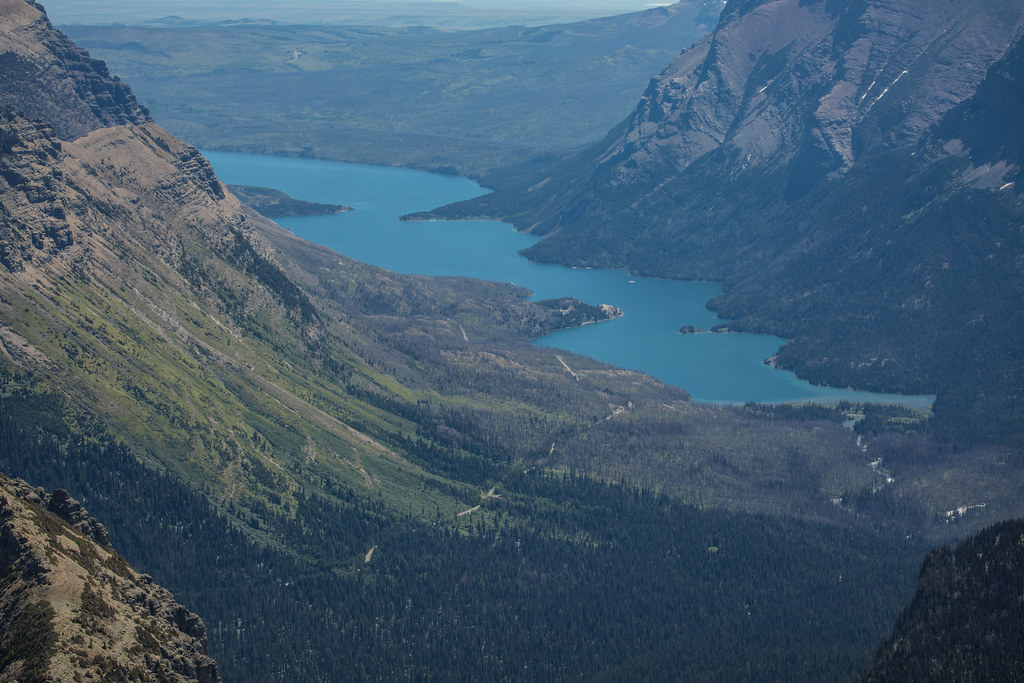
St. Mary is one entrance to Going-to-the-Sun Road. There’s a small ranger station and restaurant available. It’s located on the east side of the park. You can use this entrance to access Rising Sun which offers boat tours, camping, and food services.

At Logan Pass, you can find spectacular views at the highest point along Going-to-the-Sun Road and as you explore the backcountry. This area is home to some of the best hikes in Glacier National Park, including the Highline Trail and Hidden Lake Overlook.
Lake McDonald
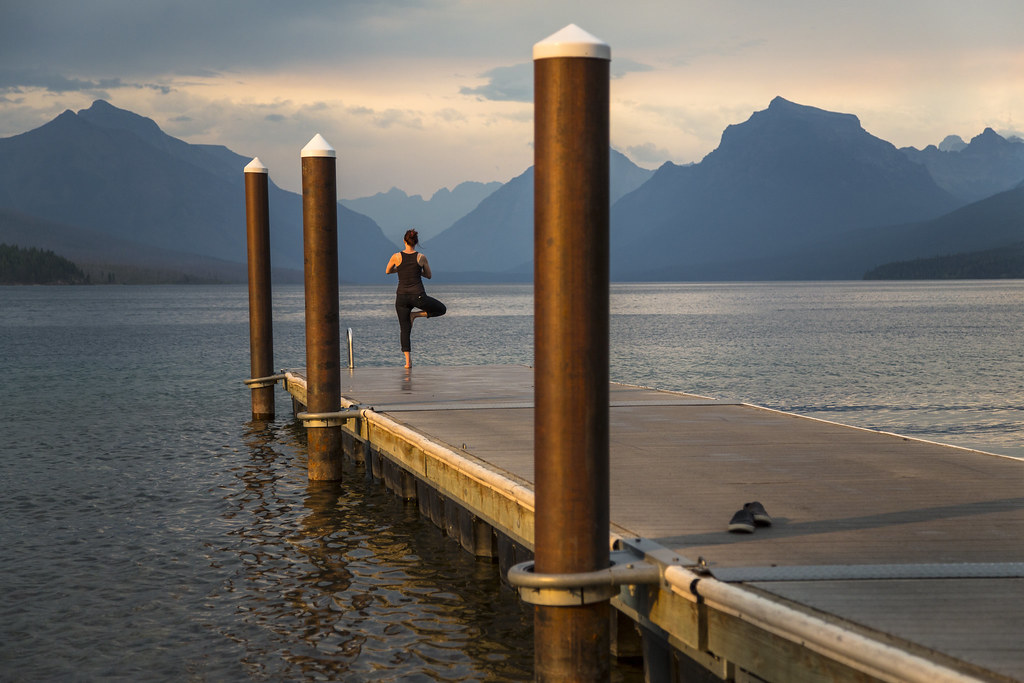
Lake McDonald is a large and deep lake. The shoreline along Going-to-the-Sun Road features hotels, campgrounds, boat docks, picnic areas, hiking trails, and a campground, as well as spots for fishing.
Must-do hikes in the area include Avalanche Lake and Trail of the Cedars. It’s also popular for boating and kayaking.
Above Lake McDonald is the historic Sperry Chalet.
Many Glacier
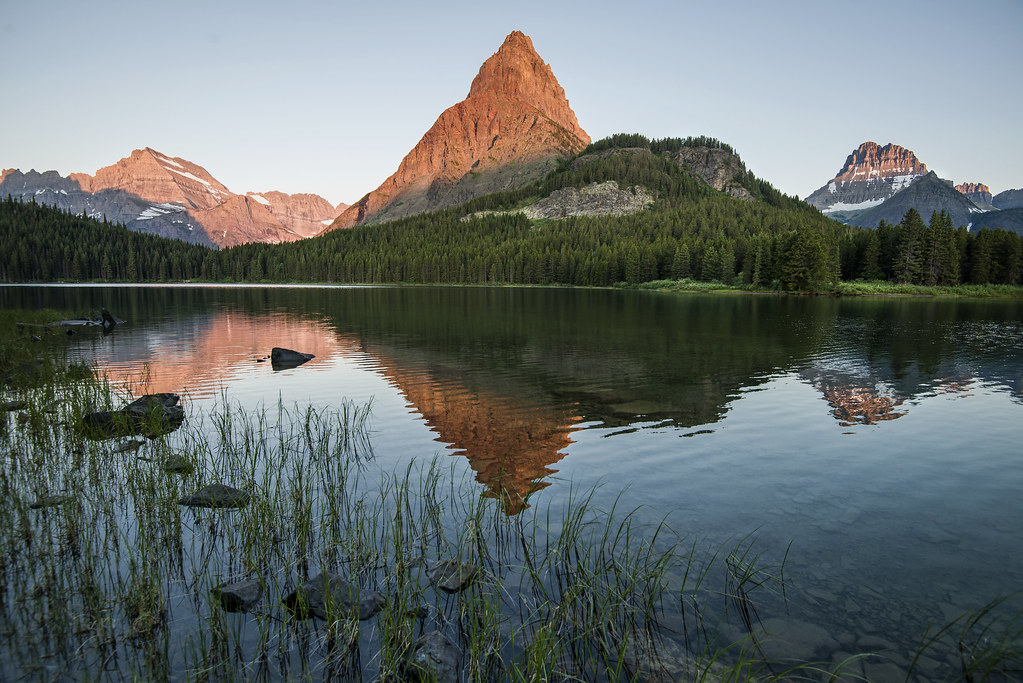
Many Glacier is home to Swiftcurrent Lake, Grinnell Glacier, and the historic Many Glacier Hotel. It’s located on the east side of the park, north of Going-to-the-Sun Road. It has a separate entrance from St. Mary.
You can hike around Swiftcurrent Lake or take a boat across it for a closer look. You can also hike to Grinnell Glacier or Iceberg Lake, which are two of the most popular trails in the park. Personally, my favorite trail in Many Glacier is Cracker Lake.
Two Medicine
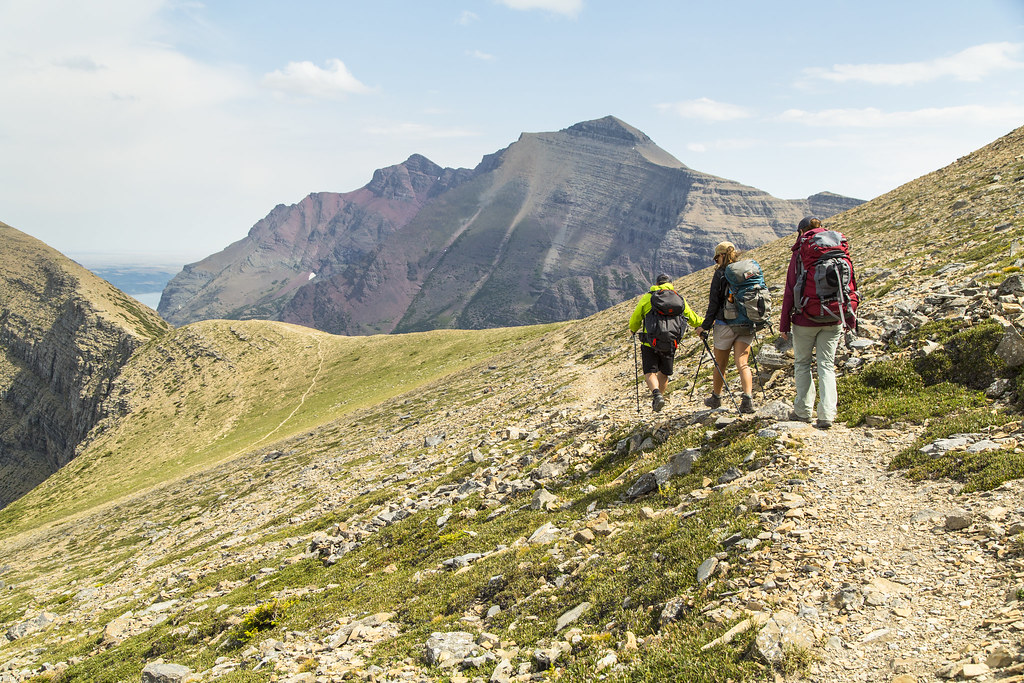
The Two Medicine area includes many lakes surrounded by dense forest with mountain views throughout. It’s located on the southeast side of the park.
There are several trails to explore, including some that lead into Glacier National Park’s more remote areas. Some of the park’s most difficult trails, Pitamakan Pass and Dawson Pass, are located here.
Pole Bridge
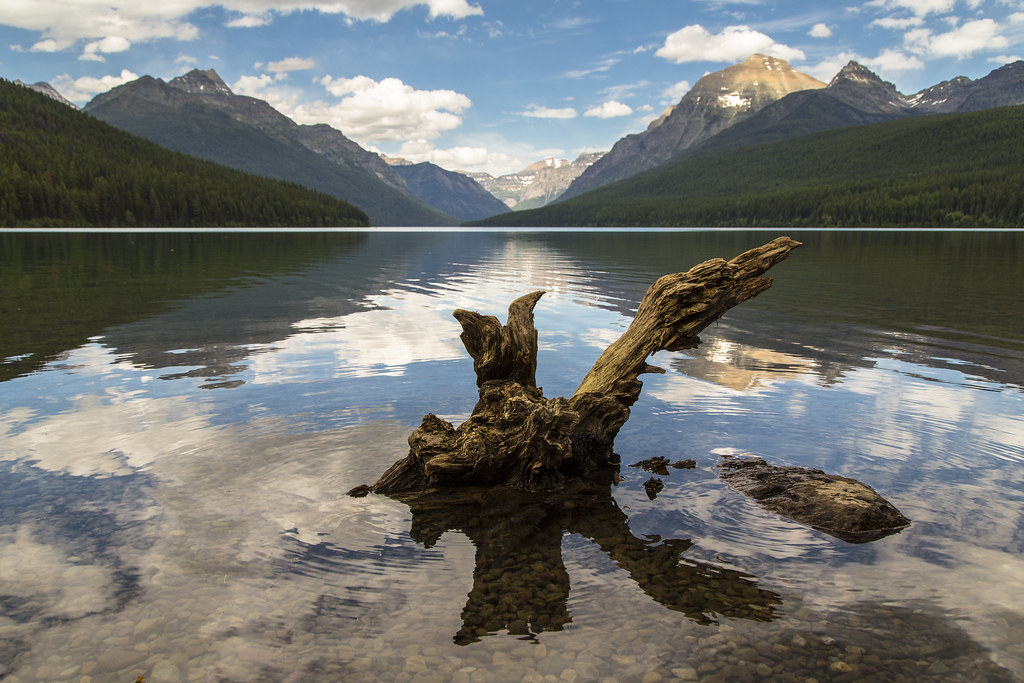
Pole Bridge is a great area of the park to visit if you hope to avoid crowds. It’s a quiet spot with fewer attractions. If you’re interested in swimming, Bowman Lake is a great option.
Goat Haunt

Goat Haunt can only be accessed on foot and is a backpacker’s paradise in Glacier National Park. It’s located on the west side of Waterton Lake, which is part of Glacier National Park and Canada’s Waterton Lakes National Park.
While extremely difficult to get to, Goat Haunt offers some of the best solitude you can find in Glacier National Park.
How Many Days to Spend in Glacier National Park
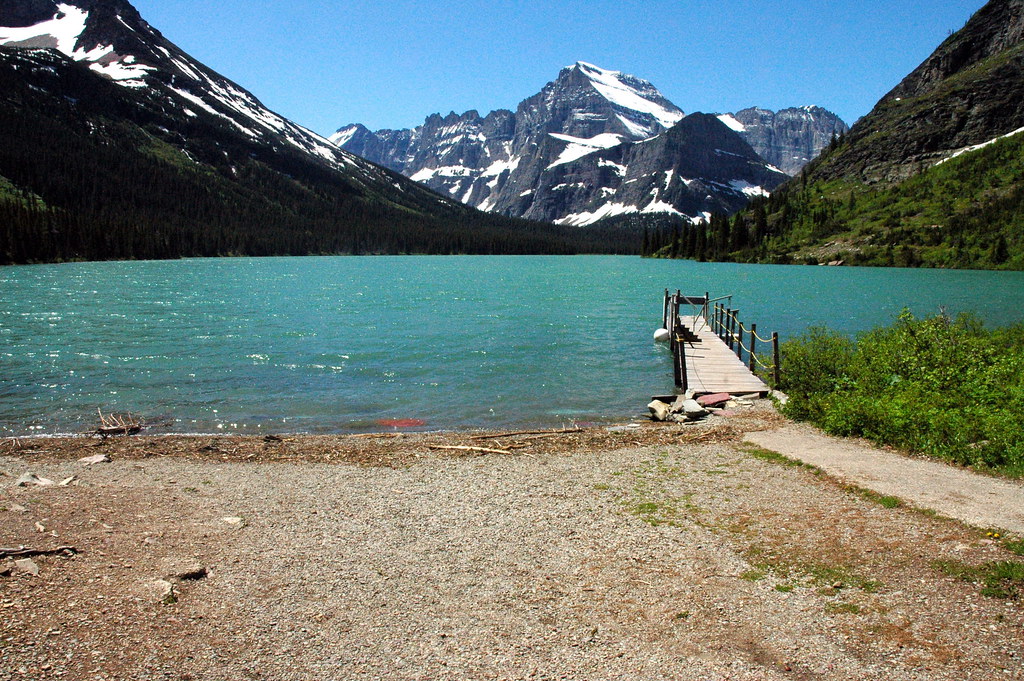
With a number of scenic drives and over 700 miles of hiking trails, you could explore this park for weeks, months, or years and not see everything. Unfortunately, you probably don’t have that long to explore.
To determine how much time you should spend in Glacier National Park, you need to ask yourself what you want to see and do while visiting and how much time you have to spare. Then, you can put together your Glacier National Park itinerary. Here are some things to think about.
If you only have one day in Glacier National Park, drive the park’s Going-to-the-Sun Road and take in the views. You may have time for one or two short hikes as well.
If you want to hike the park’s most popular trails and see the main attractions, you should allow at least three days.
If you’re interested in hiking more strenuous trails or backpacking in the park’s expansive wilderness, I would allow 4 to 5 days.
If you want to do as much as you possibly can, I’d allow a full week in the park. That’s what this 7-day Glacier National Park itinerary will focus on.
7-Day Glacier National Park Itinerary
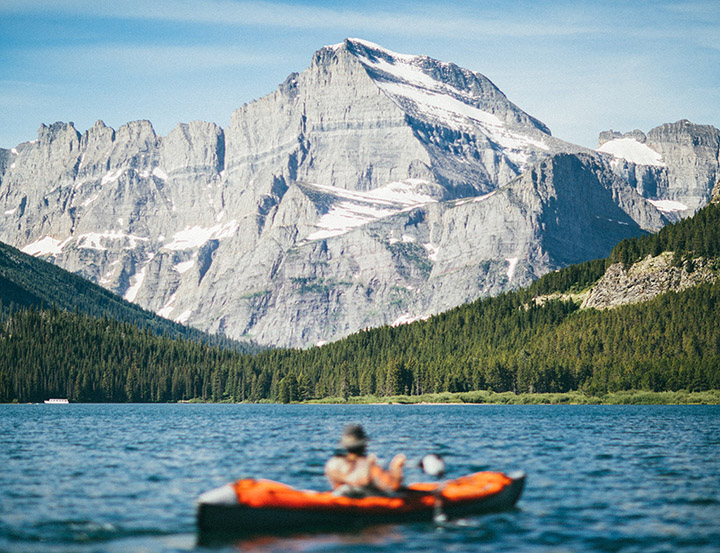
This Glacier National Park itinerary will include things to do over 7 days in Glacier National Park. Feel free to rearrange the itinerary to fit your schedule and what you want to see and do.
How to Use this Glacier National Park Itinerary
If you don’t have a full 7 days in Glacier National Park, feel free to pick and choose which days you’d like to follow below. I’d recommend starting from the beginning and focusing on the earlier days first. The first few days of this Glacier National Park itinerary include the best things to do and see in the park.
Here’s a quick overview of our Glacier National Park itinerary:
Day 1: Visit Apgar Village to get your bearings. Walk along the shore of Lake McDonald and enjoy a picnic lunch. Take a hike to Avalanche Lake and Trail of the Cedars, or spend the day paddling on the lake.
Day 2: Drive Going-to-the-Sun Road. Start with a hike to Hidden Lake Overlook at Logan Pass. Make your way east to St. Mary.
Days 3 and 4: Hike your heart out in the Many Glacier district. Options include Iceberg Lake, Grinnell Glacier, or Cracker Lake.
Day 5: Spend time in St. Mary. Explore some shorter trails to stunning waterfalls. If it’s a nice day, go for a swim in the lake.
Day 6: Visit one of the park’s less crowded areas, Two Medicine.
Day 7: Say goodbye to Glacier National Park with a thrilling farewell hike across the Highline Trail.
Day 1: Apgar Village and Lake McDonald
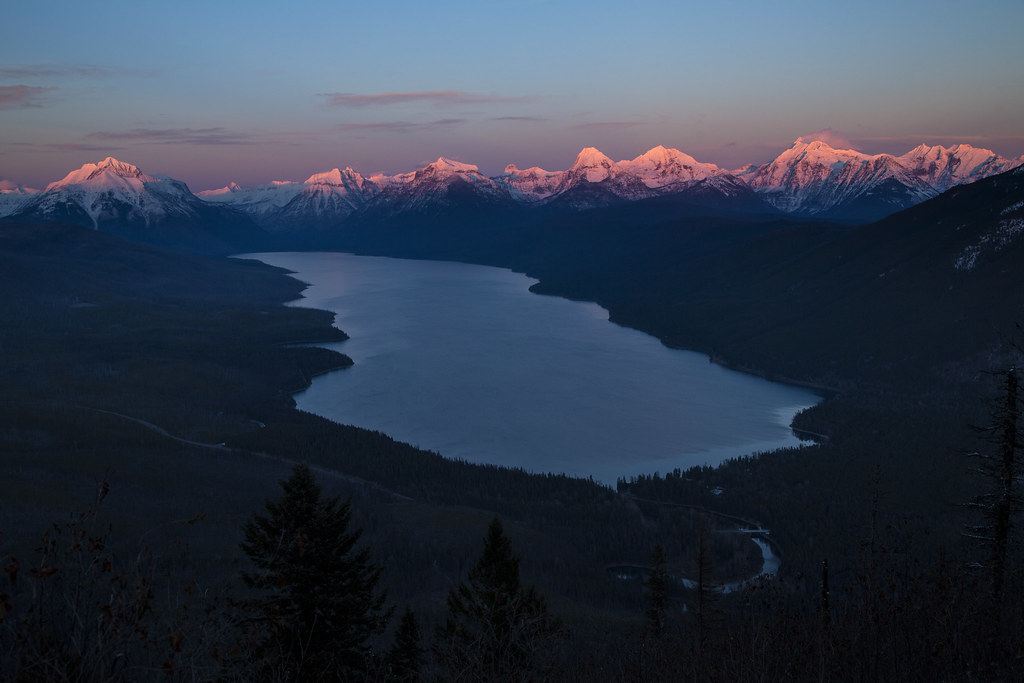
On the first day of your Glacier National Park itinerary, start your journey in Apgar Village. Here, you can stamp your national parks passport book and get your bearings with the help of knowledgeable park rangers.
Next, drive to Lake McDonald. Enjoy walking along the lakeshore before you take in the view from the dock at the lodge. Lake McDonald Lodge is also a great place for lunch or a picnic.
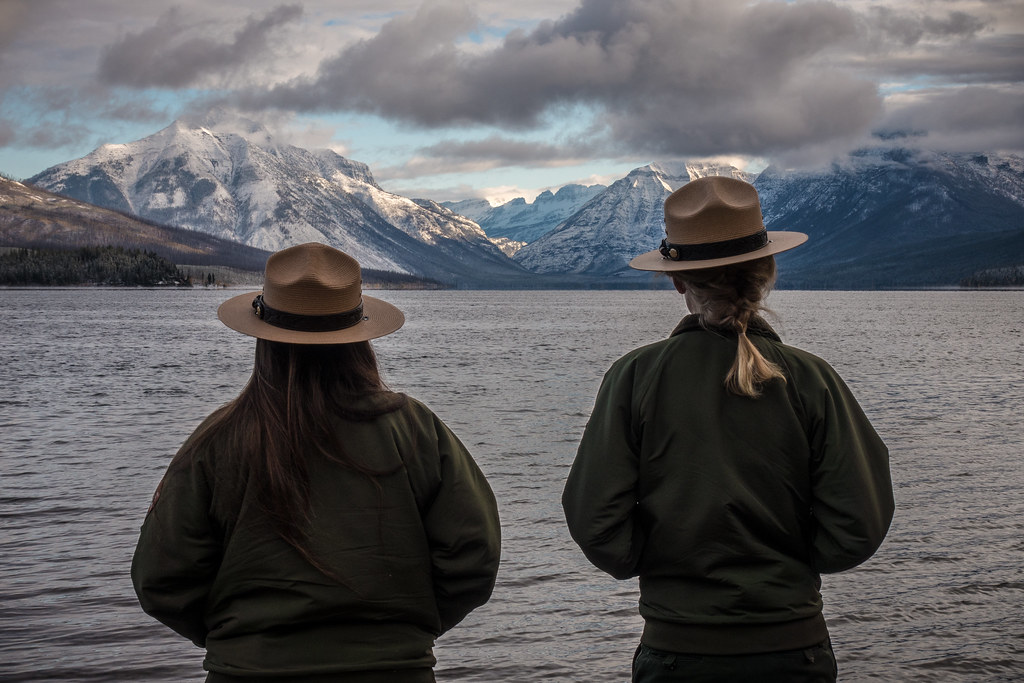
If you’re up for a longer hike, opt for Avalanche Lake. This trail is about 4.5 miles roundtrip. You should allow 2-3 hours for this hike to a beautiful lake. Like many hikes in Glacier National Park, this trail is very popular. You should start early if you’d like to avoid the crowds and find a parking space.
If you’d like to add on an additional short hike, go for the 1-mile Trail of the Cedars. The trail is accessible and mostly on a boardwalk. It’s home to giant cedars towering over the trail at 100+ feet high. Other shorter options include McDonald Falls or Johns Lake.
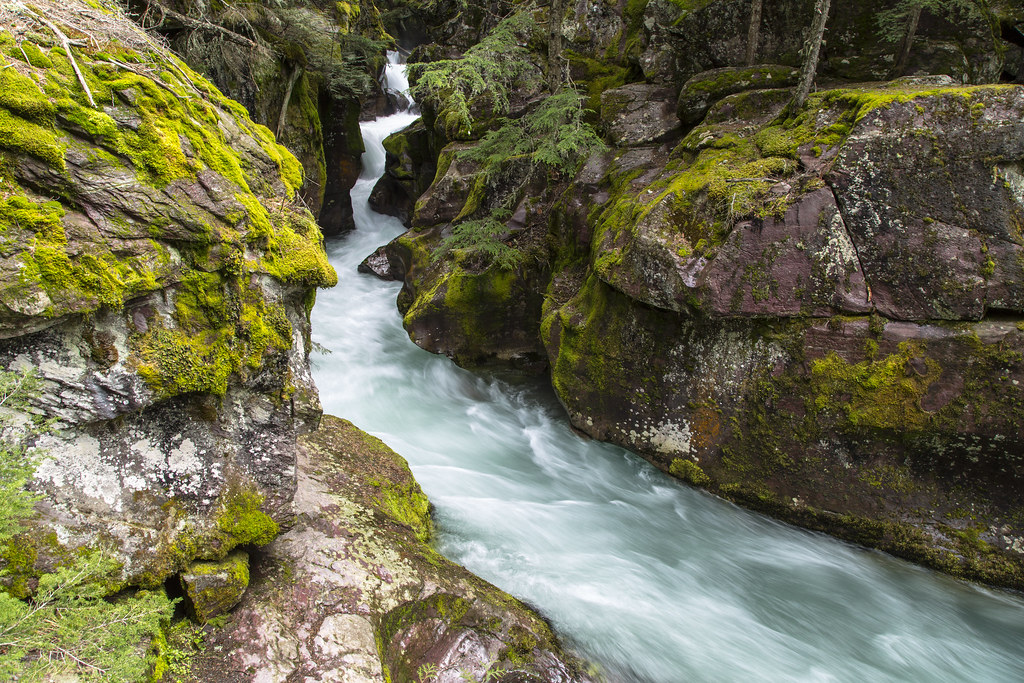
If you’d rather spend time on the water, visit the Apgar Village side of the lake. Here, you can rent stand-up paddleboards, kayaks, and more.
Finally, visit the Lake McDonald Lodge for dinner and a stunning sunset over the lake. You could also stay in Apgar Village for dinner and some shopping. Plus, the ice cream at Eddie’s is wildly popular if you’re in the mood for dessert.
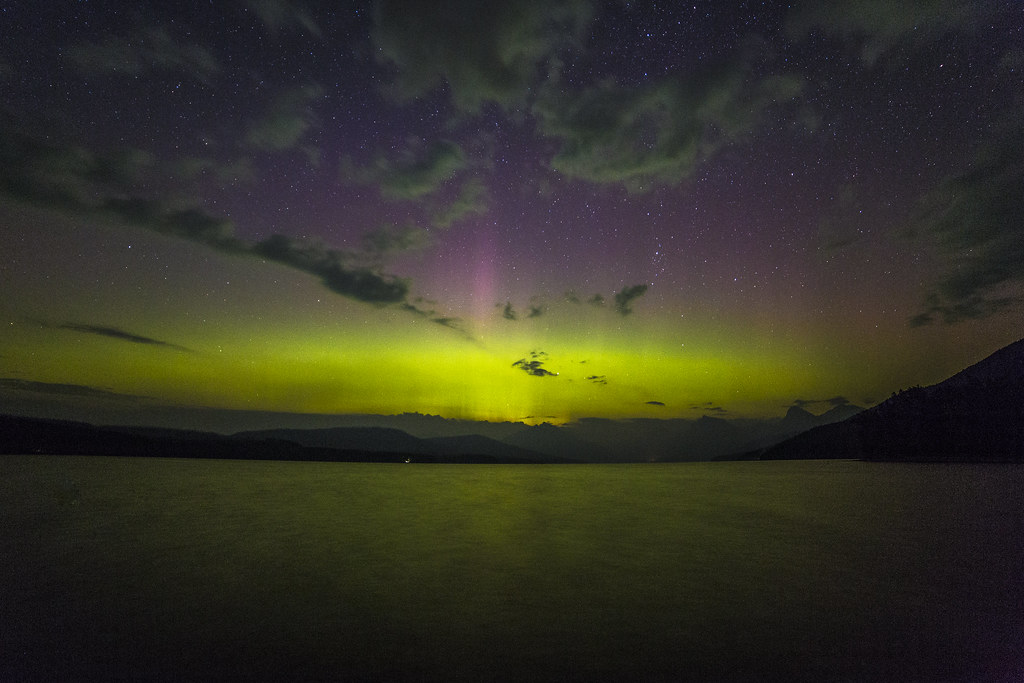
Once the sun goes down, stick around for glorious stargazing near Lake McDonald in this International Dark Sky Park.
Day 2: Drive Going-to-the-Sun Road
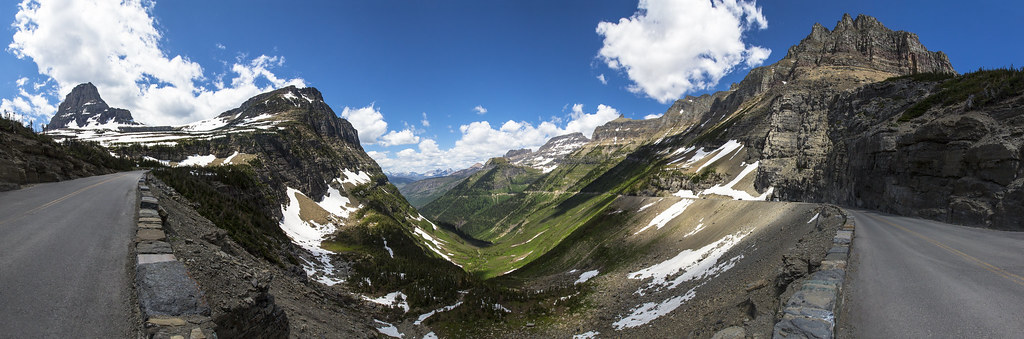
Next, get a feel for the rest of Glacier National Park while you drive the park’s main road. Get up bright and early; you have a full day ahead.
Before entering the park, I recommend stopping for gas. You won’t find any gas stations within the national park boundaries.
I recommend driving straight to Logan Pass, the highest point on Going-to-the-Sun Road, as early as you can in order to park. To get to Logan Pass, allow at least an hour from West Glacier and 1.5 hours from St. Mary.
Typically, parking at Logan Pass will fill by 8 a.m. In 2021, visitors reported the parking lot was full as early as 6 a.m. since visitors were arriving before the timed entry began. This trend is continuing as the demand to visit Glacier is only increasing.
Why the rush, you may be asking? One of the best hikes in Glacier National Park, Hidden Lake Overlook, begins at the Logan Pass Visitor Center.
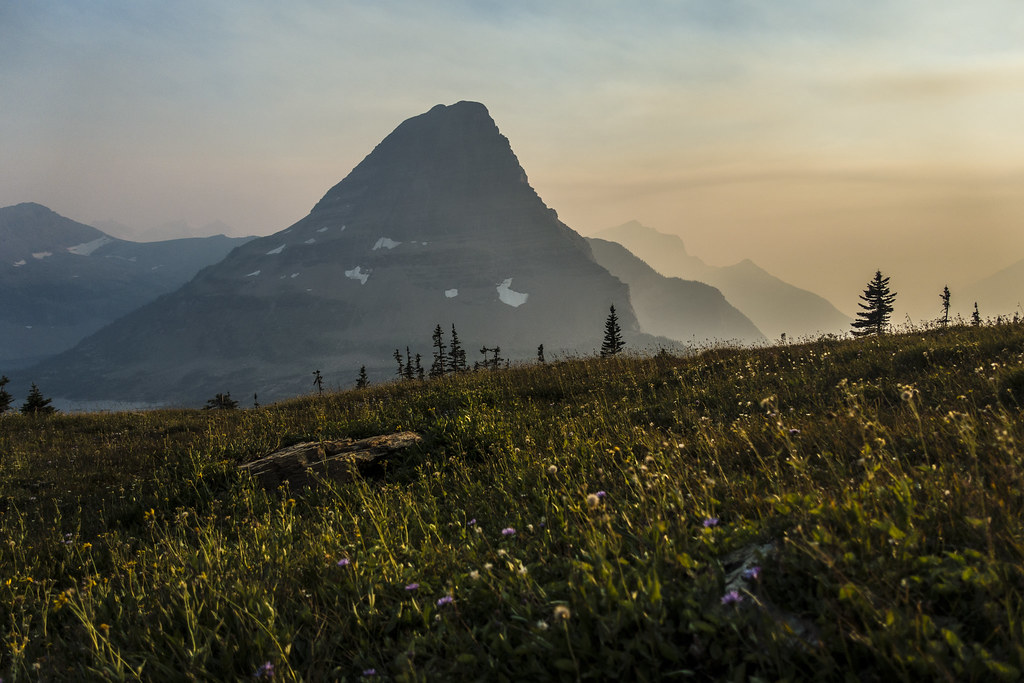
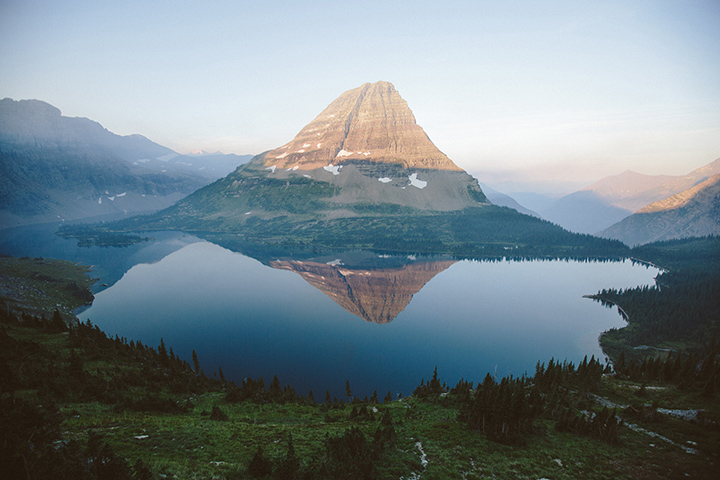
On your hike to Hidden Lake Overlook, you’ll climb about 500 feet over 3 miles (roundtrip) as you make your way to the overlook. Return the same way, downhill back to the parking lot. This view is one of the most photographed locations in the park. Allow about 1.5 hours to complete the hike. You can also continue beyond the overlook and hike an additional 1.2 miles (each way) to Hidden Lake.
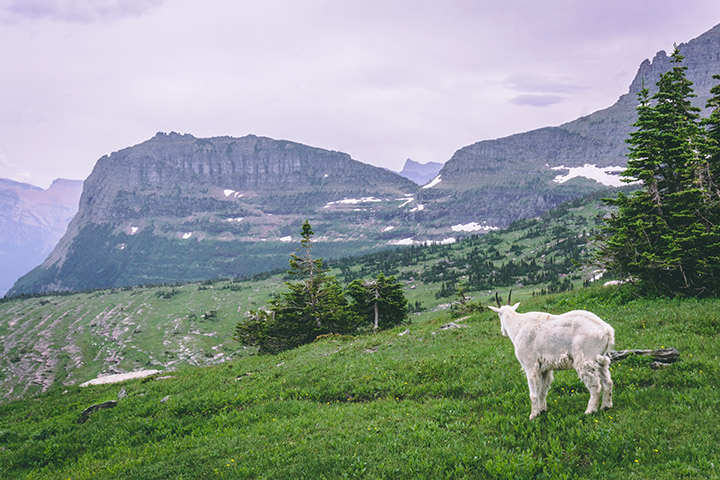
Before you leave Logan Pass, be on the lookout for mountain goats! They’re commonly seen in this area of the park.
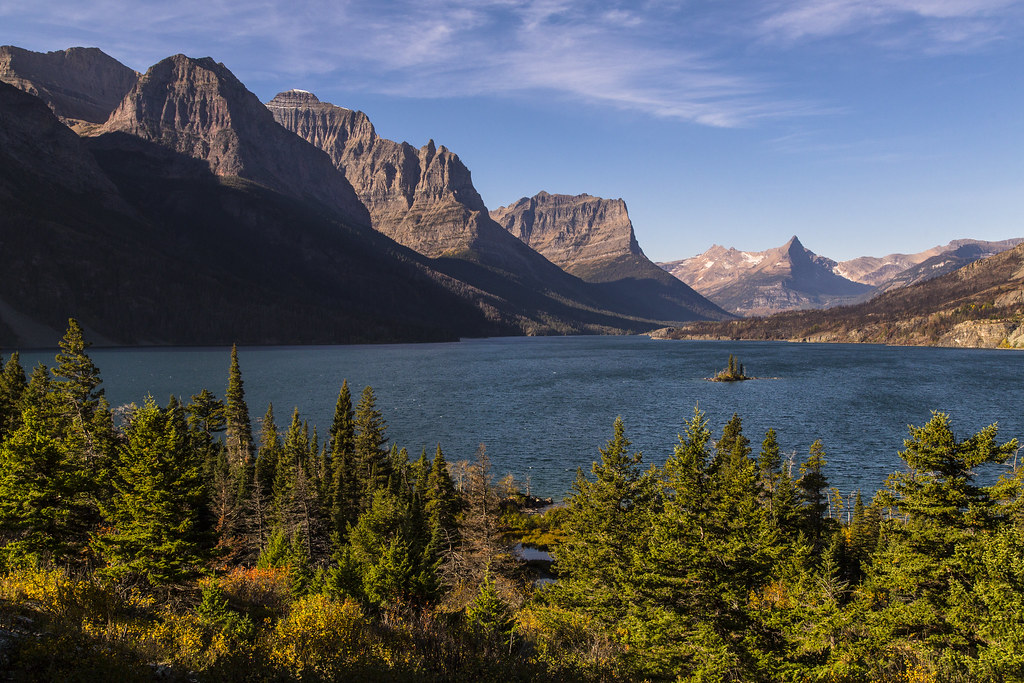
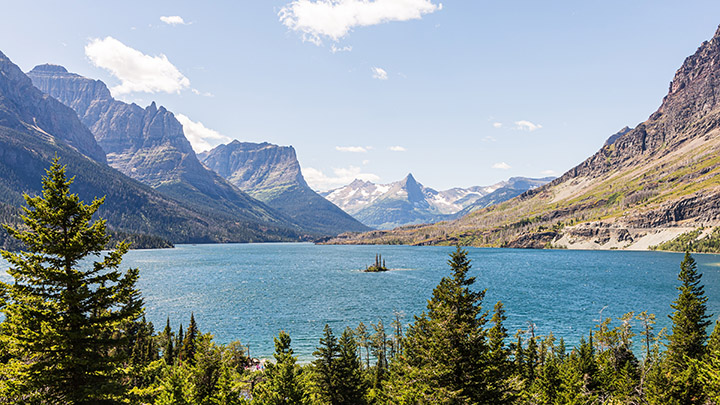
Next, I would continue on to St. Mary. On your way there, stop at the Wild Goose Island viewpoint and hike to St. Mary Falls. This short, 1.5-mile trail leads to a double waterfall. The trail also boasts stunning wildflowers! If you have time, you can continue another mile to Virginia Falls.

St. Mary is also an excellent place for lunch or dinner. There are plenty of restaurants here to choose from.
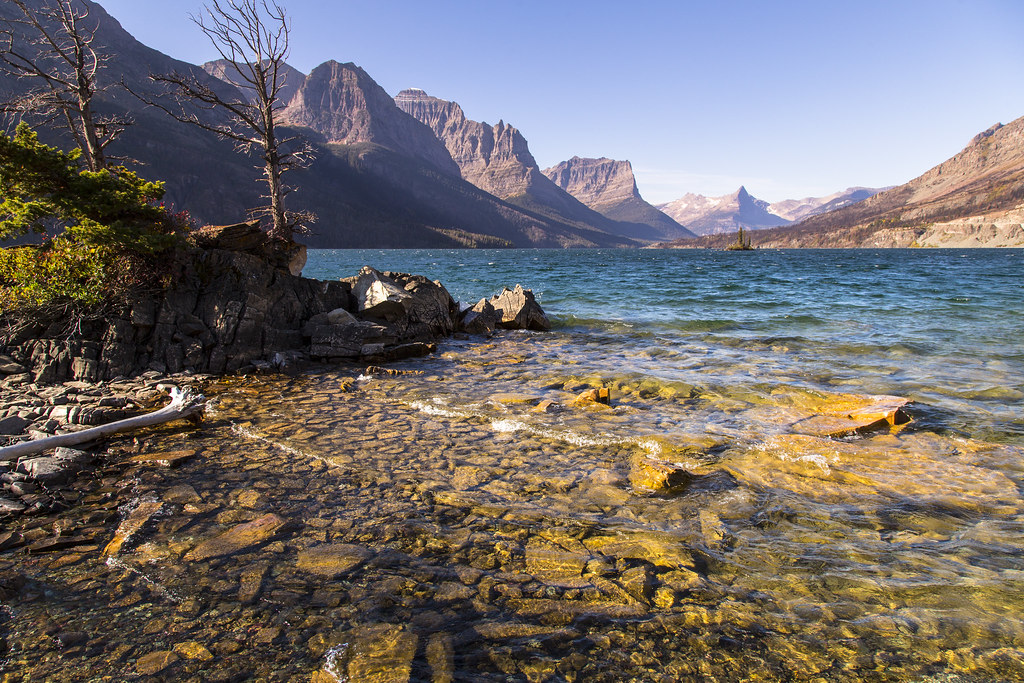
On your way to St. Mary, you’ll be able to stop at the overlooks to enjoy the views and take as many pictures as you’d like. Some popular places to stop include Weeping Wall, Big Bend, Jackson Glacier Overlook, Sunrift Gorge, and Sun Point.
Day 3: Many Glacier District
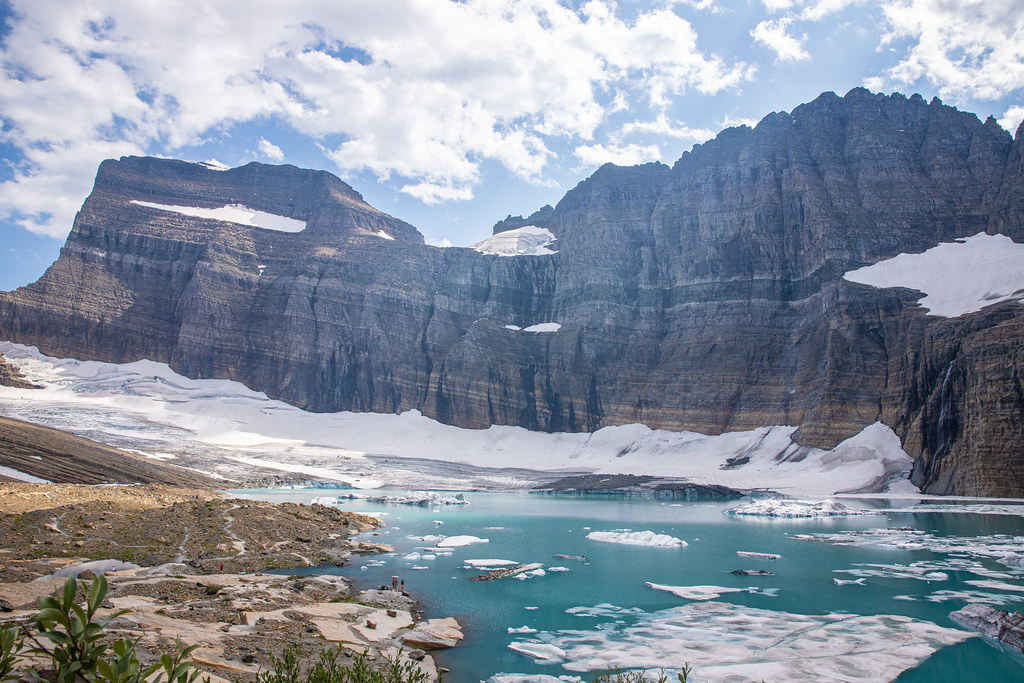
For the third and fourth days of your Glacier National Park itinerary, I recommend traveling to a part of the park you haven’t seen yet: Many Glacier.
This is the most popular district that’s not on the Going-to-the-Sun Road corridor. Attractions include the hike to Grinnell Glacier, Many Glacier Hotel, and boat tours of two lakes. This is what you’ll focus on today.
The hike to Grinnell Glacier Viewpoint is 10.5 miles and climbs 1,600 feet to the vista. If you’re interested in a shorter hike, take the boat tour to the Josephine dock to shave 3.5 miles off your hike (in each direction).
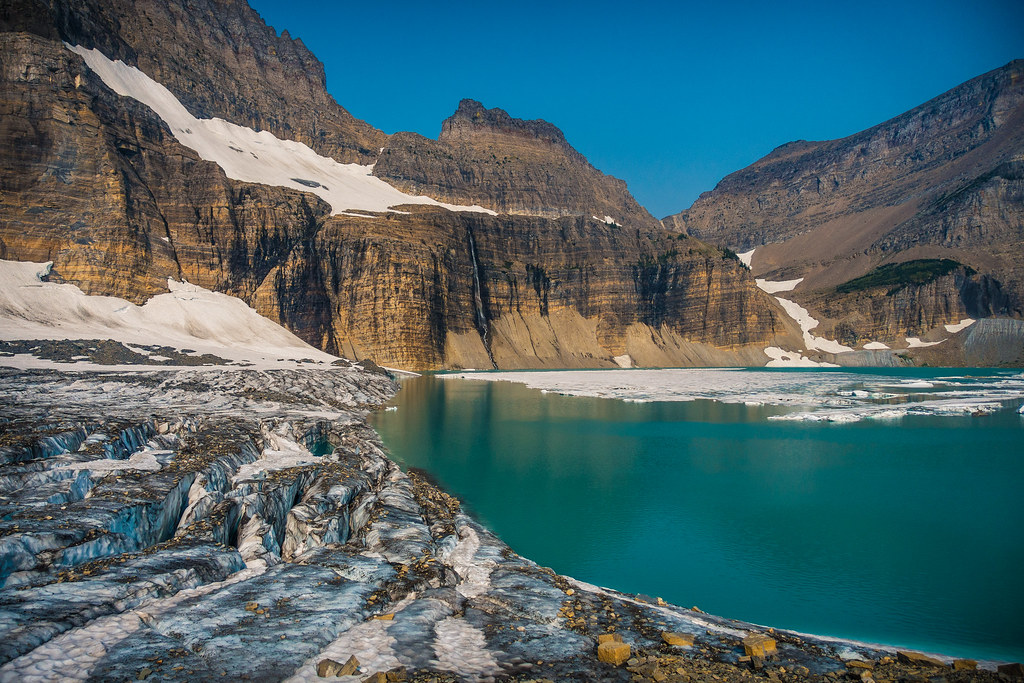
The boat tour cuts out the flat portion of the trail, so you should still expect a steep trek. The trail is mostly exposed so wear your sunscreen and don’t attempt the hike in the middle of the day.
Boat tours fill up weeks in advance, especially early morning trips. Book your tickets as soon as you can. I advise booking at least 2 months in advance, but earlier if you can. Arrive early to pick up your tickets before the departure time.
Lastly, you can reward yourself with dinner at Many Glacier Hotel and/or a relaxing evening stargazing on the lakeshore.
Day 4: Many Glacier District
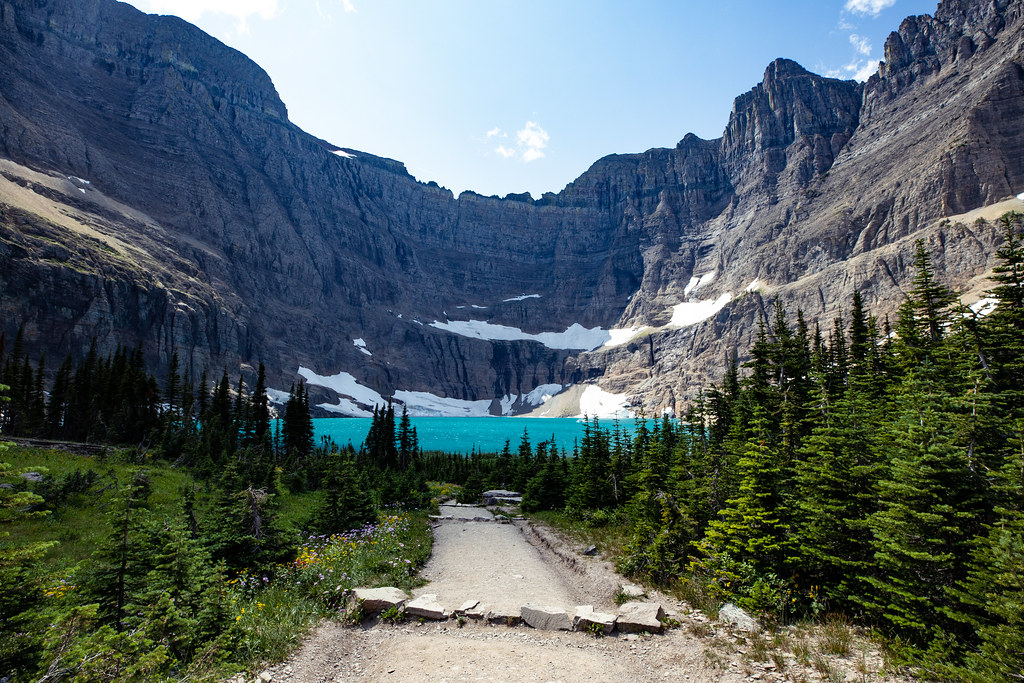
If you have an extra day to spend in the Many Glacier District, another great hike is Iceberg Lake (9.6 miles roundtrip). It’s longer than Grinnell Glacier and one of the longer hikes on this Glacier National Park itinerary, but the scenery is breathtaking. The first part of the trail is steep before the grade becomes more moderate.
You could make your trek to Iceberg Lake even longer by adding on an excursion to Ptarmigan Tunnel. This is best completed between mid-July and late September when the tunnel doors are open.
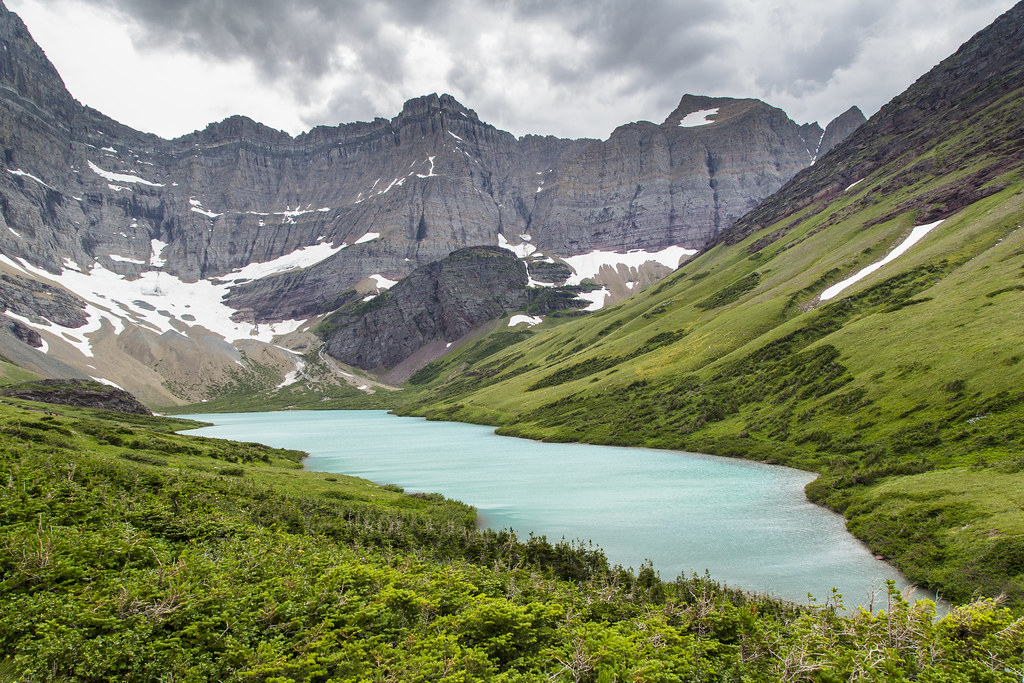
I’d also highly recommend Cracker Lake. Cracker Lake is one of the most underrated hikes in Glacier National Park. The 12.8-mile hike will take you at least half the day, so pack a lunch, snacks, and plenty of water.
If both of these sound too strenuous or too long, opt for a shorter hike to Twin Falls or Baring Falls.
Day 5: St. Mary District
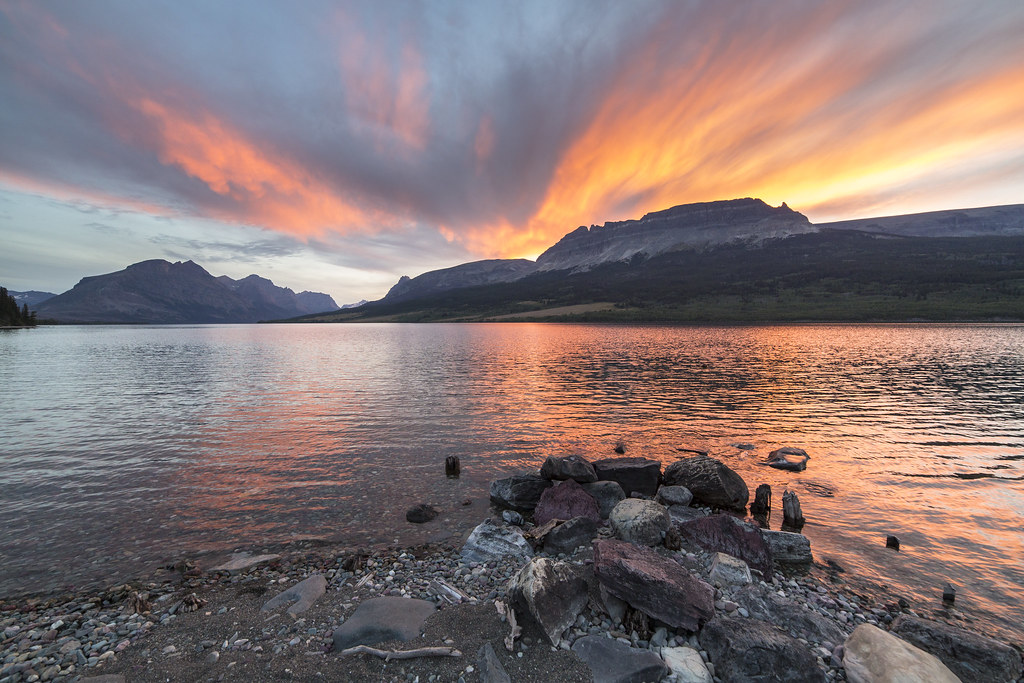
Next, spend your day relaxing in the St. Mary area. If you’re a bit worn out from hiking, there are some easy strolls here.
Sun Point Nature Trail, for example, goes along St. Mary Lake and features three waterfalls. Due to wildfires in 2015, thinner trees provide amazing views of the lake and the mountains beyond.
If it’s a hot and sunny day, take a dip in the lake!
The Goat Haunt district is also nearby. Here, you can get a sense of the expansive wilderness in Glacier and Canada’s Waterton Lakes National Park. Many backpacking trips begin here, but there are also plenty of opportunities for day hiking. Both are also great places for scenic drives if you’re done walking for today.
Day 6: Two Medicine
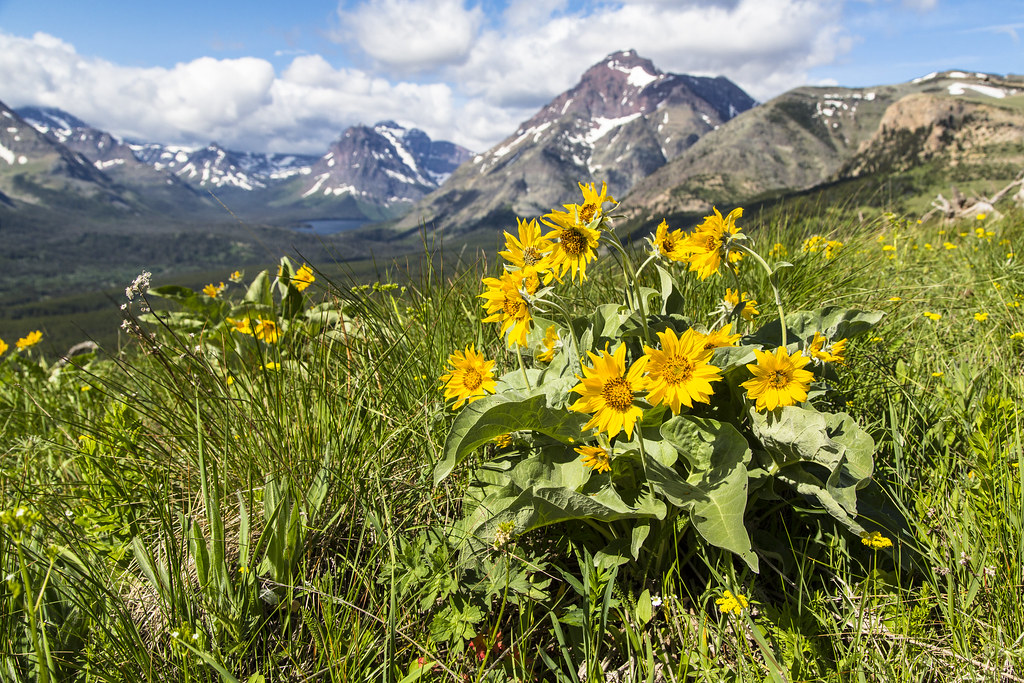
If you’re hoping to explore a less popular section of the park, look no further than Two Medicine.
Though nothing is on par with Going-to-the-Sun Road, Highway 49 (Looking Glass Highway) is pretty scenic as well. You’ll be able to stop at plenty of picturesque pullouts as you make your way to Two Medicine.
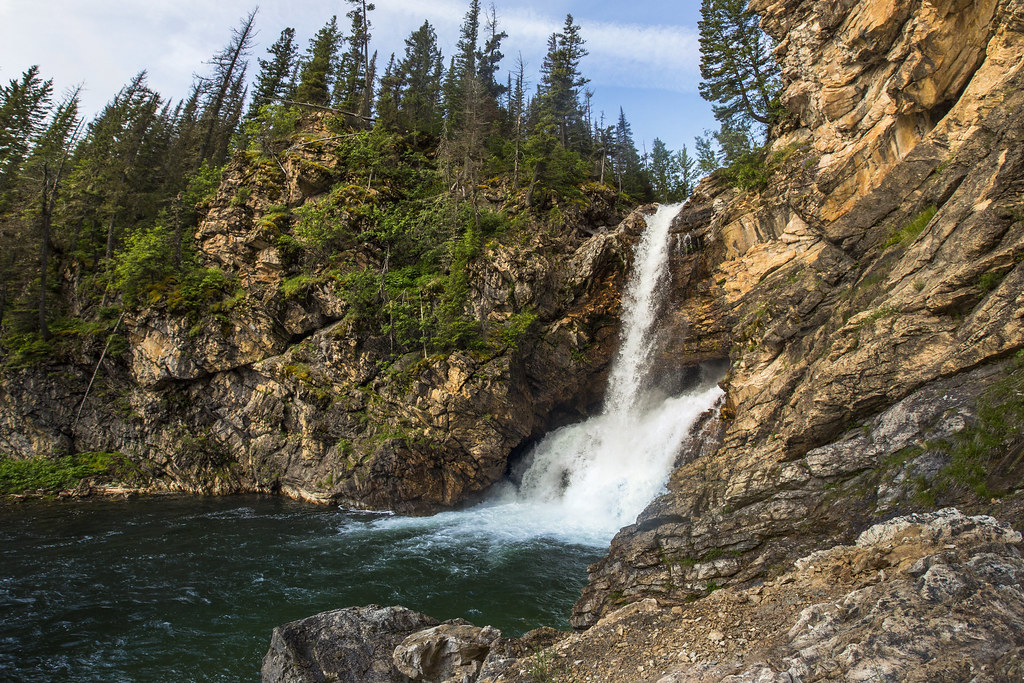
Once you arrive at East Glacier, stop for gas (if needed) and food.
Proceed into the park for more grand adventures. You can take short hikes to waterfalls, paddle on the bright blue water, or take a longer hike to Upper Two Medicine Lake. Popular hiking options include Running Eagle Falls, Aster Falls, or No Name Lake.
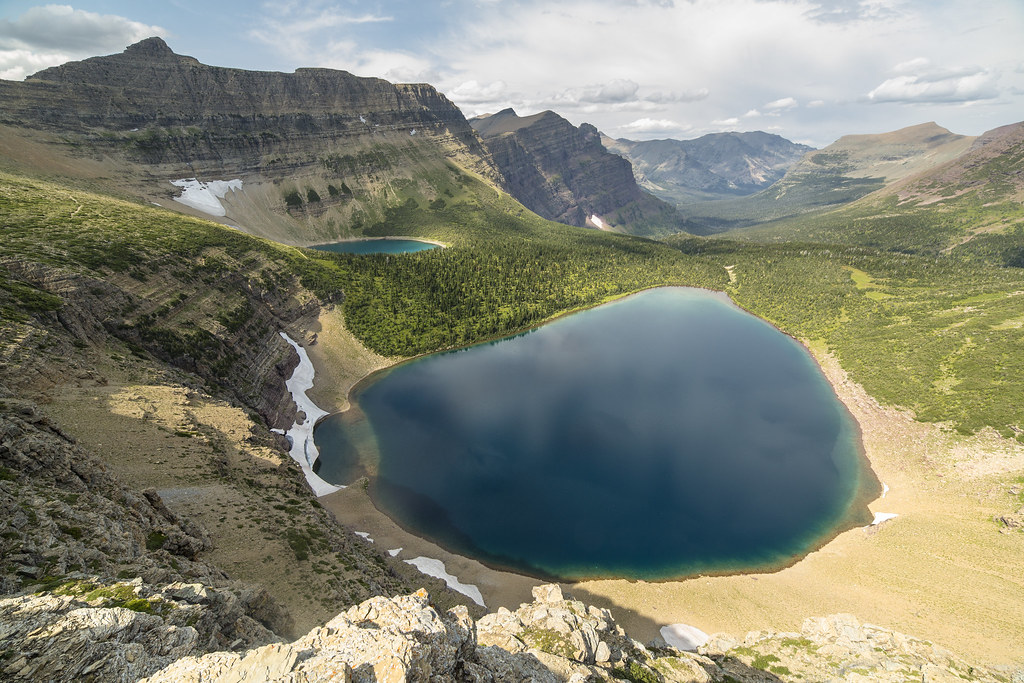
For more strenuous day hikes, consider Pitamakan Pass or Dawson Pass. These trails are some of the longest in the park, but they offer some of the most rewarding views.
You can also take a boat across Two Medicine Lake to hike to Twin Falls.
Day 7: Highline Trail
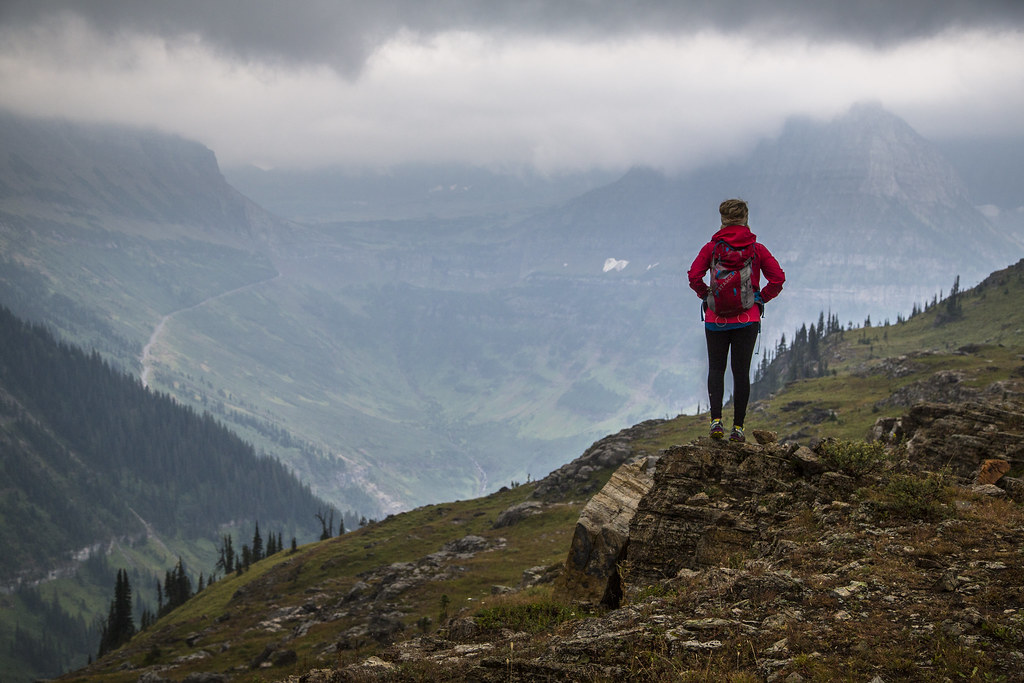
If you ask anyone what you have to include in your Glacier National Park itinerary, I’d be surprised if they didn’t mention the Highline Trail. This is widely regarded as one of the best trails in the park.
This 12-mile trail is also one of the longest, most popular, and most strenuous. It traverses a lot of the same terrain as Going-to-the-Sun Road, only it looks down on the scenic highway. I recommend ending your trip with this trail, as it’s the perfect goodbye to this beautiful park.
Since it’s so popular, I recommend starting before 6 a.m. You’ll need to park at Logan Pass Visitor Center, and it’s never easy to find a spot there. The earlier you arrive, the better. Your trailhead is located across the street.
Since parking is such a challenge at Logan Pass, you could also try to park at The Loop and then take the shuttle to Logan Pass. From there, hike back to your car on the Highline Trail. Remember, The Loop parking will also fill quickly, so it’s still best to start early.

If you’re up for a challenge, take the optional excursion up to Garden Wall. This is a steep climb, but worth it for the incredible views over Grinnell Glacier. You’ll get to look down on an area you hiked to back on day 3 of this Glacier National Park itinerary. Enjoy the turquoise waters as you traverse the line of the continental divide.
PARKS EXPERT TIP: Highline Trail only opens once it’s clear of snow. Sometimes, the trail is closed until mid-July. Plan accordingly if this hike is on your list.
Plan to stop for lunch or snacks at the Granite Peak Chalet, one of the more famous buildings in Glacier National Park. If you’re interested and have the time, you could also spend the night here and split up your hike.
Pin the Expert’s Glacier National Park Itinerary

Glacier National Park is truly one of the most impressive places on Earth. The sheer scale and beauty that this park offers cannot be overstated. If you’re looking for a place that will leave an impression, look no further than the “Crown of the Continent”.
From Going-to-the-Sun Road to hikes like the Highline Trail, there’s so much to explore. If you’re looking for a Glacier National Park itinerary, this is a great place to start. If you find it helpful, please share it with your friends and tell us all about your trip in the comments.