

Article Summary: Visiting Everglades National Park, Everglades Map, Everglades National Park Facts, Everglades National Park Cost, Everglades National Park Visitor Center
Everglades National Park is one of the most unique places in the country. There’s no place else quite like Southern Florida, which makes it so special.
Growing up in Florida, I’ve been to the Everglades multiple times. In this Everglades National Park guide, I’ll cover everything you need to know about visiting Everglades National Park.
This guide includes maps, trails, things to do, camping, where to stay, what to pack, and more.
This post may contain affiliate links. If you make a purchase, I may earn a small commission at no additional cost to you. For more information, view my privacy policy.
Table of Contents
Everglades National Park Overview
Location: Florida
Gateway Towns: Homestead and Everglades City
Best Airport: Miami International is the closest major airport, about one hour from the park’s Homestead entrance. Another option is Fort Lauderdale-Hollywood International.
Best Time to Visit: Fall, winter, and spring are the best seasons in the Everglades. Summer is the wettest time of year and coincides with hurricane season.
How to Get Around: You’ll need a vehicle to explore the park. There is no public transportation, and ride-share apps are not reliable.
Pets: While technically allowed in the park, pets are not allowed on any trails or tours.
Fee: It costs $35 per car, $25 per motorcycle, or $20 per pedestrian/cyclist to enter the park. Your entrance is valid for seven days.
Reservations: Reservations are not required to enter the park. They may be recommended for other activities, such as Shark Valley Tram Tours.
Where to Stay: Homestead has everything you need, such as restaurants and shops. There are also several options for camping in the Everglades.
Visiting Everglades National Park Map

You can click on the Everglades map above to save it to your computer and/or view the full map. For more maps, visit this page.
Fun Facts About Everglades National Park
- On average, Everglades National Park receives about one million visitors per year.
- After Death Valley and Yellowstone, Everglades is the third-largest national park in the contiguous 48 states. View all the national parks by size.
- The park protects the largest subtropical wilderness in the country as well as the largest wilderness east of the Mississippi River (the Marjory Stoneman Douglas Wilderness).
- Everglades National Park contains the largest mangrove ecosystem in the Western Hemisphere, and the second-largest in the world.
- The most significant breeding ground for tropical wading birds on the continent is located in the Everglades.
- Humans have lived in or around the Everglades for thousands of years.
- South Florida is the only place on Earth where alligators and crocodiles co-exist, and Everglades National Park is the best place to try and see both in the United States. This is due to the brackish water, a mixture of fresh and saltwater with lower salinity.
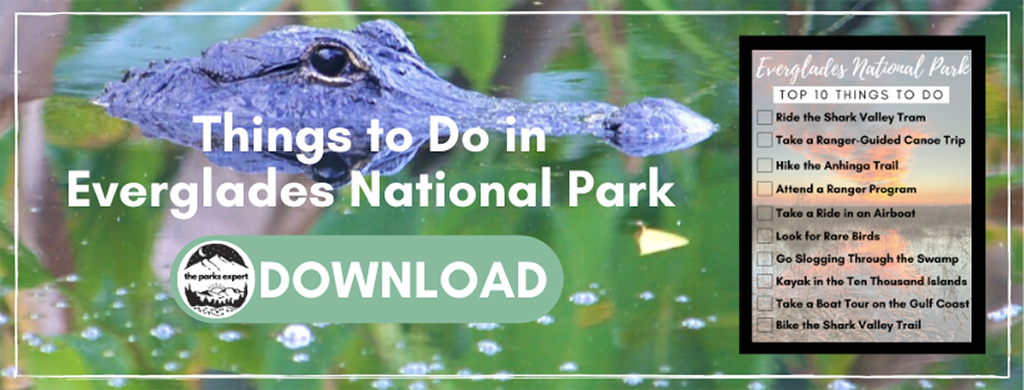
Why is Everglades a National Park?
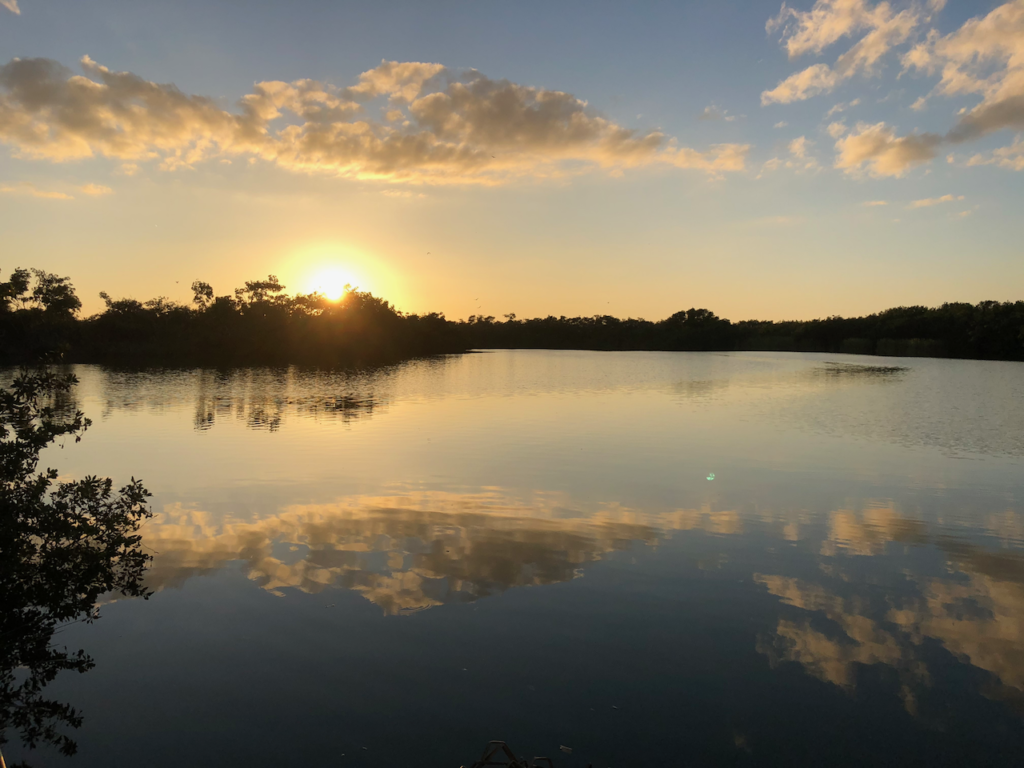
According to the Foundation document, the purpose of Everglades National Park is as follows:
“Everglades National Park preserves the largest subtropical wilderness in the nation, a vast natural area in the southern Everglades and Florida Bay known throughout the world for its unparalleled ecological values, natural hydrologic conditions, vibrant cultural heritage, and unique recreational and educational opportunities.”
Additionally, the park protects certain significance, including interconnected waterways, wilderness, ecosystem restoration, avian significance, human history, and more.
When to Visit Everglades National Park
Rather than elaborating on the four seasons of the year, I’ll focus on the true seasons of Everglades National Park. There are two distinct seasons: the dry season and the wet season.
Everglades National Park Weather
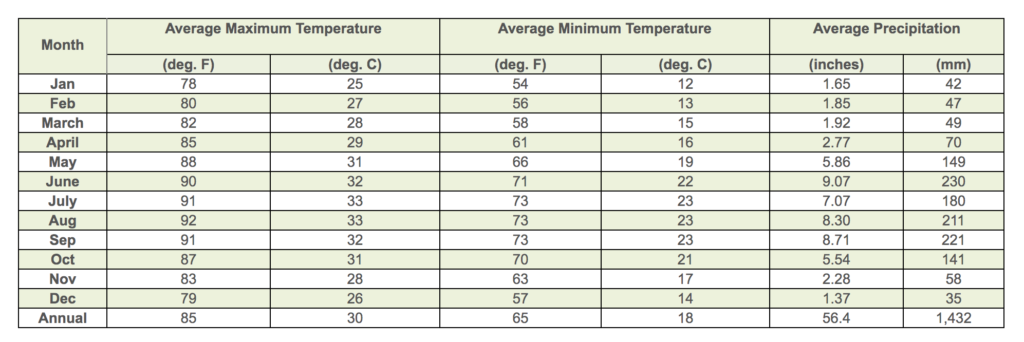
The table above is based on the Royal Palm area of the park.
Visiting Everglades National Park in the Dry Season

In the winter dry season, you’ll find the weather at its most pleasant and the crowds at their most abundant. Visiting Everglades National Park is extremely popular in the winter. This time of year, temperatures are much milder and there are fewer biting insects.
Furthermore, this is the dry season, so it rains less. However, it can still rain at any time of year. Typically, the dry season is from November to March. This is also when the largest variety of wading birds are visiting the Everglades. You can learn more about visiting Everglades National Park in the dry season here.
Visiting Everglades National Park in the Wet Season
The dry season means water levels are lower, which can make some water activities more challenging. That’s not the case in the wet season. This includes activities such as paddling and slogging. The wet season generally occurs from April to October. Some water-based activities will be easier when the water levels are higher.
This is also hurricane season, so be prepared for potential emergency situations. You can learn more about the wet season here.
It’s also very humid in this subtropical climate. You should prepare for the warm days to feel even hotter.
Drink lots of water on days with a high heat index.
Getting There and Getting Around
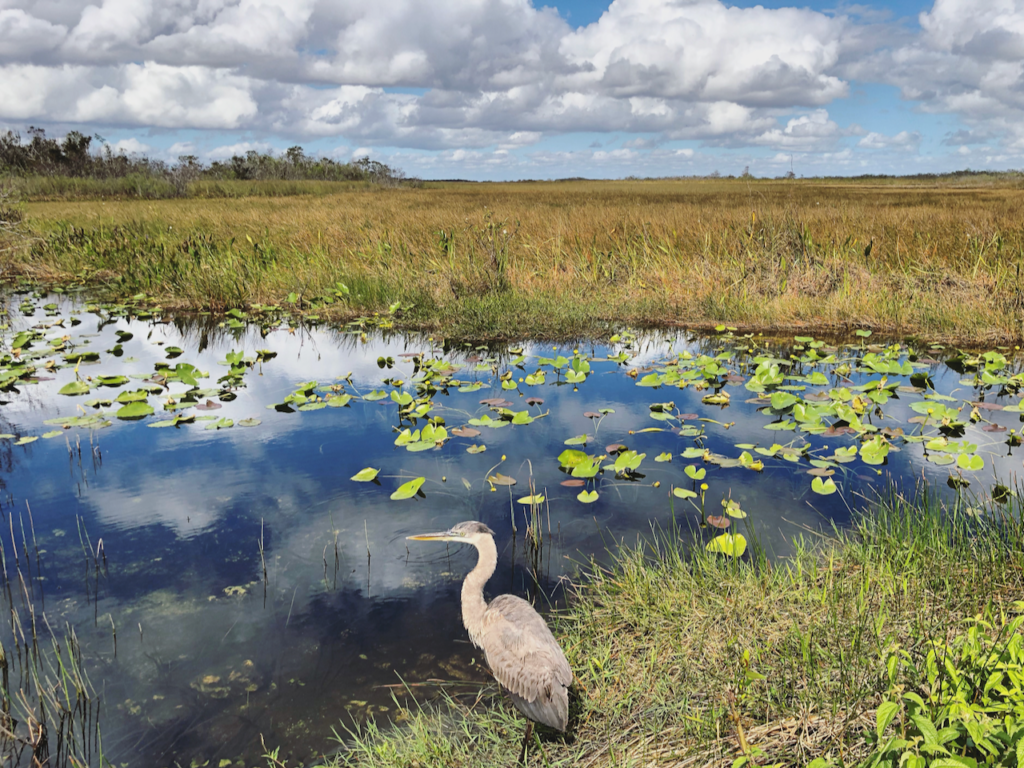
How to Get to Everglades National Park
The closest major airports are Miami International and Ft. Lauderdale-Hollywood International. You can also fly into Tampa and begin your journey from the western side of the park. Check the latest deals on Skyscanner.
There are three distinct entrances for visiting Everglades National Park: Homestead/Royal Palm, Miami/Shark Valley, and Everglades City/Gulf Coast.
The Homestead entrance at Royal Palm is considered the main entrance. Here, you’ll find the Ernest F. Coe Visitor Center and many popular trails. This is also the only road that provides access to the majority of the park, including the Flamingo area and Guy Bradley Visitor Center.
The Shark Valley entrance is closest to the Miami area. Here, you can ride the Shark Valley tram or bike to the observation tower. The 15-mile paved road is filled with wildlife, including a variety of birds and plenty of alligators. Arrive early to make sure there’s a place to park!
The Gulf Coast entrance in Everglades City provides access to the Gulf of Mexico. This is a popular area for water-based activities such as paddling and boat tours. You can paddle through the famous Ten Thousand Islands region or take a boat tour into the Gulf for possible wildlife viewing, including dolphins and manatees. Check with the park for current operations as this area undergoes the construction of a new visitor center.
Last but not least, the Guy Bradley Visitor Center in Flamingo is the southernmost visitor center in the park. It is only accessible by the main road from Royal Palm or by water. The marina is a great place to look for crocodiles and manatees.

Getting Around
The easiest way to get around the park is by car. There are plenty of rental car companies available in Miami and the surrounding area. There is no public transportation available within the park. Uber, Lyft, and other rideshare services are not recommended.
Another common way to get around is by watercraft. There are multiple canoeing trails within the park. You can rent kayaks and canoes at multiple locations, Flamingo and Gulf Coast being the most common.
Be sure to follow the marked trails unless you have the skills to read nautical maps and navigate the other areas of the Everglades.
How Much Does Everglades National Park Cost?

There is a small fee to enter Everglades National Park. You can purchase this online before your trip to save time. These fees only cover your entrance to the park and do not include any tours, camping, boat rentals, or other services.
As of 2024, the Everglades National Park entrance fee is $35 per vehicle. This is valid for 7 days. More information about the Everglades National Park cost and exceptions can be found here.
America the Beautiful Passes
If you’re visiting other national parks in the area, the smartest thing to do is purchase an America the Beautiful Pass. Annual passes cost $80 and will admit everyone in the vehicle at most national parks around the country.
If you’re currently serving in the United States military, have volunteered for a national park, are in fourth grade, or have a permanent disability, you may be eligible for one of the free passes issued by the National Park Service.
Lastly, there is an annual pass for seniors 62 and older for $20. Seniors are also able to purchase a lifetime pass for $80.
Other national parks in Florida that charge an entrance fee include Canaveral National Seashore, Castillo de San Marcos National Monument, Dry Tortugas National Park, and Gulf Islands National Seashore.
How Much Time Should I Spend Visiting Everglades National Park?
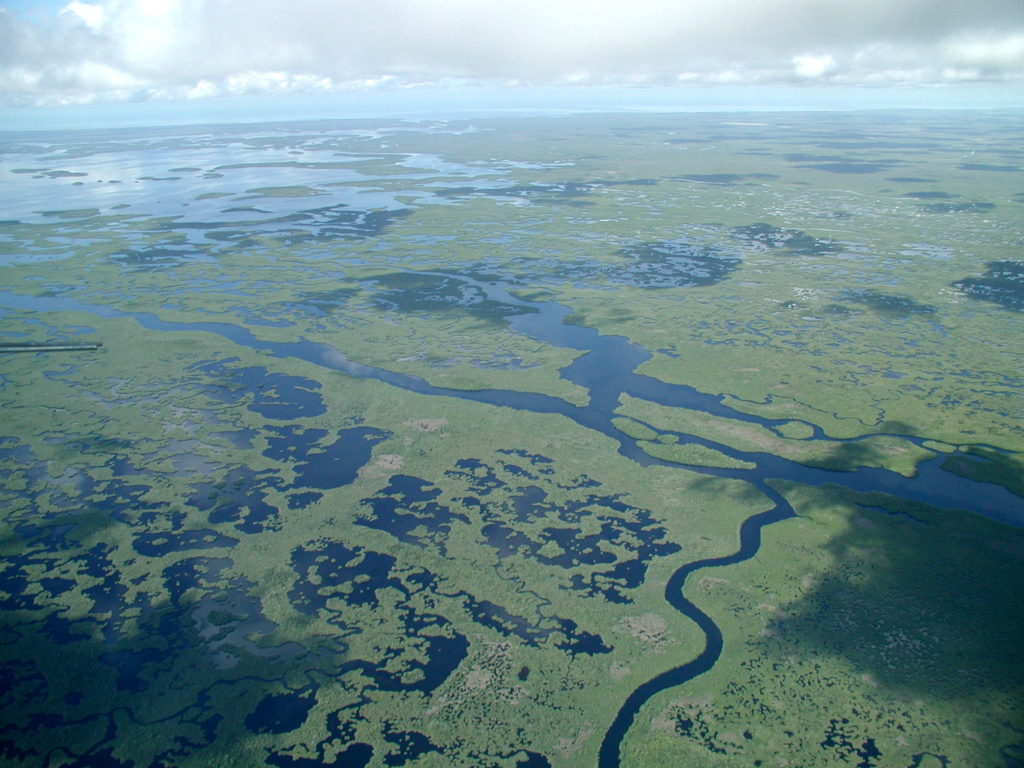
One Day in Everglades National Park
With only one day in the Everglades, I would focus on the Main Park Road. You’ll see an abundance of wildlife on the Anhinga Trail and other stops along the way to Flamingo. There, you can rent canoes or kayaks and spend time on the water. Boat tours are also available if you’d prefer not to paddle yourself.
Driving the road to Flamingo offers many places to stop and see the variety of ecosystems protected by the National Park Service. With only one day in the park, this is a great way to experience most of what there is to see in a short period of time.

Multiple Days in Everglades National Park
If you can, it’s best to spend multiple days in Everglades National Park. It is a huge park with vastly different sections worthy of their own exploration.
I would personally spend at least one day in each district. Start on either the eastern or western end and work your way across, finding a convenient time to make the drive to Flamingo.
Places to Stay Near Everglades National Park
Near Shark Valley: Miccosukee Resort, Best Western Plus, Holiday Inn, Courtyard, DoubleTree
Near Royal Palm: Hoosville Hostel, Best Western, Quality Inn, Travelodge, Baymont, Garden Inn
Near Gulf Coast: River Wilderness Waterfront Villas, Everglades City Motel, Ivey House
Near Flamingo: Flamingo Lodge, Eco-tents
Everglades National Park Camping
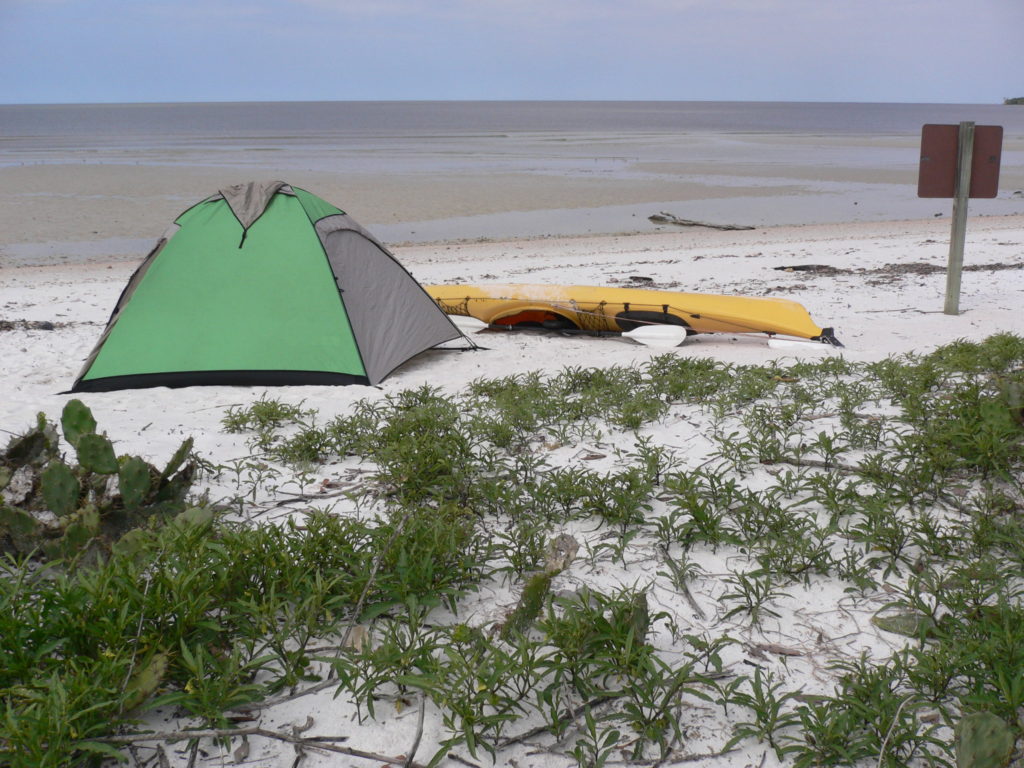
There are multiple camping options in Everglades National Park. The two main campgrounds are Long Pine Key in Royal Palm and the Flamingo Campground on the southern coast. Both campgrounds can be reserved here.
You can also backcountry camp in Everglades National Park’s unique wilderness. More information can be found here and in the Everglades Wilderness Trip Planner.
You have the option of three different types of sites: ground, beach, and chickees. The chickees are elevated platforms (sort of like boardwalks) along the waterways that provide dry areas to set up your tent.

Everglades National Park Hikes
For a park that is most famous for its swamps and waterways, there are a surprising number of hiking trails. For a complete list, we invite you to read our Everglades hiking guide. Below are some of the most popular hiking trails in Everglades National Park.
Flamingo
Coastal Prairie Trail

This unpaved trail follows a historic route once used by cotton pickers and fishermen. You’ll see open prairies and tons of plant life on the walk. There is a backcountry campsite at the end of the trail. Staying here requires a backcountry permit. Conditions can make the trail impassable, so be sure to check with park rangers before you head out.
Difficulty: Moderate
Start: Near the end of the C loop in the Flamingo Campground
Distance (roundtrip): 15 miles / 24 km
Eco Pond Trail
This freshwater pond is a hotspot for wading tropical birds. You may also see alligators and turtles. Parts of the trail have changed since 2005, when Hurricanes Katrina and Wilma caused significant damage.
Difficulty: Easy
Start: The right side of the Flamingo Visitor Center
Distance (roundtrip): 0.5 miles / 800 m
Royal Palm
Anhinga Trail
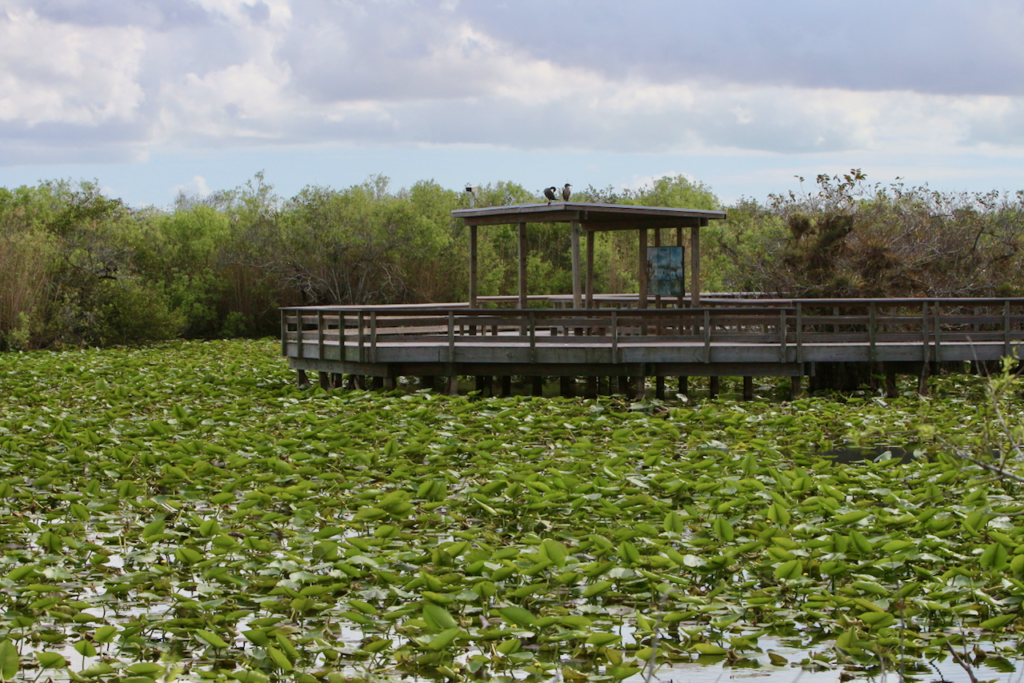
This trail is basically required if you hope to see alligators when you visit the Everglades. You’ll walk on a flat boardwalk over the swamp to see a variety of other animals, too.
Difficulty: Easy
Start: Royal Palm Visitor Center
Distance (roundtrip): 0.8 miles / 1,200 m
Gumbo Limbo Trail

This trail is a paved walkway through the Florida forest. You’ll get to see the gumbo limbo trees as you walk through this jungle-like habitat.
Difficulty: Easy
Start: Royal Palm Visitor Center
Distance (roundtrip): 0.4 miles / 600 m
Pahayokee Overlook

The Pahayokee Overlook is a raised platform over the “river of grass”. It provides sweeping vistas of the Everglades landscape.
Difficulty: Easy
Start: About 13 miles from the Ernest Cove Visitor Center along the main road.
Distance (roundtrip): 0.2 miles / 260 m
Shark Valley
Shark Valley Tram Road
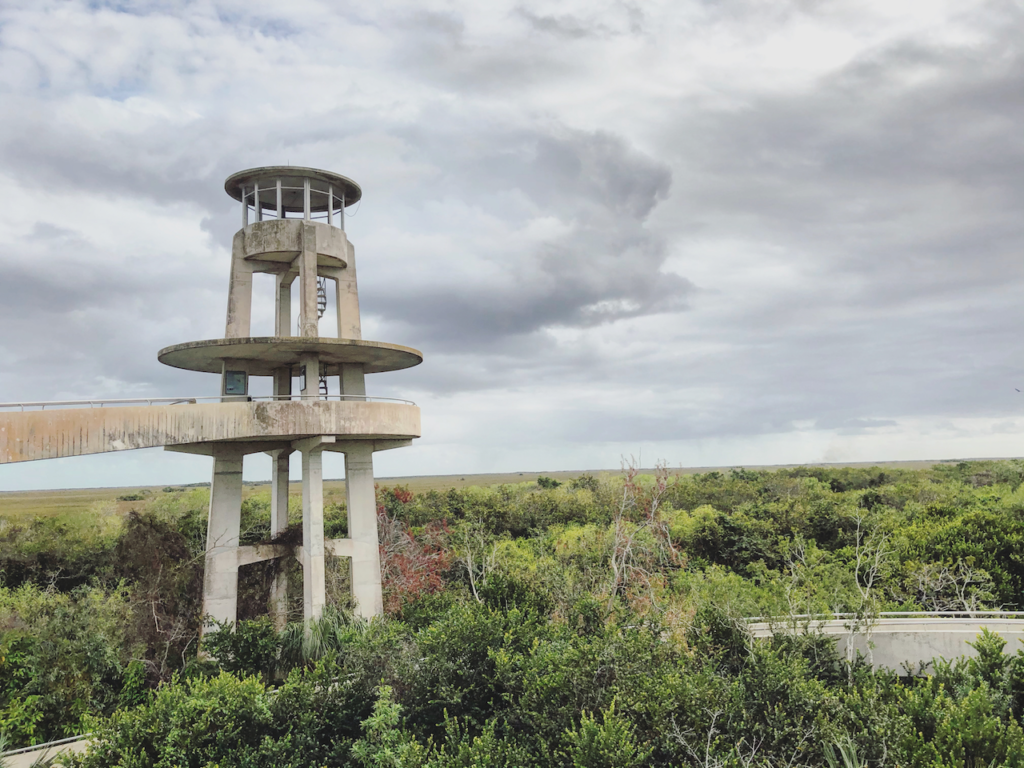
There are multiple options to see this trail: hike, bike, or ride the tram. Tram tickets and bike rentals charge a fee, but otherwise, this trail is free. It’s fully paved, mostly flat, and leads to the Shark Valley Observation Tower. Look for wildlife along the way.
Difficulty: Moderate
Start: Shark Valley Visitor Center
Distance (roundtrip): 15 miles / 24 km
Everglades National Park Scenic Drives

There are two main roads in the Everglades: the main road from Royal Palm to Flamingo and the Tamiami Trail (Highway 41) from Shark Valley to Everglades City. Both are very scenic. The Tamiami Trail also passes through Big Cypress National Preserve.
More Things to Do in Everglades National Park

- Take a boat tour in the Gulf Coast area for a chance to see dolphins and manatees.
- Attend a ranger program! Options vary from moonlight walks to all-day canoe trips.
- Bring your binoculars for some of the world’s best birdwatching opportunities.
- In addition to the Shark Valley Tram Road, you can also ride your bike along the Long Pine Key and Snake Bight trails.
- Looking for more? Read my top ten things to do in the Everglades!
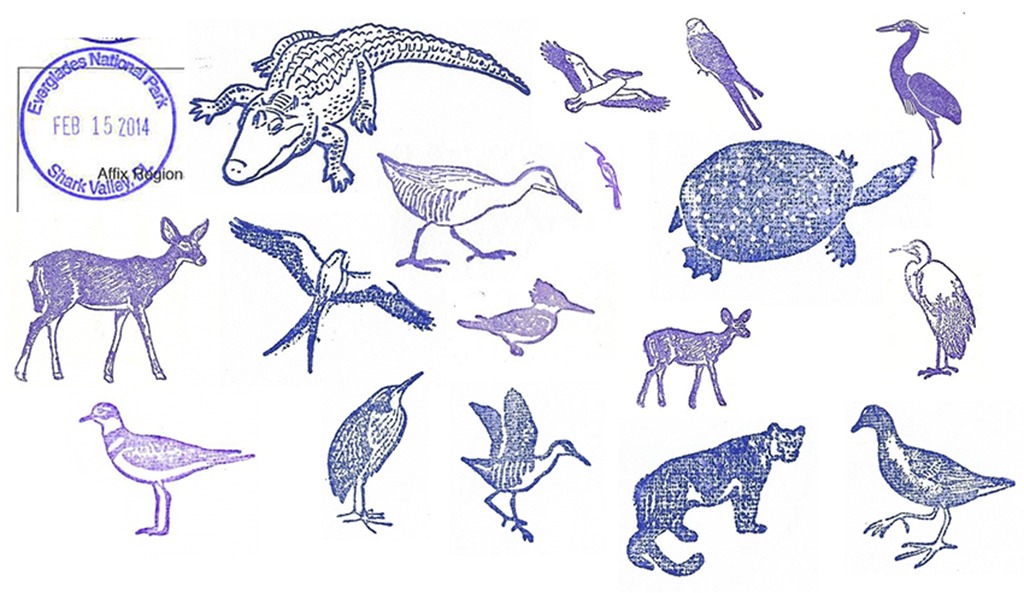
Where to Stamp Your National Parks Passport Book

Don’t have a national parks passport book? Purchase one here and start collecting your stamps! Or, buy your own notebook or stamp some postcards – the stamps are free for you to use on whatever you please.
NOTE: Do not stamp your country-issued passport with these! This could render them invalidated.
Ernest F. Coe Visitor Center

Flamingo Visitor Center
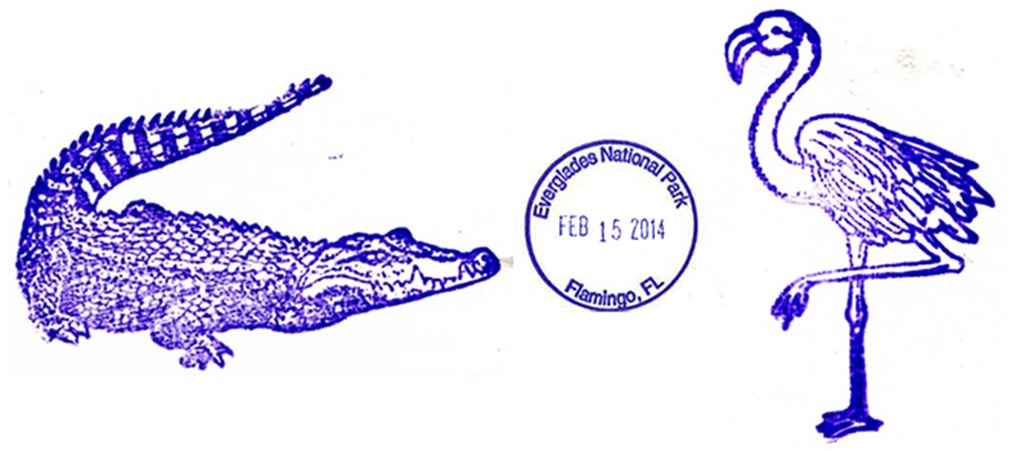
Gulf Coast Visitor Center
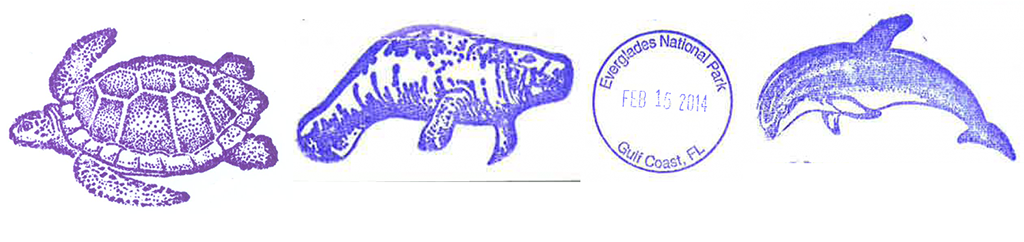
Royal Palm Visitor Center
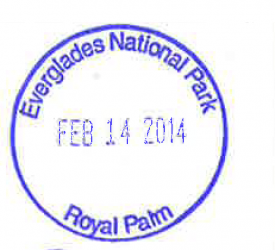
Shark Valley Visitor Center
What to Pack for Everglades National Park

Packing for a trip to the swamp can be tricky. Depending on the time of year, temperatures can range from over 80 degrees Fahrenheit during the day to 50 degrees once the sun goes down. If you’re visiting in the summer, it may rain every day. Here’s a list of things you may need, with some items varying based on the season you decide to visit.
- A reusable water bottle
- Moisture-wicking Layers: You’ll want short- and long-sleeve shirts to wear underneath your jacket. In the summer, you may also want a tank top. Choose polyester over cotton.
- Jacket: I always have a packable down with me on trips. I also love this new jacket I got a few months ago, as it’s very light yet warm. Synthetic is a good alternative to down if you’re worried about rain or snow.
- Hiking Pants or Shorts: My favorite hiking pants can be found here. As a taller woman, I also love Columbia’s pants because they offer long sizes.
- Hat: Depending on the season, you’ll need a winter hat or summer hat.
- Gloves or Mittens: Gloves are critical if you’re visiting in the winter.
- Wool Socks: Smartwool is my favorite brand for wool socks. Make sure to get wool so your feet stay warm and dry.
- Camera: I had my trusty Canon Rebel T5i, my Canon Powershot SX620, and a GoPro with me on my most recent trip to the Everglades.
- Tripod: If you’re hoping to take decent photos of sunsets or wildlife, I’d strongly recommend carrying a tripod with you.
- Hiking Boots and Sandals: I love my Keens, and will never choose another brand for my everyday boots. I always camp in Crocs because they’re comfortable and lightweight.
- Backpack: I recommend this simple North Face pack, but you may also want this water-resistant Patagonia pack if you’ll be doing a lot of water-based activities. Check out my post on the best daypacks for women for more options.
Every hiker should always carry the ten essentials with them. These include:
- Navigation systems: map, compass, and/or GPS
- Sun protection: sunscreen and/or ballcap
- Insulating layers: synthetic or down jacket, rain jacket, hat, gloves, and leggings
- Illumination (flashlight or headlamp)
- First-aid kit
- Something to light a fire: lighter, waterproof matches, and/or fire starter
- Repair kits and tools: pocket knife, duct tape, screwdriver, and/or scissors
- Emergency shelter: tent, bivy, tarp, and/or space blanket
- Nutrition: food for both meals and snacks
- Hydration: water bottle, water treatment (LifeStraw or SteriPen), and water
For Camping: The Basics
- Tent
- Tarp or ground cover
- Sleeping bag
- Sleeping pad
- Camp pillow
- Light source: flashlight, lantern, or headlamp
- Cook set, stove, utensil, and fuel
Everglades National Park Gear
When visiting someplace new, it’s always fun to read the guidebooks and become more acquainted with the area. Maps are handy, too. I also love to read more about its history. In the Everglades, you can’t visit without reading about Marjory Stoneman Douglas’s fight to save the river of grass.
- Trails Illustrated Map of Everglades National Park: This map is waterproof and provides a great overview of the park
- Falcon Guide to the Everglades: Great for learning about hiking, biking, and paddling opportunities
- Paddler’s Guide to Everglades National Park: Perfect if you plan to explore the park’s waterways
- Discover Florida: Lonely Planet’s quick guide to the Sunshine State
- Florida: A more detailed Lonely Planet guide
- USA’s National Parks: Another Lonely Planet guide focusing on our nation’s treasures
- The Everglades River of Grass: A book all about Marjory’s infamous love for the Everglades
- Nine Florida Stories: Another one written by Marjory Stoneman Douglas
- Marjory Stoneman Douglas Voice of the River: Have no idea who this Marjory is? This book is a good place to start.
For more of my recommendations, check out my post on my favorite outdoor gear.
Pin Visiting Everglades National Park: The Parks Expert Guide


Everglades National Park Phone Case

Everglades National Park Map

Everglades National Park Pennant

Fodor’s Guide to the 63 National Parks

Women’s National Parks Checklist T-Shirt

Women’s National Parks Checklist T-Shirt

Map of National Parks T-Shirt

Everglades National Park Sticker

Everglades National Park Pin

Everglades National Park Patch

63 National Parks Water Bottle

Everglades National Park Sticker

Everglades National Park Candle




Love,love Everglades National Park! It’s such a fun and unique experience. The Eco Pond Trail is my favorite. I also love that you included pictures of the stamps! We always make sure our boys get their National Park Passport Book stamped, so fun!
Heck yeah, those stamps are like gold!
What an incredibly comprehensive and informative post! I’ve been wanting to visit the Everglades for a long time. Now I’m really I’m really eager to visit. Thanks for the inspiration ☺️
Any time! Florida has some amazing places to see.