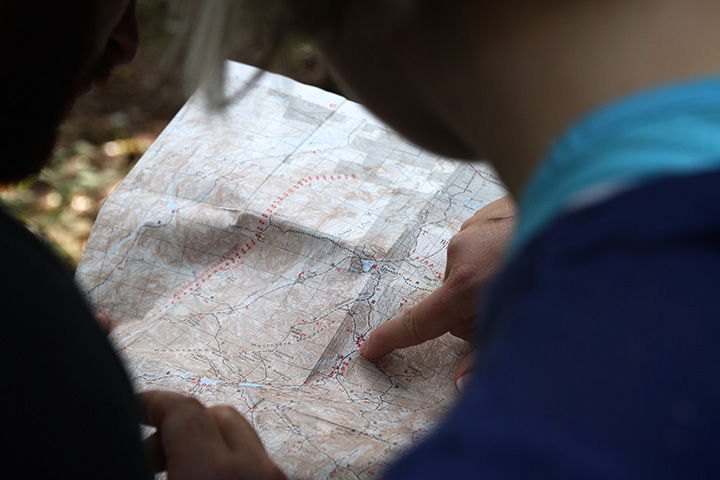
Article Summary: Hiking in Everglades National Park
If you’re looking for a beautiful and wild hike, look no further than Everglades National Park. This astounding place is also a World Heritage Site and International Biosphere Reserve, in case you need another reason to visit.
With so many exciting Everglades hikes to choose from, there’s something for everyone. From easy boardwalk trails to more challenging long-distance hikes, the Everglades will take your breath away.
This incredible national park is home to miles of hiking trails that will take you through swamps, mangroves, and coastal prairies. Wildlife enthusiasts will love spotting alligators and other creatures in their natural habitat, while coastal vistas provide postcard-perfect photo opportunities.
You’ll see all sorts of wildlife along the way, and if you’re lucky, you might even catch a glimpse of a manatee or the elusive Florida panther! In this post, we’ll tell you about our 18 favorite hikes in Everglades National Park.
This post may contain affiliate links. If you make a purchase, I may earn a small commission at no additional cost to you. For more information, view my privacy policy.
Table of Contents
Everglades National Park Overview
Location: Florida
Gateway Towns: Homestead and Everglades City
Best Airport: Miami International is the closest major airport, about one hour from the park’s Homestead entrance. Another option is Fort Lauderdale-Hollywood International.
Best Time to Visit: Fall, winter, and spring are the best seasons in the Everglades. Summer is the wettest time of year and coincides with hurricane season.
How to Get Around: You’ll need a vehicle to explore the park. There is no public transportation, and ride-share apps are not reliable.
Pets: While technically allowed in the park, pets are not allowed on any trails or tours.
Fee: It costs $35 per car, $25 per motorcycle, or $20 per pedestrian/cyclist to enter the park. Your entrance is valid for seven days.
Reservations: Reservations are not required to enter the park. They may be recommended for other activities, such as Shark Valley Tram Tours.
Where to Stay: Homestead has everything you need, such as restaurants and shops. There are also several options for camping in the Everglades.
Things to Know Before Visiting Everglades National Park

Entrance Fee
There is a fee to enter Everglades National Park. It’s $35 per vehicle, $30 per motorcycle, or $20 per person (on foot, by paddle-craft, or by bicycle). These permits are valid for seven days. There are also $70 Everglades annual passes available for purchase. You can purchase your pass online ahead of time.
In order to save money, I would recommend purchasing a national parks pass. These cost $80 and are valid for a full calendar year (from the date of purchase) at all public lands in the United States. After you visit 3 national parks, it’ll have paid for itself. It also makes a great gift for national park enthusiasts! Learn more about park entry fees.

Operating Hours
The park is open 24 hours a day, 365 days a year. However, some districts and visitor centers also have their own operating hours and seasons, which you can find updates on below (in our Everglades National Park overview) or by calling (305) 242-7700.

Pets
Pets are not permitted on unpaved roads or hiking trails in Everglades National Park. They are also not allowed on the Tram Road in Shark Valley.
You can bring leashed pets to any paved roadways, campgrounds, picnic areas, and private boats.
Emotional support animals and service animals in training are considered pets.
Service animals, however, may accompany their owners anywhere the park doesn’t have specific restrictions for your animal’s safety. NPS policy defines a service animal as a dog that has been individually trained to do work or perform tasks for the benefit of an individual with a disability, including a physical, sensory, psychiatric, intellectual, or other mental disability. The tasks performed by the animal must be directly related to the person’s disability.

Leave No Trace
When visiting our national parks and public lands, please practice Leave No Trace principles. Plan ahead, choose durable surfaces for camping or hiking, dispose of all waste properly, leave everything you find, minimize campfire impacts, respect wildlife, and be considerate of other park visitors.
In addition to the wide array of land trails in the park, you can also find an enormous number of canoe/kayak trails here. The same Leave No Trace guidelines still apply.

Cell Reception
Service is pretty spotty in the park, especially for anyone without AT&T service. Don’t depend on your mobile devices. Download all maps ahead of time (or bring a paper copy) and tell someone where you’re going.

When to Visit Everglades National Park
There are truly two seasons in the Everglades: the wet season and the dry season.
The wet season is considered to be from April to October. This also coincides with hurricane season, which is from June 1 to November 30. There are more biting insects in the park this time of year. This is the least popular time to visit the Everglades. Services are also limited as there are not as many park rangers employed during the summer months.
The dry season, from November to March, is the most common time to visit the Everglades. The week between Christmas and New Year’s Day is typically the busiest in the park, so plan ahead and make your reservations in advance if you wish to visit during the holiday season. In the winter, the weather is much more pleasant and the biting bugs are kept at bay. The park also offers more ranger-guided activities this time of year. Birdwatching is also at its best in the winter.
No matter when you visit, it’s important to start hiking in Everglades National Park early. This helps you avoid the heat, see the most wildlife, and (hopefully) explore before the bugs come out.

How Long Should I Spend in Everglades National Park?
In our opinion, this park deserves at least four days of your time, which is how we wrote our Everglades itinerary. It’s designed so that you spend one day in each district.
However, you could truly spend as much time here as you like. You can explore the Royal Palm area for just a half day or venture out on a canoe through the wilderness for over one week. Shark Valley is also perfect for a day trip from Miami. The choice is up to you!
Even if you’re not into hiking, there are plenty of other incredible things to do in Everglades National Park.

Overview of Everglades National Park
There are multiple entrances and districts in this large national park. We will divide up our favorite Everglades trails by difficulty later in this post, so it’s good to be familiar with where they’re located.
You can click on the map below to enlarge it and download it if you wish.

The Homestead gate is considered the main entrance to the park. You can access the Royal Palm/Pine Island and Flamingo districts here. Check hours for the Homestead (Ernest F. Coe Visitor Center) and Flamingo (Guy Bradley Visitor Center) on the official website. Homestead is also a large city with plenty of lodging and restaurant options. When visiting Flamingo, keep your eyes peeled for manatees or the American crocodile.
The Shark Valley entrance is open from 8:30 a.m. to 6 p.m. Despite the park being open for 24 hours, vehicles cannot access this district after 6 p.m. Check hours for the Shark Valley Visitor Center here.

Finally, the Gulf Coast district is on the west coast of Florida, accessed by the Tamiami Trail. There’s currently a temporary visitor center set up as the original one was significantly damaged in several hurricanes. Gulf Coast Visitor Center hours are available here. Trails here are almost exclusively for canoes/kayaks.
It’s also wise to check the weather and the park’s current conditions before you go. These can vary wildly depending on where in the Everglades you’re planning to visit.
You can check the weather for Royal Palm, Flamingo, Gulf Coast, or Shark Valley.
The Best Hikes in Everglades National Park

Here is a quick overview of the Everglades hiking trails we will cover in more detail as you continue reading.
Trails are listed in order of difficulty and distance.
Thankfully, no hikes in the Everglades have significant elevation change. In fact, most park elevations are listed in inches! The park’s highest point is a mere 8 feet (excluding the man-made features).

Everglades Trails in Pine Island/Royal Palm
- Pahayokee Overlook
- Gumbo Limbo Trail
- Pinelands Trail
- Mahogany Hammock Trail
- Anhinga Trail
- Long Pine Key Trail

Everglades National Park Hiking Trails in Flamingo
- Eco Pond Trail
- West Lake Trail
- Guy Bradley Trail
- Bayshore Loop Trail
- Bear Lake Trail
- Snake Bight Trail
- Christian Point Trail
- Rowdy Bend Trail
- Coastal Prairie Trail

Everglades Hikes in Shark Valley
- Bobcat Boardwalk Trail
- Otter Cave Hammock Trail
- Shark Valley Trail (Tram Road)
Pahayokee Overlook

Difficulty: Easy
Start: About 13 miles from the Ernest Cove Visitor Center along the main road.
Distance (roundtrip): 0.2 miles / 260 m
Wheelchair Accessible: Partially; there is a set of stairs in the middle of the boardwalk
Bikes Allowed: No
This is one of our favorite trails in Everglades National Park for the views. This boardwalk will lead you to a raised platform overlooking the famous “river of grass”, one of the park’s nicknames.
Gumbo Limbo Trail

Difficulty: Easy
Start: Royal Palm Visitor Center
Distance (roundtrip): 0.4 miles / 600 m
Wheelchair Accessible: Yes
Bikes Allowed: No
This short and easy paved hike is great for families with small children or those who want to take a quick stroll. It’s also shaded, a wonderful reprieve on a hot summer day – but remember, biting insects like shade, too! The trail is surrounded by gumbo limbo and royal palm trees.
Pinelands Trail

Difficulty: Easy
Start: 7 miles from the Homestead entrance of the park
Distance (roundtrip): 0.4 miles / 650 m
Wheelchair Accessible: Yes, with assistance
Bikes Allowed: No
This is another short and paved trail along the main road through Everglades National Park. Along the way, you’re treated to the diverse South Florida slash pine forest, a lush area of pines and subtropical plants.
Bobcat Boardwalk Trail

Difficulty: Easy
Start: Off the Tram Road behind the Shark Valley Visitor Center
Distance (roundtrip): 0.5 miles / 800 m
Wheelchair Accessible: Yes
Bikes Allowed: No
This boardwalk leads visitors to a forest of sawgrass and tropical hardwoods. It’s a nice little trail to walk if you’ve got time before your tram tour.
Eco Pond Trail

Difficulty: Easy
Start: About 3/4-mile from the Guy Bradley Visitor Center, near Flamingo Campground
Distance (roundtrip): 0.5 miles / 800 m
Wheelchair Accessible: No
Bikes Allowed: No
This trail leads to a freshwater pond that is extremely popular with a variety of birds. Lucky visitors may also spot alligators and Florida softshell turtles!
Mahogany Hammock Trail
Difficulty: Easy
Start: 20 miles from the main park entrance at Homestead
Distance (roundtrip): 0.5 miles / 800 m
Wheelchair Accessible: Yes
Bikes Allowed: No
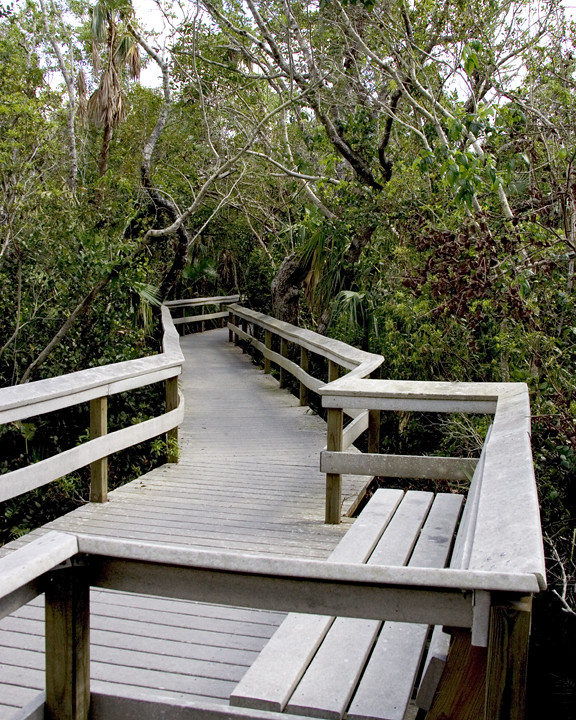
Another boardwalk trail, this one features the largest living mahogany tree in the United States. The dense forest you’ll walk through also includes gumbo limbo trees. Lucky visitors may spot Barred owls!
Otter Cave Hammock Trail

Difficulty: Easy
Start: Behind the Shark Valley Visitor Center, off the Tram Road
Distance (one-way): 0.25 miles / 400 m
Wheelchair Accessible: No
Bikes Allowed: No
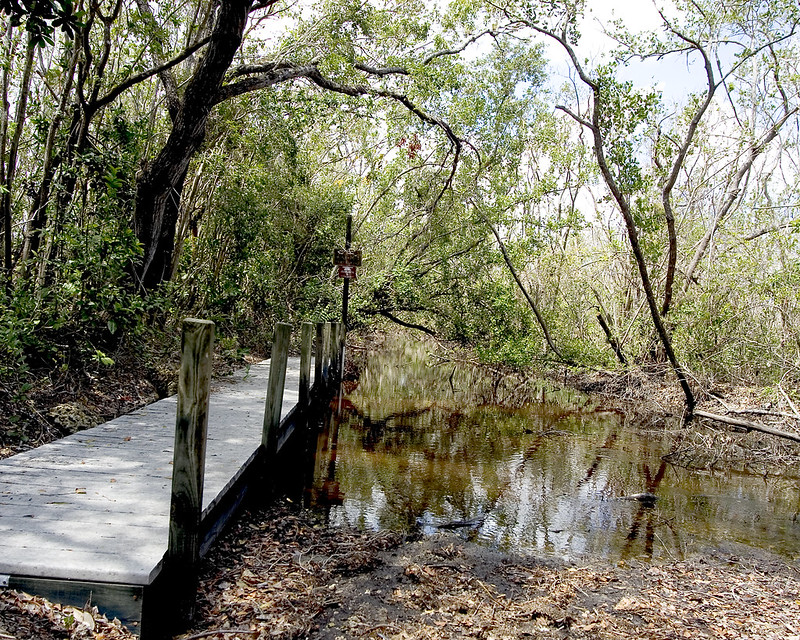
This trail is a bit rougher than its neighboring boardwalk trail with limestone paths. There are also several small footbridges over a stream.
In the summer, this trail can be flooded. Check with park rangers before hiking.
West Lake Trail

Difficulty: Easy
Start: 7 miles north of the Flamingo Visitor Center along the main road
Distance (roundtrip): 0.5 miles / 800 m
Wheelchair Accessible: Yes
Bikes Allowed: No
As you drive farther south, you’ll notice the surroundings begin to change. That’s also evident on this short trail through the mangroves. Many different mangrove species dot this boardwalk trail.
Anhinga Trail

Difficulty: Easy
Start: Royal Palm Visitor Center
Distance (roundtrip): 0.8 miles / 1,200 m
Wheelchair Accessible: Yes
Bikes Allowed: No
The Anhinga Trail is one of the most popular trails in Everglades National Park. It’s likely because it’s easy, it isn’t too long, and there’s an abundance of wildlife along the way. What’s not to like?
Guy Bradley Trail

Difficulty: Easy
Start: Guy Bradley Visitor Center or Flamingo Campground
Distance (one-way): 1 mile / 1.6 km
Wheelchair Accessible: Yes
Bikes Allowed: Yes
In addition to birds, this trail is known for being the home of many butterfly species. You’ll walk along the shore of the Florida Bay, so enjoy those coastal views. You’ll also see remnants of the old fishing village.
According to the National Park Service, “The trail was named for Audubon warden Guy Bradley, who was killed in 1905 while trying to protect a bird rookery in Florida Bay.”
Bayshore Loop Trail

Difficulty: Easy
Start: The Coastal Prairie Trailhead at the back of Loop C in the Flamingo Campground; veer left at the trail junction
Distance (roundtrip): 2 miles / 3.2 km
Wheelchair Accessible: No
Bikes Allowed: No
This trail takes visitors to the shores of Florida Bay where there was once a small fishing village.
Note: Due to the presence of the endangered Cape Sable thoroughwort, a small herb, this trail is not being maintained at this time. Hikers may proceed at their own risk.
Bear Lake Trail
Difficulty: Easy
Start: Bear Lake Road, 2 miles north of Guy Bradley Visitor Center
Distance (one-way): 1.6 miles / 2.6 km
Wheelchair Accessible: No
Bikes Allowed: No, but they are permitted on Bear Lake Road
This trail follows an old canal, making it ideal for spotting woodland birds. It’s also great for any hikers interested in plants; you’ll find over 50 species along the way.
The Bear Lake Road, used to access the trail, can close at any time due to flooding and road damage.
Note: Due to the presence of the endangered Cape Sable thoroughwort, a small herb, this trail is not being maintained at this time. Hikers may proceed at their own risk.
Snake Bight Trail

Difficulty: Easy
Start: 4 miles north of the Guy Bradley Visitor Center
Distance (one-way): 1.6 mi / 2.6 km
Wheelchair Accessible: No
Bikes Allowed: Yes (except for the boardwalk portion)
Don’t worry; hiking this trail doesn’t guarantee snake bites! A bight is actually a small bay within a larger bay. This trail is great for birding, especially at high tide at the boardwalk at the trail’s end. Visitors in search of the elusive flamingo have their best chance here at high tide.
Note: Due to the presence of the endangered Cape Sable thoroughwort, a small herb, this trail is not being maintained at this time. Hikers may proceed at their own risk.
Christian Point Trail

Difficulty: Easy
Start: 1 mile north of the Guy Bradley Visitor Center
Distance (one-way): 1.8 miles / 2.9 km
Wheelchair Accessible: No
Bikes Allowed: No
This trail leads to the Snake Bight and is best enjoyed at high tide. Otherwise, it’s a wonderful trail for botanists and plant lovers who will enjoy the wide variety of species seen along the path.
Note: Due to the presence of the endangered Cape Sable thoroughwort, a small herb, this trail is not being maintained at this time. Hikers may proceed at their own risk. Furthermore, this trail is often flooded! Check with park rangers for trail conditions.
Rowdy Bend Trail
Difficulty: Moderate
Start: 3 miles north of the Guy Bradley Visitor Center
Distance (one-way): 2.6 miles / 4.2 km
Wheelchair Accessible: No
Bikes Allowed: Yes
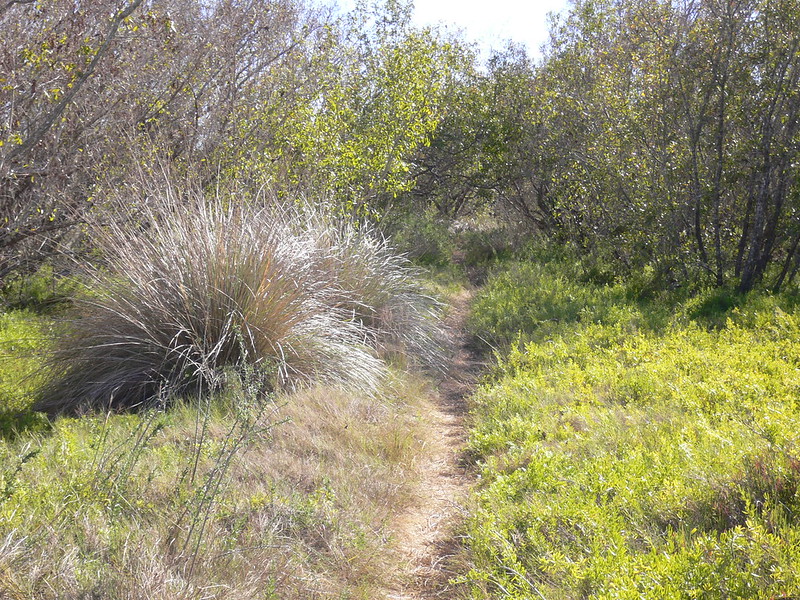
A great trail for birdwatchers, especially woodland birds. This trail is on an overgrown road bed and relatively shaded.
You can combine this trail with Snake Bight and the park road to form a 12.6-mile roundtrip biking loop from the Guy Bradley Visitor Center.
Note: Due to the presence of the endangered Cape Sable thoroughwort, a small herb, this trail is not being maintained at this time. Hikers may proceed at their own risk. Furthermore, this trail is often flooded! Check with park rangers for trail conditions.
Coastal Prairie Trail

Difficulty: Moderate
Start: Near the end of the C loop in the Flamingo Campground
Distance (roundtrip): 15 miles / 24 km
Wheelchair Accessible: No
Bikes Allowed: No
This old road serviced residents of the fishing village. It was also used by cotton pickers. You’ll walk through succulents and buttonwoods toward Florida Bay. There’s a surprising amount of shade! At the end of the trail is a backcountry camping site (permit required).
Note: Due to the presence of the endangered Cape Sable thoroughwort, a small herb, this trail is not being maintained at this time. Hikers may proceed at their own risk. Furthermore, this trail is often flooded! Check with park rangers for trail conditions.
Shark Valley Trail (Tram Road)

Difficulty: Moderate
Start: Shark Valley Visitor Center
Distance (roundtrip): 15 miles / 24 km
Wheelchair Accessible: Yes
Bikes Allowed: Yes
This is probably our favorite trail in Everglades National Park. There are many ways to see what is has to offer: you can hike, bike, or take a guided tram tour. If you didn’t bring your own bike, there are some available to rent.
The trail/road is flat and paved. Along the way, it’s common to see a variety of birds, turtles, and alligators. The last time we visited, there was a nest of baby alligators!
Halfway down the road is an observation tower allowing you to fully take in the immense Everglades landscape.
This path is not shaded, so be sure to bring plenty of water and sun protection.
Long Pine Key Trail
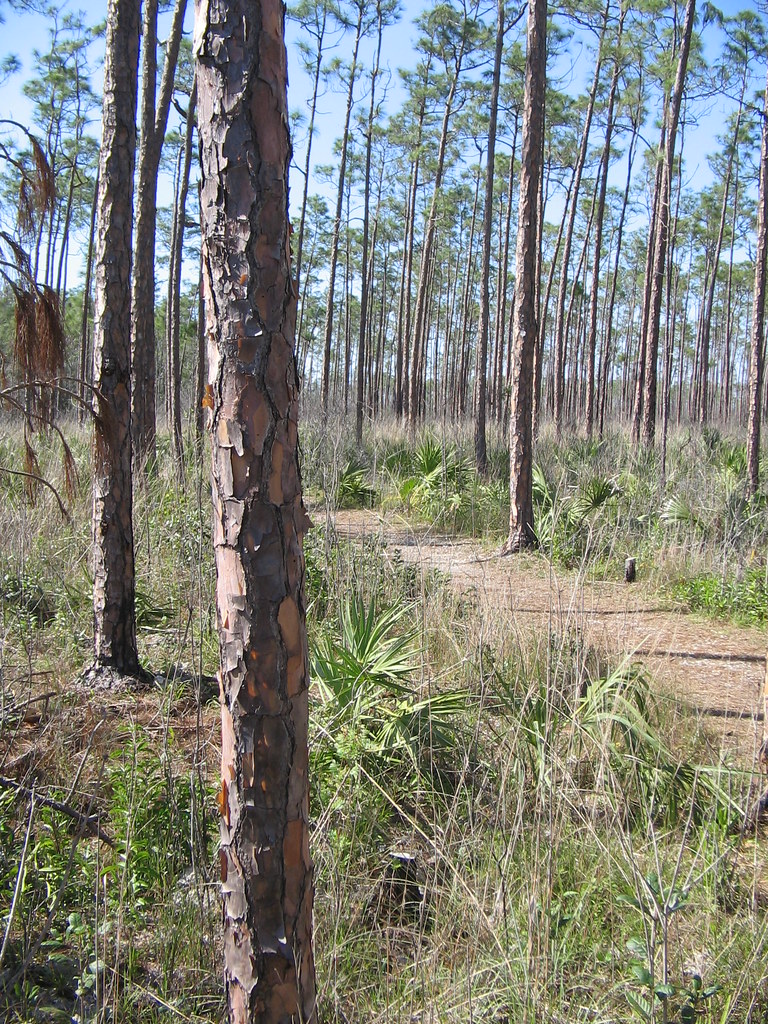
Difficulty: Moderate
Start: Long Pine Key Campground or Pine Glades Lake
Distance (roundtrip): 15.5 miles / 24.9 km
Wheelchair Accessible: No
Bikes Allowed: Yes
Due to this trail’s length, it’s one of the least popular hikes in Everglades National Park. I would strongly consider this one if you’d like to avoid crowds.
It also traverses several different habitats within the Everglades. These include pine rockland, prairie, and tropical hardwood hammock.
If you’re able to organize a ride or someone is willing to shuttle, you can cut the trail length in half. Alternatively, you can connect to other trails to form a 22.2-mile hike.
Note: Due to the presence of the endangered Florida leafwing and Bartram’s scrub hairstreak, two species of butterfly, this trail is not being maintained at this time. Hikers and cyclists may proceed at their own risk.
What to Pack for Your Everglades Hiking Trip

Finally, and we can’t stress this enough, pack wisely for this trip. By respecting this environment, you will in turn respect yourself. Keep yourself safe and comfortable to enjoy this national park to its fullest!
- Hiking boots: Shoes that are good for hiking and have ankle support.
- Sunscreen: The UV rays in national parks can be intense, even on cloudy days.
- Bug spray: There are a lot of bugs in the park, especially near water sources.
- Yaktrax: Helpful for snowy conditions.
- Rain gear: The weather can change quickly, no matter the time of year or location. Bring a raincoat and/or umbrella just in case!
- Layers: Temperatures can fluctuate a lot, so it’s best to dress in layers.
- Snacks: There are limited food options inside the park, so bring your own snacks!
- Camera: You’ll want to capture the beauty of your national park in photos!
- Water bottle: Stay hydrated while hiking around the park!
- Hat: You’ll need protection from the sun and bugs.
- Binoculars: Bring binoculars if you want to view wildlife in the park.
- First-aid kit: You never know if you might get a cut or scrape while hiking.
- Flashlight: This is helpful for late-night hikes and stargazing!
- Map: Bring a physical map for navigating the park.

- Trails Illustrated Map of Everglades National Park: This map is waterproof and provides a great overview of the park
- Falcon Guide to the Everglades: Great for learning about hiking, biking, and paddling opportunities
- Paddler’s Guide to Everglades National Park: Perfect if you plan to explore the park’s waterways
- Discover Florida: Lonely Planet’s quick guide to the Sunshine State
- Florida: A more detailed Lonely Planet guide
- USA’s National Parks: Another Lonely Planet guide focusing on our nation’s treasures
- Nine Florida Stories: Another one written by Marjory Stoneman Douglas
- The Everglades River of Grass: A book all about Marjory’s infamous love for the Everglades
- Marjory Stoneman Douglas Voice of the River: Have no idea who this Marjory is? This book is a good place to start.


Everglades National Park Phone Case

Everglades National Park Map

Everglades National Park Pennant

Fodor’s Guide to the 63 National Parks

Women’s National Parks Checklist T-Shirt

Women’s National Parks Checklist T-Shirt

Map of National Parks T-Shirt

Everglades National Park Sticker

Everglades National Park Pin

Everglades National Park Patch

63 National Parks Water Bottle

Everglades National Park Sticker

Everglades National Park Candle

Everglades National Park Scrapbooking Kit
Where to Stay Near Everglades National Park

Flamingo: Flamingo Lodge, Flamingo Campground, Flamingo Eco Tents, Houseboats
Homestead: Hampton Inn, Floridian Hotel, A-1 Budget Motel
Gulf Coast: River Wilderness Waterfront Villas, Everglades City Motel, Ivey House
Shark Valley: Miccosukee Resort, Best Western Plus, Holiday Inn, Courtyard, DoubleTree
Learn more about camping in Everglades National Park in our Everglades Camping Guide.
Pin Our Favorite Everglades Hikes

Have you ever been to Everglades National Park? What was your favorite part? Let us know in the comments below!