If you’ve ever visited the world’s first national park, you know Yellowstone National Park offers an abundance of opportunities for adventure. The park comprises over 2.2 million acres and sees an average of over four million people a year.
People travel to Yellowstone from around the world to marvel at the unique beauty of a terrain created by a supervolcano churning below the landscape. Steaming hydrothermal features are scattered throughout this one-of-a-kind ecosystem.
Though a majority of visitors come in the spring, summer, and fall, the park truly becomes a winter wonderland in the winter. Endless grassy valleys teeming with life and rolling mountains towering over the landscapes are transformed under a thick blanket of snow, transforming every acre of the park into an otherworldly place. Yellowstone in winter is an extraordinary experience, very different from what one would see in the other seasons.
Just as the park’s scenery changes drastically, so does the visitor experience, and planning/navigating a frozen Yellowstone in winter can be slightly confusing. Here’s a guide to help you understand the who, what, when, where, why, and how of Yellowstone National Park in winter, and to plan an unforgettable visit in the winter months.
This post may contain affiliate links. If you make a purchase, I may earn a small commission at no additional cost to you. For more information, view my privacy policy.
Table of Contents
Why Should I Visit Yellowstone in Winter?
If you have previously visited Yellowstone in the summer, you may think you have experienced Yellowstone National Park at its peak, and even seen the best of what the park has to offer. You couldn’t be more wrong.
Yellowstone is a place that changes every day, but those changes are most evident in the winter. The landscape, the adventure, the entire experience; everything in the park is transformed in the winter; it is not the same place that people visit in the summertime.
Simply put, the park is a completely different place within the different seasons, and Yellowstone in winter may just be the best, for innumerable reasons.
If you’re dead set on visiting in the busier season, check out our 4-day Yellowstone itinerary to help you plan.
When is the Winter Season in Yellowstone?

The winter season in Yellowstone varies from year to year, depending on the snowfall/snowpack, but generally runs from mid-December to early March. Road closures to prepare for winter operations in the park will happen well before the winter season itself begins.
The National Park Service posts updates on dates for road closures, as well as current road conditions, should challenges arise and conditions change. You can also call the park for a prerecorded message, and/or sign up to get text alerts about road conditions from the park (call (307-344-2117, or text “82190” to 888-777). Yellowstone also posts updates on their Facebook, Instagram, and Twitter pages, and are worth a follow for their other content as well.
The in-park hotel operations are subject to change with the park schedule. You can see the planned opening and closing dates for the Mammoth Hot Springs Hotel and the Old Faithful Snow Lodge on their pages. You can expect their opening and closings dates to be similar to the park: sometime in December to sometime in March.
What Can I Do During Winter in Yellowstone?
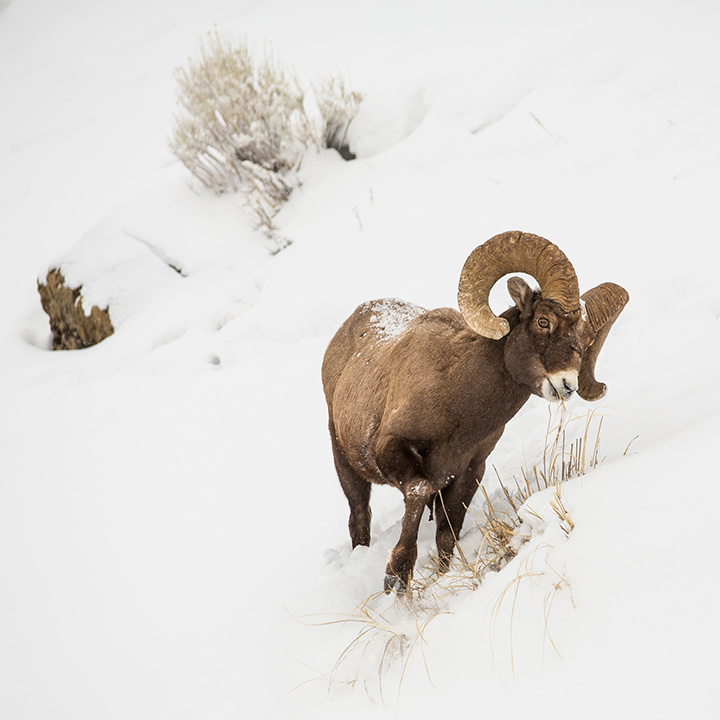
Short answer: so much! For all the road closures and limited access, it’s easy to assume there’s not much available to you should you visit during the winter, but the options can seem limitless.
Guided Tours

From guided walks through frigid geyser basins to finding the perfect setting for a photo, there is an activity for everyone. These tours are designed to bring visitors the best of what Yellowstone in winter has to offer.
Yellowstone National Park Lodges offers various tours for individual adventurers, or for groups from inside the park. Guides will take you through thermal areas at night, out to valleys in search of wildlife and photography opportunities, along skis or snowshoes excursions, and much more. Some tours are half-day, some last a full day; bring whatever supplies you may need with you, like water or snacks if they are not provided on your tour.
Yellowstone Forever, the nonprofit partner of Yellowstone National Park, offers its own list of winter adventures as well. There are also expedition packages that offer unique tours and interior lodging together for one rate. Yellowstone Forever’s tours offer an intimate experience to truly immerse yourself in the park.
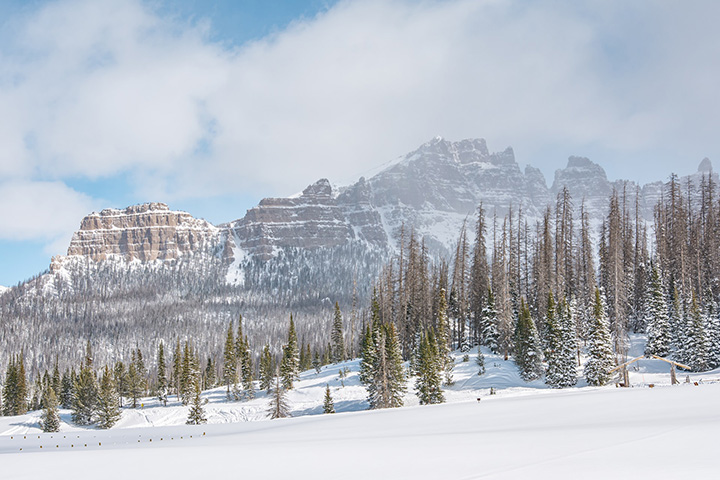
People can also sign up for tours from companies outside of the park as well. Guided snowmobile tours from West Yellowstone are extremely popular. Signing up with tours from the ski town of Jackson, Wyoming allows you to experience not only Yellowstone, but Grand Teton National Park as well.
Entering with a group from Cody, Wyoming offers you the chance to see one of the most scenic entrances to the park. Coming from West Yellowstone, Montana and Gardiner, Montana offers quick and easy access into the park, and the latter you can drive your own car in.

There are also free ranger programs in the Old Faithful area, no reservations are required. The rangers offer a Geysers Galore talk, typically before the midday eruption of Old Faithful, and an evening program (various topics) inside the Old Faithful Visitor Center.
Rangers stationed at warming huts you may stop in will occasionally offer popup programs, as well as answer questions. Their knowledge of Yellowstone and its resources is invaluable; take advantage of your time with them.
Snowshoeing and Cross-Country Skiing

Perhaps some of the most popular activities offered in Yellowstone in winter, cross-country skiing and snowshoeing are the best options for getting out into the elements and exploring.
Never skied but want to try it? The Old Faithful Snow Lodge and the Mammoth Hot Springs Hotel Bear Den Ski Shop offer lessons you can book in advance to help you get into the swing of things. They also offer rentals on their equipment at half- or full-day rates.
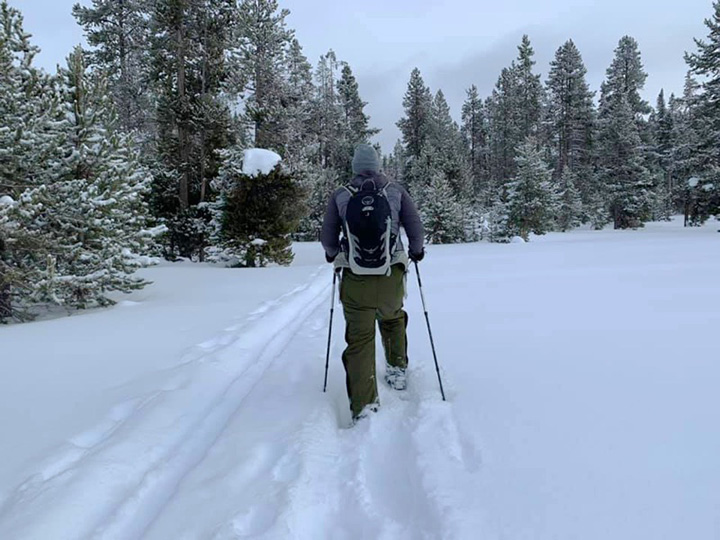
The Mammoth, Old Faithful, and Tower areas offer excellent ski trail opportunities for adventurers. You can also book guided snowshoe and ski trips to the Canyon area.
If you are snowshoeing, remember good etiquette! Do not walk along ski tracks, and those traveling uphill should always yield to those coming downhill. Always be aware of what conditions are before venturing out.
Geyser Gazing

Few experiences can compare to viewing the colors of a hot spring for the first time, or seeing a geyser roar to life showcasing the power of the supervolcano just several miles beneath the frozen surface. These thermals really come alive, especially in the Yellowstone winter, breaking through the snow and ice to put on a show.
Only several geysers in Yellowstone have predictable eruptions, most of which are in the Upper Geyser Basin, and the park rangers will keep the predictions as up-to-date as conditions permit. Visitors can register for tours to be brought to other geyser basins as well, such as West Thumb Geyser Basin, Fountain Flat, Biscuit Geyser Basin, and more. Some trails in basins are slick, so be sure to ask for some Yaktrax or microspikes for your boots.
Wildlife Watching
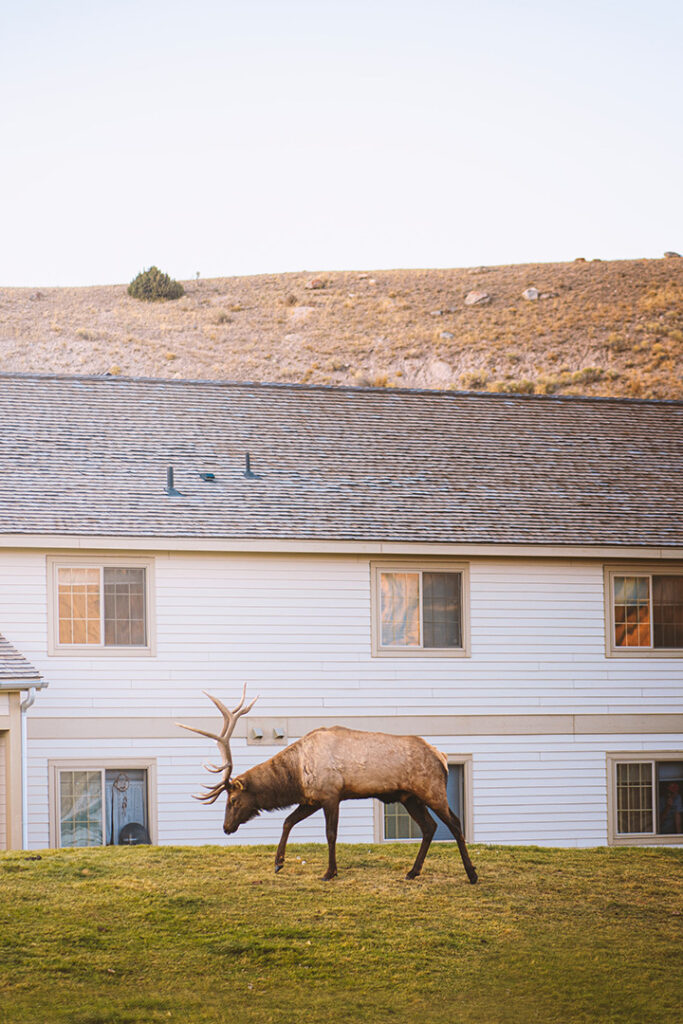
During the winter in Yellowstone, the animals behave much differently than one may observe in other seasons. You’re more likely to see wildlife in the winter season than you are in the summer, and watching them survive some of the harshest conditions on earth is a fascinating opportunity. Only the strongest survive Yellowstone in winter.
Wolf watching is especially favored, as the wolves, who are rarely seen in the summer, thrive in the winter, while bison, elk, and other wildlife struggle to make it through the frigid days. The rare opportunity to watch a pack of wolves hunt is a thrilling occurrence.
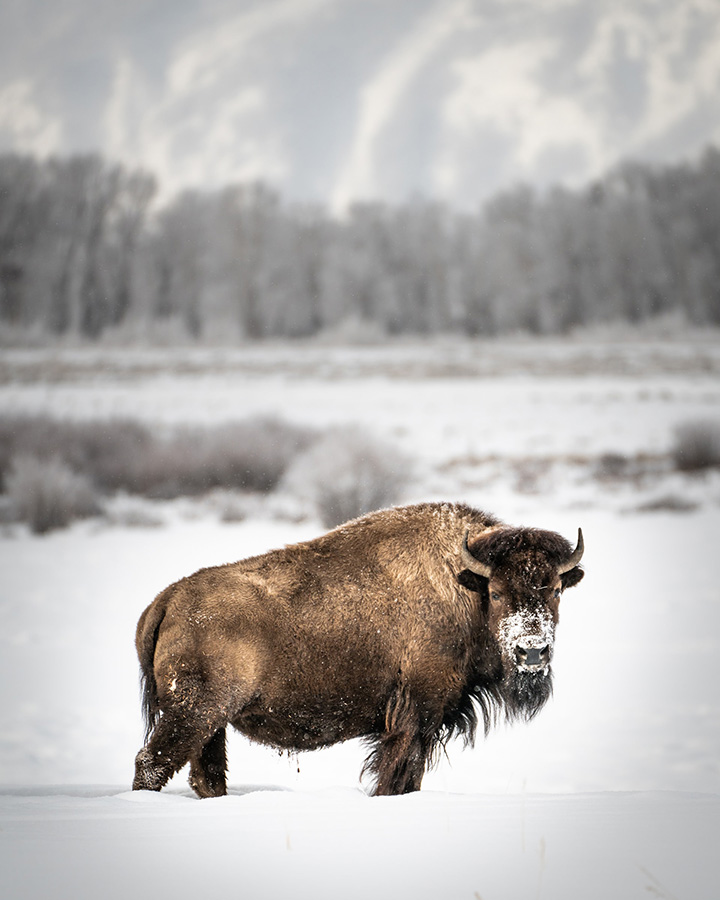
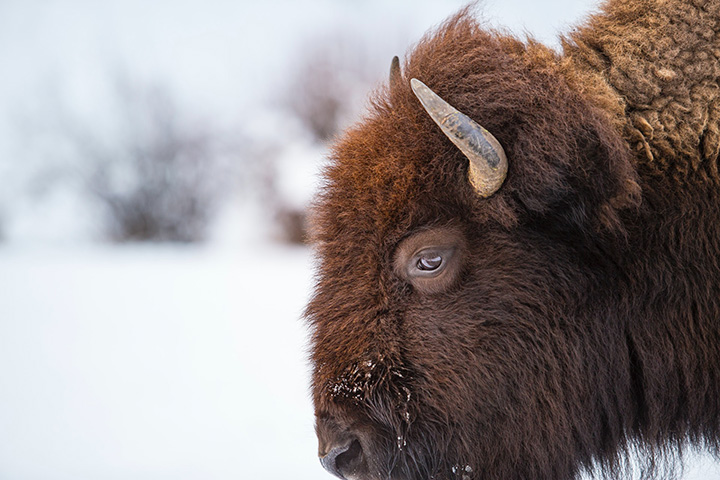
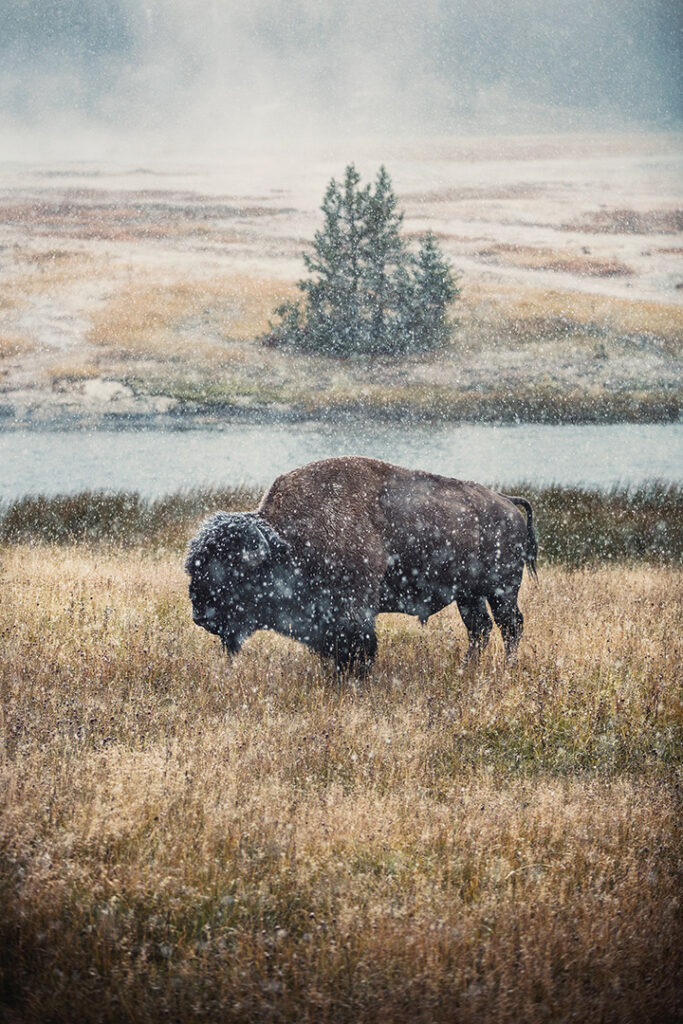
Some bison tend to congregate in geyser basins to keep warm and find exposed vegetation, while other herds tough out the below-freezing conditions in valleys, and use their massive heads to plow through thick snow to find grasses buried beneath.
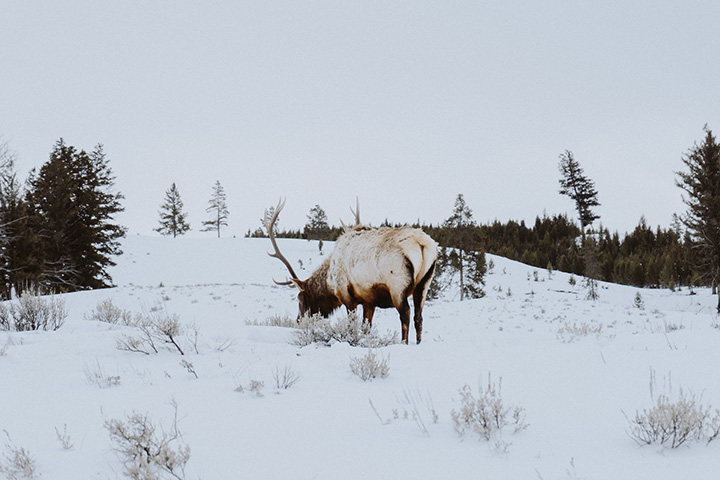
Otters dance and play in the snow, trumpeter swans dot the partially frozen rivers, and elk dominate the icy landscape and bugle to fill the silence of the land. Occasionally, you may even see a rare moose or two.
Hayden Valley, Madison Valley, and Lamar Valley are some of the premier places to spot animals in the winter in Yellowstone. Hayden Valley and Madison Valley are only accessible by over-snow travel, but Lamar Valley is accessible by car, conditions permitting. Be sure to bring some binoculars or a spotting scope for your stops to see wildlife from far away.
Some of the best wildlife watching in the world is in Yellowstone, and it happens in the winter.
Snowmobiling

Not just anyone can bring a snowmobile into Yellowstone; there are limits on how many can enter the park daily, and set rules to help protect the park and its visitors.
Signing up for a guided snowmobile tour may be the best course of action for most visitors. The main benefits are: it’s the best way to ensure you will get to snowmobile in the park, and you will have a guide to not only teach you about the park but to help in case something goes wrong.
The National Park Service offers a list of vendors in and around the park who offer authorized snowmobile and snowcoach tour opportunities.
Private Snowmobiling

For non-commercial private snowmobile access, it gets even more limited. Four non-commercially guided groups are allowed into the park daily with permits; that’s only one group (up to five snowmobiles per group) from the north, south, east, and west entrances. The permits run on a lottery system; applications are accepted on recreation.gov from August 1 – 31 and are awarded in September.
The application fee is $6. Should you win a permit, it can last from one to three days for $40 per day. Canceled or unclaimed permits are put up for first-come, first-served purchase and can happen throughout the winter months, so be sure to check the website frequently for any potential availability.
For more questions regarding this access program, call the park coordinator at 307-344-2165, or send an email.
How Do You Get to Yellowstone National Park in Winter?

If you’re expecting to be able to simply drive your car into Yellowstone in winter, you’re both right and wrong. The park closes almost the entirety of its road system, and a majority of the roads are packed down for over-snow travel only. To visit a majority of the interior, you must be escorted in by snowcoach or similar means.
The Northeast and North entrances are the only ones accessible by regular vehicle year-round. The road from Mammoth Hot Springs to the Northeast Entrance is plowed and open to regular vehicles to allow access to the towns of Cooke City/Silver Gate for its residents. You can’t drive past these towns, though, as the roads beyond, including the famous Beartooth Highway, remain closed throughout the winter, but you can drive through a good chunk of the park to get to them.
Visitors in the Mammoth Hot Springs area interested in visiting Old Faithful for a day can ride a snowcoach and explore the area on their own. The trips leave at 7:45 in the morning and depart at 1:45 in the afternoon, and include stops at several iconic Yellowstone locations like Fountain Paint Pots and Gibbon Falls.
The West, East, and South entrances to Yellowstone are open to visitors who are brought into the park via concessionaires. You can book transportation and/or tours from these entrance gateway towns; there are a plethora of options from each.
Where Can You Stay in Yellowstone During Winter?

Options for staying inside the park are much more limited in the winter versus the summer. Home to multiple hotels and cabins, Yellowstone’s lodging options expand to more than 2,000 rooms available in the park for the summer months, but shrink considerably during the winter season. Staying in the interior of Yellowstone will put you closest to the action, but staying outside of the park can be just as good.
Hotels Inside Yellowstone National Park Boundaries

Only one hotel in the interior of the park is open: the Old Faithful Snow Lodge and cabins. The Snow Lodge lives alongside hundreds of thermal features in the upper geyser basin, and the most famous geyser in the world: Old Faithful. The hotel offers these notable amenities: a gift shop, a ski/snowshoe rental shop, two restaurants, WiFi, quick access to the Upper Geyser Basin, and more. Eating options include the Geyser Grill for quick lunch choices, or Obsidian Dining Room and Firehole Longue for breakfast, lunch, and dinner. There’s even an ice-skating area, with free skate rentals at the Lodge front desk.

The Mammoth Hot Springs Hotel resides in the shadow of the Mammoth Hot Spring terraces, and the historic Fort Yellowstone area. It offers the same amenities as the Snow Lodge, like the gift shop and ski shop for rentals. The famous map room offers an espresso bar and lounge, while Mammoth Dining Room is next to the hotel. The Mammoth Visitor Center is also across the street. Elk frequent the area, so be mindful and keep your distance.
Reservations for the Mammoth Hot Springs Hotel, or the Old Faithful Snow Lodge, can be made through Yellowstone National Park Lodges.
Outside Yellowstone National Park
Staying outside of the park is an option as well. Cody, Wyoming, Jackson, Wyoming, West Yellowstone, Montana, Gardiner, Montana, and Cooke City-Silver Gate are Yellowstone’s gateway towns, though the latter offers very limited services during the winter.
The National Park Service lists towns within 200 miles of the park, though staying as close to the park as you can, or inside the park, may provide a better experience.
Find a place to stay on Booking.com!
Camping in Yellowstone in Winter

Mammoth Campground is the only campground open year-round in Yellowstone. Reservations for campsites are only required during the summer and fall seasons; you can secure sites through first-come, first-served during the winter. If you are planning to camp here in the winter, prepare accordingly with proper gear. At 6,200 ft (1890 m) elevation, this campground often sees temperatures well below freezing. There is no camp store, but this campground offers easy access to the services available in Mammoth Hot Springs.
Backcountry camping in Yellowstone in winter is also an option, but not for the faint of heart. Backcountry campsites are open to groups of up to 12 people, and permits are required. Permits must be reserved at least 3–7 days in advance of the dates, and made through the Central Backcountry Office. The office can be also reached by phone at 307-344-2160.
Who is in Yellowstone in the Winter?
Very few people. For all Yellowstone’s fame, and all its enormous crowds in the summer, they’re nonexistent in the winter. For some, the lack of crowds is the top reason they prefer to visit Yellowstone in winter. The winter isolation offers a unique peace in visiting the park.
The National Park Service is constantly present in the park, though their numbers shrink considerably outside of the summer. The front-facing rangers that are in Yellowstone during winter operate a series of warming huts throughout points in the park to accommodate park visitors, answer questions, and help in whatever ways they can. Emergency services are also available in the park if needed.
Other Tips for Winter in Yellowstone National Park
Winter Weather
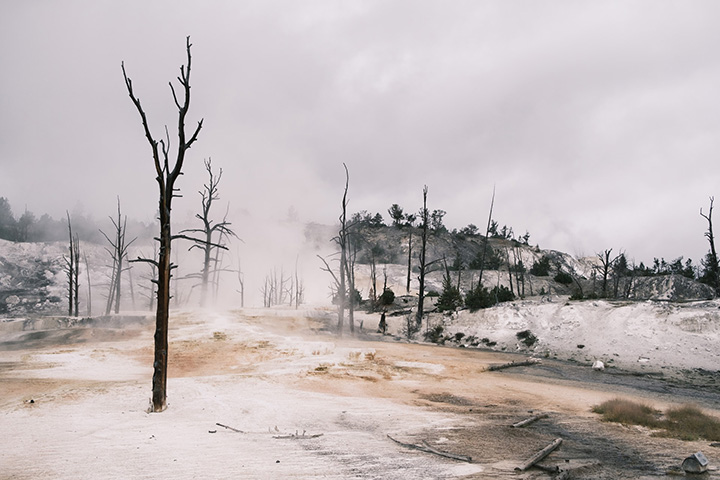
Weather in Yellowstone is unpredictable year-round and can be dangerous in the winter. The best thing you can do is to know what the predicted forecast is before setting out, and ensuring you have sufficient gear to keep yourself safe should you encounter a sudden change in the climate.
It should serve as no surprise that winter in the Rocky Mountains is cold. The average nightly low in Yellowstone is -40 degrees, and the daytime temperatures can range from 0 – 30 (-18 – -1 C), so be sure to bring the proper clothing you need to stay warm.
What to Pack

Dressing in layers is advised, with a base layer (thermal shirt), an insulation layer (down jacket), and a sturdy outer layer (parka). Snow pants are good to keep your legs warm, and gaiters add an extra layer of protection for keeping snow out of your boots. Be prepared with good snow boots, don’t use cotton socks, sturdy hats to keep your ears covered, and gloves.
In order to save money, I would recommend purchasing a national parks pass. These cost $80 and are valid for a full calendar year (from the date of purchase) at all public lands in the United States. After you visit 3 national parks, it’ll have paid for itself. It also makes a great gift for national park enthusiasts! Learn more about park entry fees.
Know what services are available and where you can go if you need to seek shelter. Carrying a park map with you and knowing it well is recommended; maps are also available at visitor centers.
Sunscreen is a must-have on your trip. When the sunlight shows off in the snowscape, the snow sparkles beautifully, but can also reflect onto your exposed skin.

Yellowstone National Park Phone Case

Yellowstone National Park Phone Case

Yellowstone National Park Map

Yellowstone National Park Pennant

Fodor’s Guide to the 63 National Parks

Fodor’s Guide to Yellowstone and Grand Teton

Women’s National Parks Checklist T-Shirt

Women’s National Parks Checklist T-Shirt

Map of National Parks T-Shirt

Yellowstone National Park Sticker

Yellowstone National Park Pin

63 National Parks Water Bottle

Yellowstone Hiking Guidebook

Yellowstone Ornament

Yellowstone National Park Sticker

Yellowstone National Park Candle

Yellowstone National Park Scrapbooking Stickers

Yellowstone Cross Stitch Kit

Yellowstone and Grand Teton National Parks Map
Driving in Winter
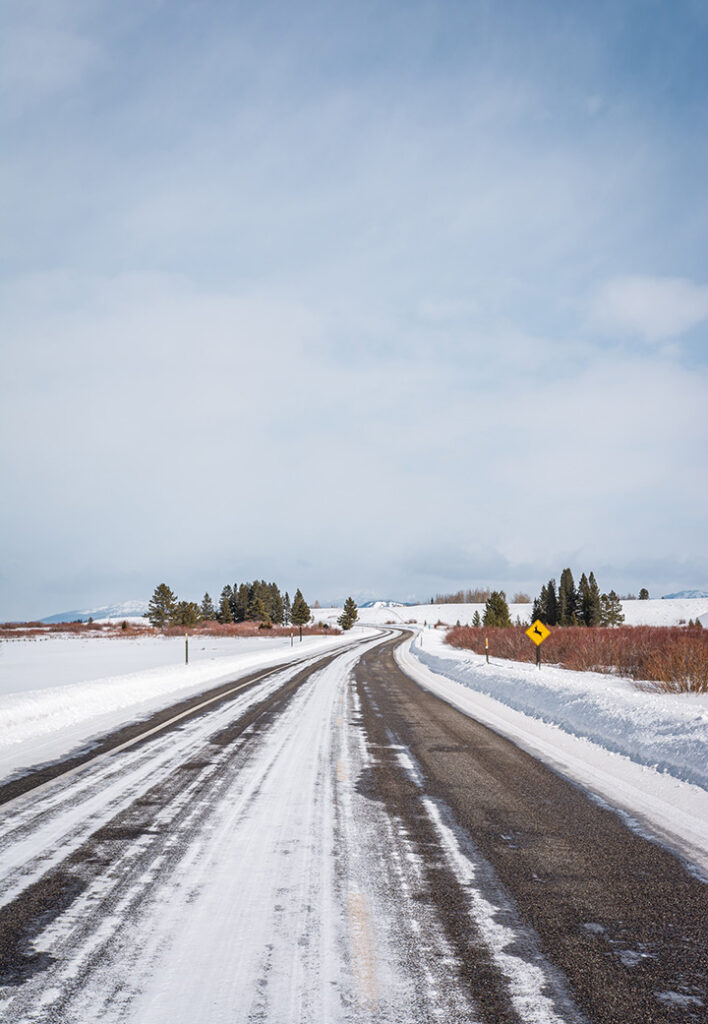
If you choose to drive into Yellowstone from the North and enjoy the scenic Lamar Valley, be prepared with snow chains. As previously stated, the weather can change in an instant, and being prepared for any conditions can be the difference between a pleasant day and a dangerous situation.
Tips for Families

Have children traveling with you? Get them a winter Junior Ranger Program from the Albright or Old Faithful Visitor Centers. The Junior Ranger Program, just like the park itself, changes in the winter, as does the patch the Junior Rangers can earn.
Enjoy the Solitude

Stop and listen! Like many parks, Yellowstone not only protects the natural setting, but is an incredible natural soundscape unlike anywhere else on earth. In the summer, the crowds can become so immense, it can be difficult to hear the ferocity of a geyser eruption. In the stillness of winter, you can hear just how loud Old Faithful truly is, the gurgling of a mud pot, the distant howling of wolves, or experience a moment of true silence in the wilderness.
Pin Our Guide to Visiting Yellowstone in the Winter
Yellowstone has been called a “wonderland” many times throughout history, and the winter truly demonstrates why. It is a magical place to visit at any time of the year, but the wintertime is extra special. Be sure you are prepared for whatever Yellowstone in winter can throw at you, and enjoy an experience that very few people get to have.